1. Pick Dekton for a hard-working cook zone
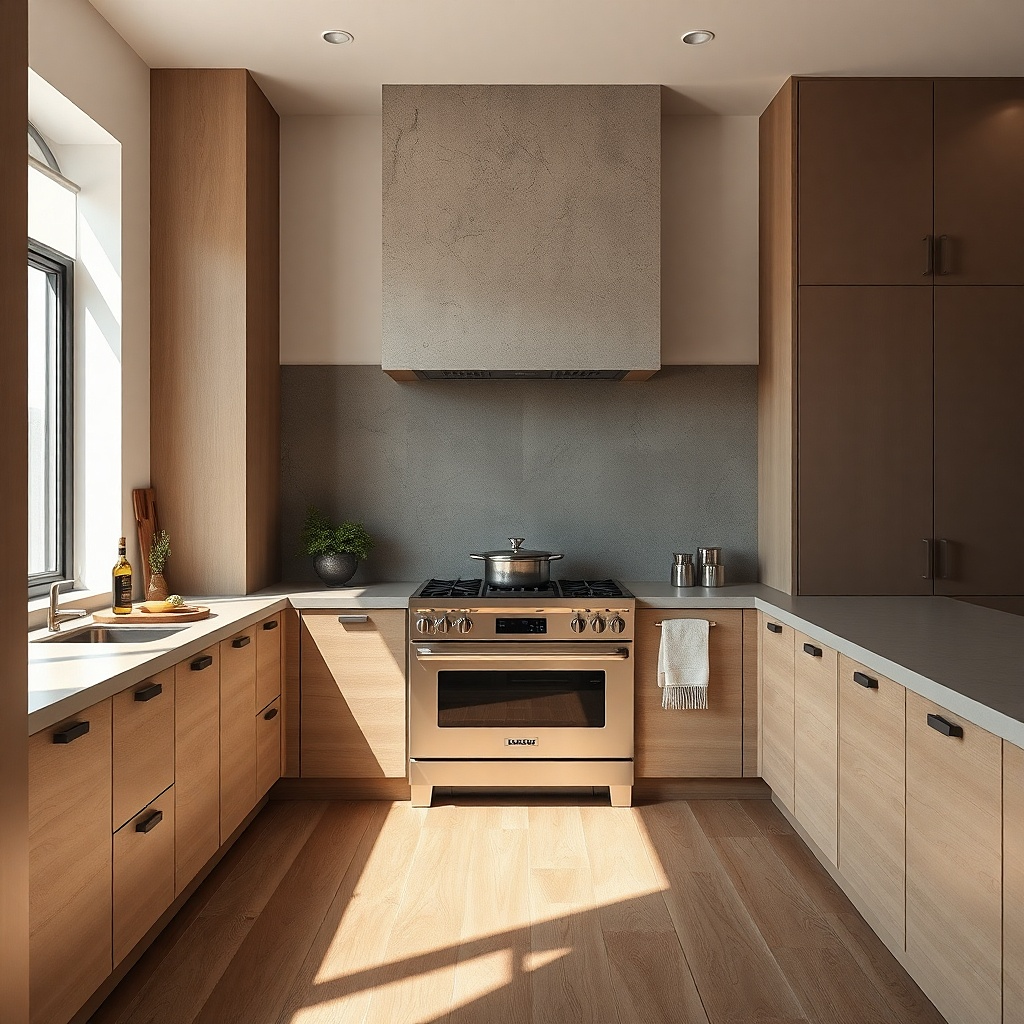
If your kitchen runs hot all year, Dekton is the better countertop. It takes direct heat far better than quartz, so a stockpot near the range or a sheet pan set down for a minute is less likely to leave a permanent mark. It also shrugs off strong sun, which matters in kitchens with skylights, sliding doors, or west-facing windows that bake the counter every afternoon. This is the right pick for serious weeknight cooking, baking marathons, and households that do not want to baby a work surface.
Start by mapping the danger zones — 18 to 24 inches on either side of the range, the landing area near the oven, and any counter under direct sun for more than a couple of hours a day. Then ask for Dekton in a 12 mm or 20 mm slab for those sections, with a simple eased edge because sharp decorative edges are not where this material looks best. Finally, confirm that the fabricator will reinforce sink and cooktop cutouts and use a clean radius at inside corners. Expect installed pricing around $80 to $150 per square foot depending on color, thickness, and your market.
If the budget is tight, use Dekton on the perimeter near heat and sun, then save the island for a less expensive material only if the slab tones truly match.
Do not choose Dekton just for toughness if your fabricator has little experience with it.
2. Pick quartz for a calmer family kitchen
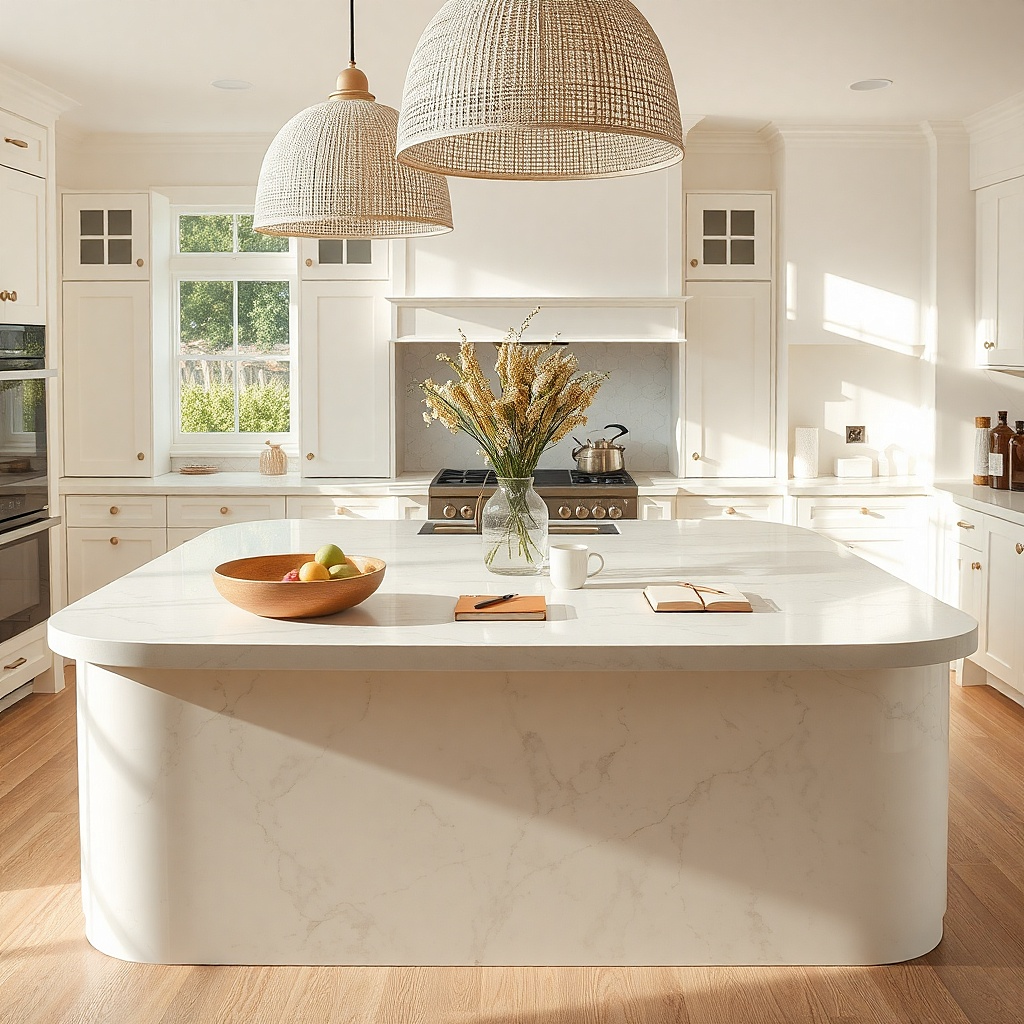
Quartz is the better buy for kitchens where the counter gets constant use but not constant heat abuse. It is non-porous, easy to wipe down after juice, coffee, pasta sauce, and oil splatter, and it has a friendlier visual feel than Dekton in many cabinet styles. The pattern range is huge, from soft off-whites with faint veining to sandy greige with tiny movement that hides crumbs. This is the material to choose when you want a kitchen that looks polished without feeling severe.
Start with a mid-tone or warm white quartz instead of bright paper-white if your kitchen has children, pets, or heavy breakfast traffic. Then pair it with a 2 cm slab and a built-up edge if you want the look of thickness without paying for a full thicker slab. Finally, place trivets near the range and coffee station because quartz handles daily wear well but does not like direct heat from pans or countertop appliances that run hot underneath. Installed cost lands around $60 to $120 per square foot in many markets.
A subtle grain or light cloudy movement hides smudges far better than a flat solid white quartz.
Skip quartz in a kitchen with long hours of direct harsh sun across the same stretch of counter.
3. Use Dekton in sunny kitchens with big windows
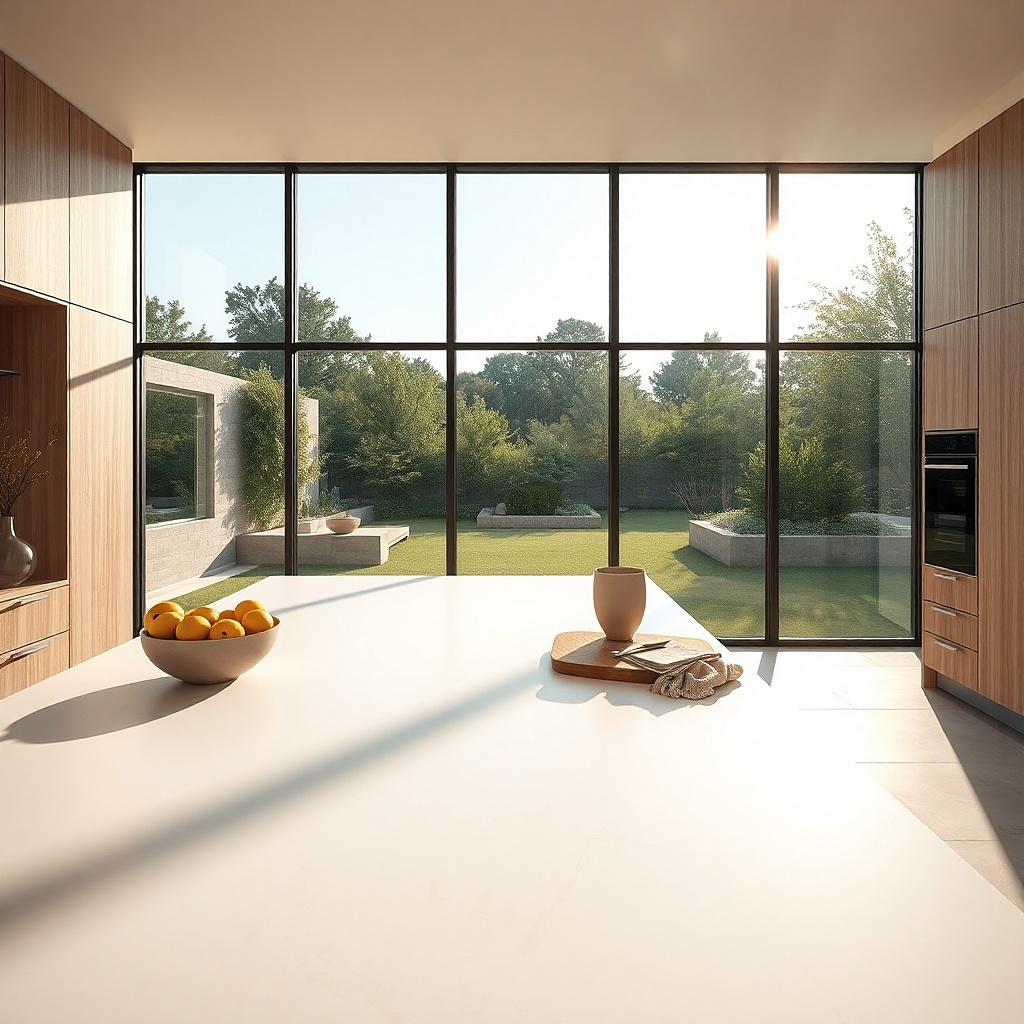
Sun exposure is where the gap gets obvious. Dekton keeps its color in direct UV, while quartz can yellow or shift over time in the brightest spots because of the resin content. In a kitchen with a wall of glass, clerestory windows, or a breakfast area that gets strong summer light, Dekton is the safer surface. It also keeps a cleaner look in pale colors because you are not worrying about one sunny patch aging differently from the rest of the slab.
Try thisPair pale Dekton with a low-sheen backsplash tile so the room stays bright without looking stark.
Start by checking where sunlight lands at noon and again around 4 p.m. During the brightest season in your area. Then use Dekton on any run that gets repeated direct light, especially between window mullions where heat concentrates. Finally, choose a matte finish over high polish in those zones because matte hides glare and fingerprints better in bright rooms. This choice costs more upfront, but replacing or living with uneven discoloration costs more in annoyance.
Common mistakeDo not let a salesperson wave off UV exposure if your counters sit in direct sun every day.
4. Choose quartz if you want softer pattern and warmer depth
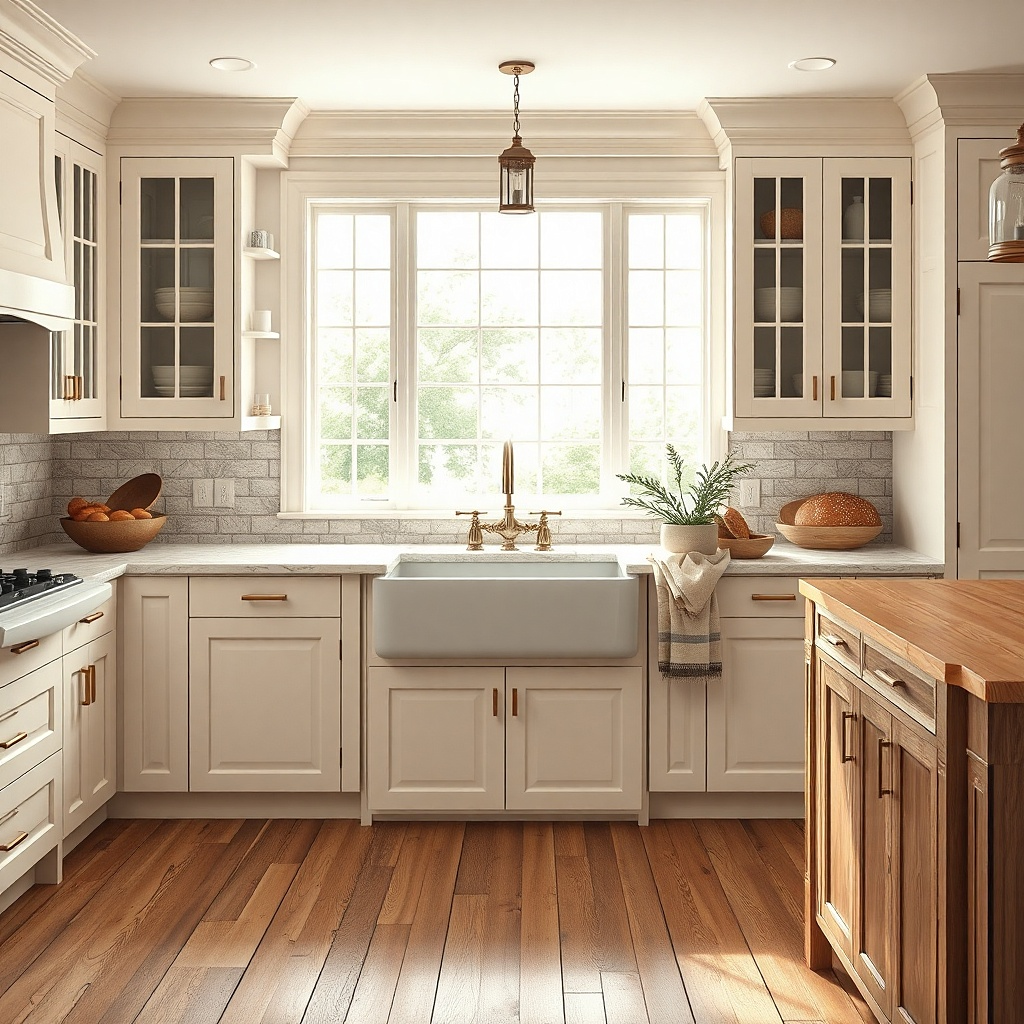
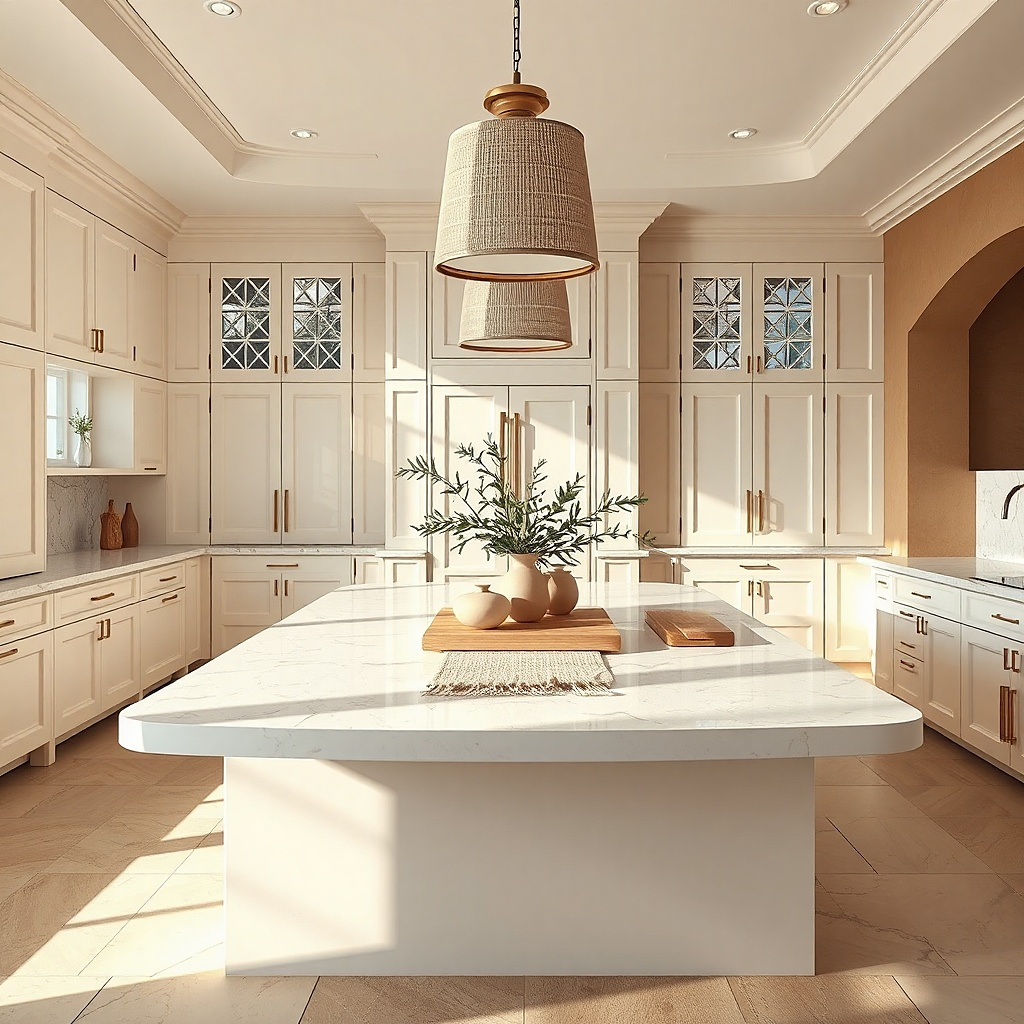
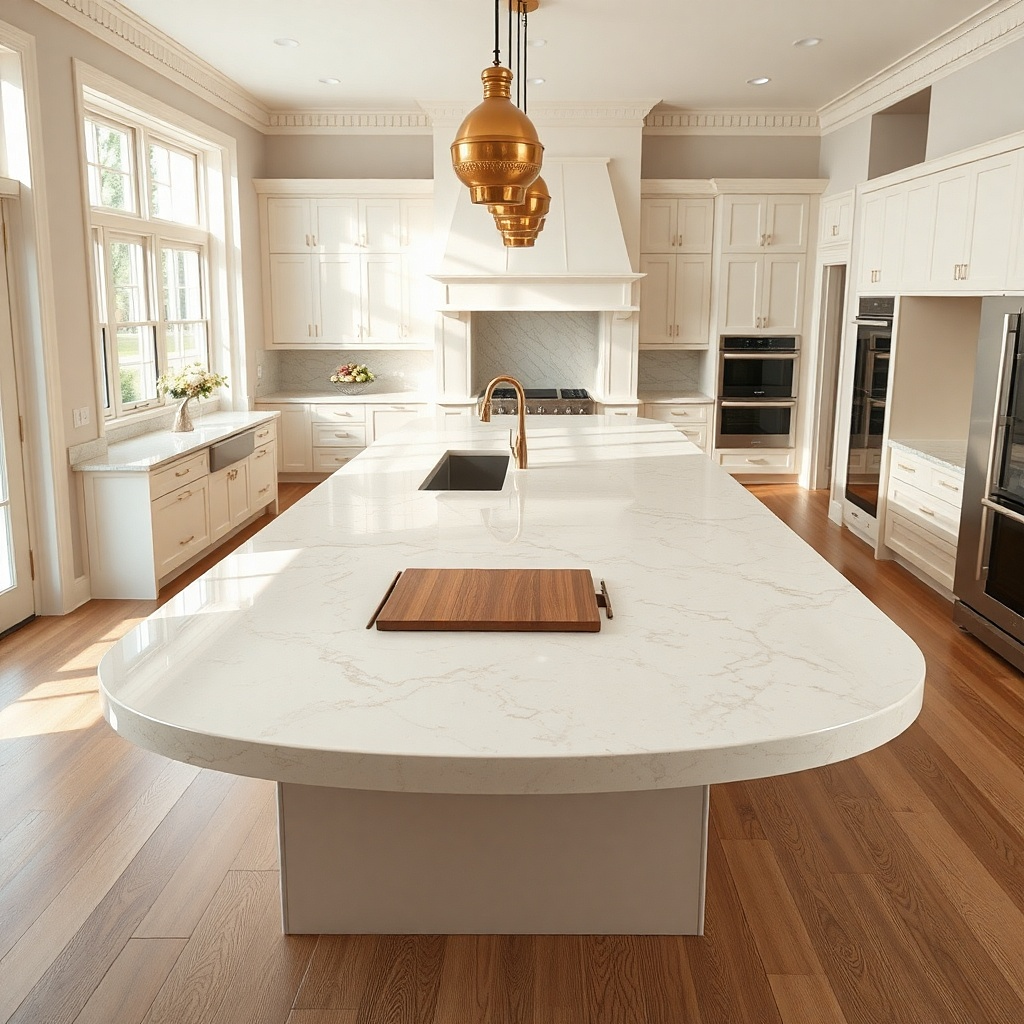
Quartz has a more forgiving visual softness than Dekton, especially in marble-look designs. The veining can read calmer and less printed, and the body color often has a slight warmth that works with cream cabinets, oak floors, and unlacquered brass. Dekton has strong color options, but many slabs look flatter or more graphic. If your kitchen leans traditional, transitional, or English-inspired, quartz fits the mood better.
Try thisWarm whites with a touch of beige sit better beside natural oak than icy white slabs with blue-grey veining.
Start with cabinet and flooring samples in hand and compare them under warm and cool light, not just under showroom LEDs. Then choose quartz with low-contrast veining if you want the counter to support the room instead of dominating it. Finally, ask for a full slab view before signing off because small samples hide pattern repeats and exaggerated movement. The right quartz should look steady across a 6 to 8 foot run, not busy and chopped up.
Common mistakeSkip bold fake-marble quartz if your kitchen already has a patterned backsplash or dramatic floor tile.
5. Choose Dekton for thin modern profiles and waterfall ends
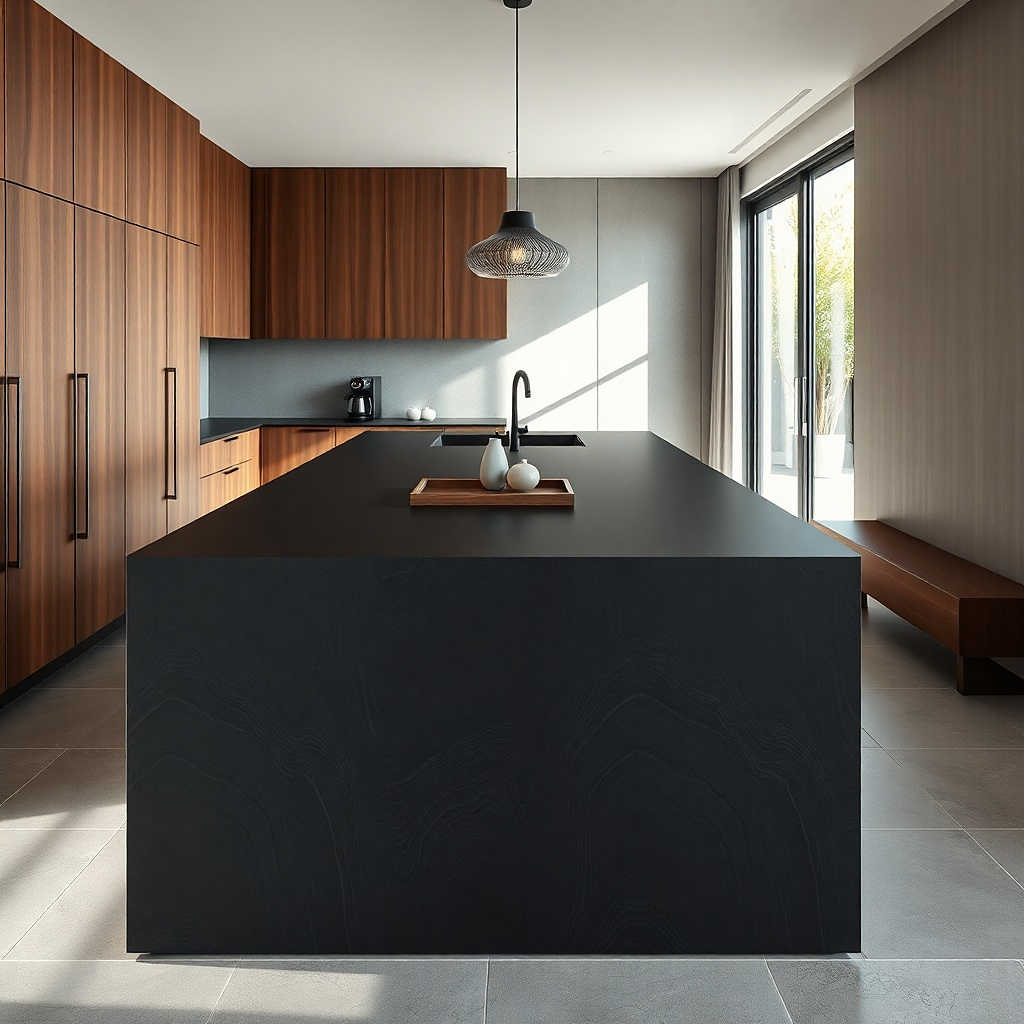
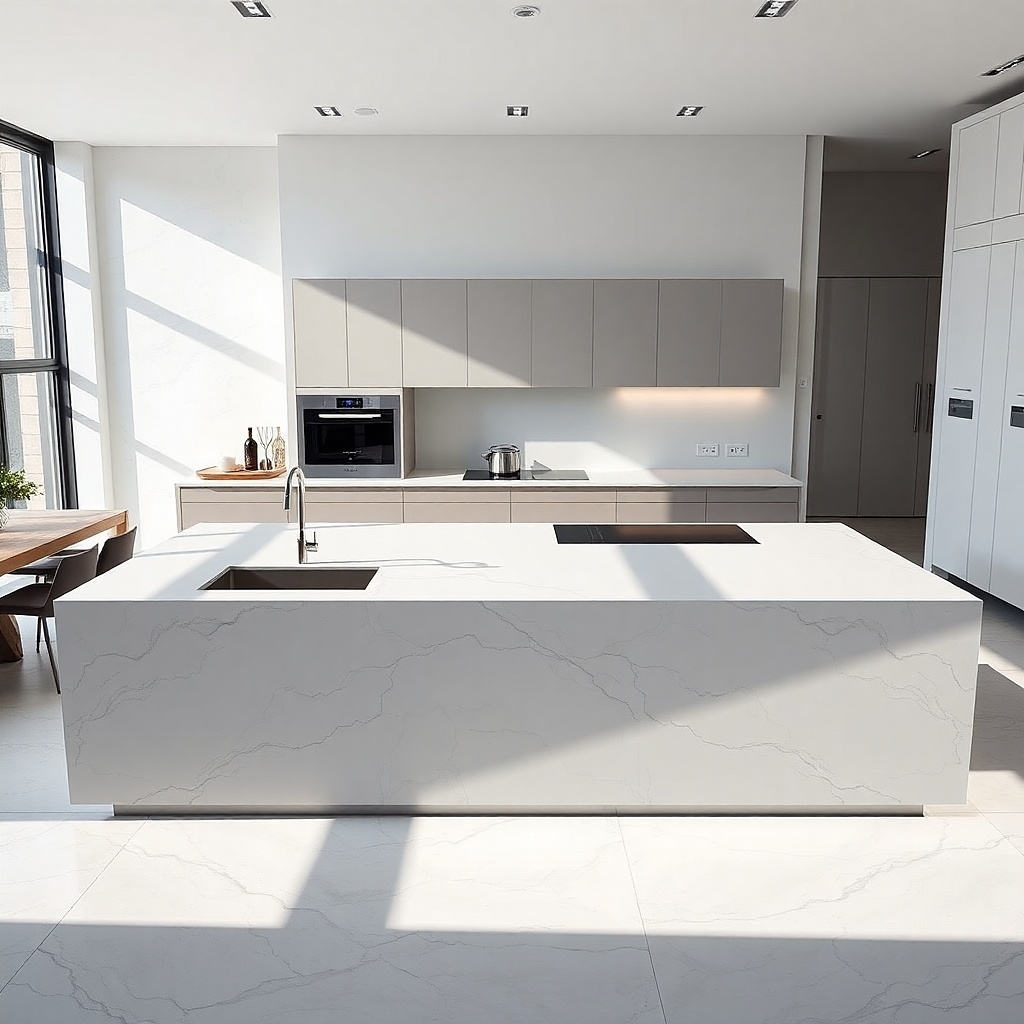
Dekton looks strongest in clean, thin applications. A 12 mm slab on a waterfall island gives a crisp line that suits slab-front cabinets, integrated pulls, and large-format floor tile. The material’s hardness helps the whole composition feel sharp and architectural. If your goal is a kitchen that looks edited rather than decorative, Dekton gets there faster than quartz.
Try thisDark charcoal or warm concrete tones look better than pure black if you want the island to feel current instead of harsh.
Start with the island because that is where a thin-profile slab has the biggest visual payoff. Then keep the edge simple — square eased or a precise miter — and make sure the waterfall seam lands where the pattern reads naturally. Finally, limit visual clutter around it with plain stools, a restrained pendant, and no busy corbels or chunky trim. This is a design move for modern and minimal kitchens, not farmhouse spaces with lots of rustic texture.
Common mistakeDo not force a thin Dekton waterfall into a kitchen full of ornate trim and raised-panel doors.
6. Choose quartz for easier sink runs and busy family layouts
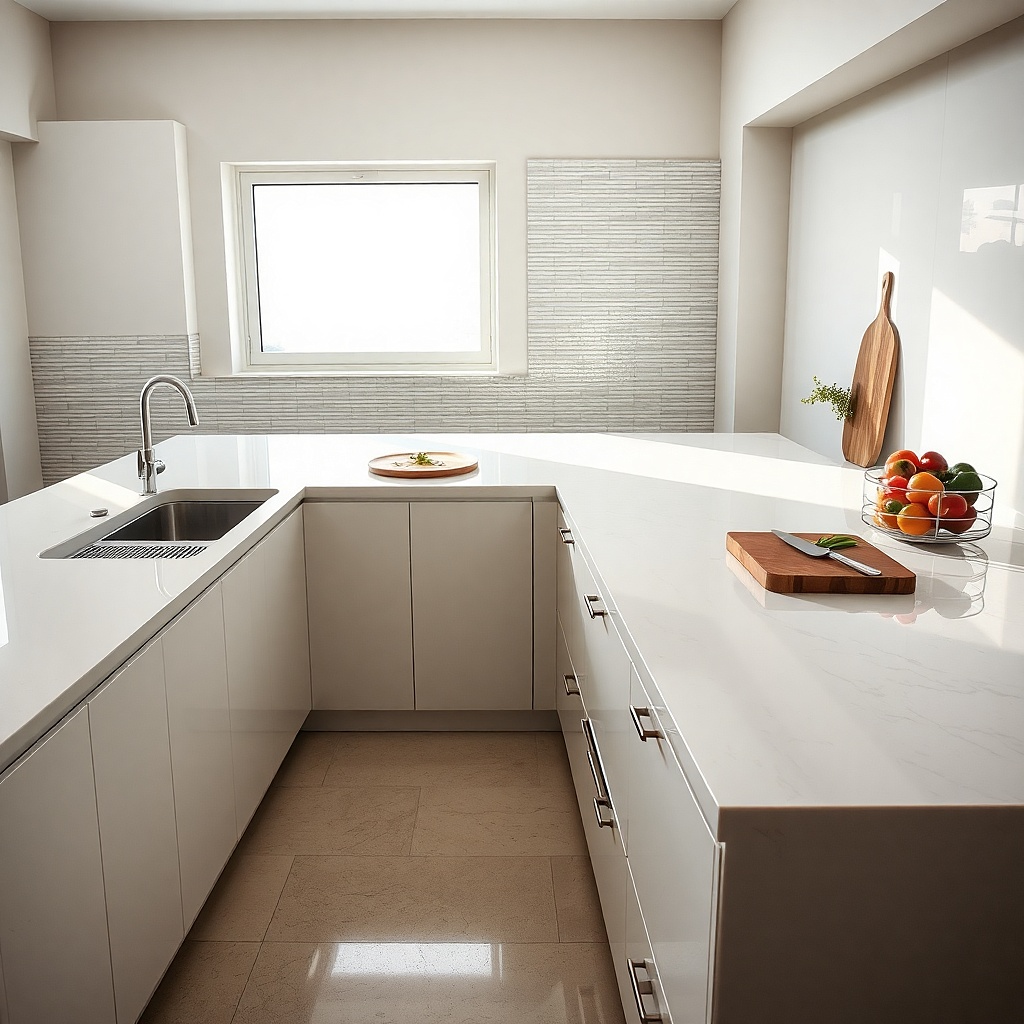
Around the sink, quartz is the more forgiving choice for many households. It handles soap, toothpaste from kids who drift into the kitchen, tomato sauce, and wet dish racks without any sealing routine. More important, fabricators have a long track record with quartz sink cutouts and edge details, so there is less drama in standard remodels. For a kitchen that needs to work, not pose, quartz is easier to specify.
Try thisA low-divide stainless sink pairs better with quartz than a bright white sink if your water leaves mineral marks.
Start by choosing an undermount sink with a 1/8 inch positive or flush reveal, not a deep negative reveal that traps grime. Then use a slightly speckled or softly patterned quartz around the sink to disguise hard-water spots and tiny crumbs. Finally, ask for rounded inside corners at the sink cutout and a standard eased edge on the front run because those details wear better in daily family use. This is one of the safest countertop setups for a first renovation.
Common mistakeSkip pure black quartz around the sink unless you enjoy wiping water spots several times a day.
7. Use Dekton where heat-producing appliances live
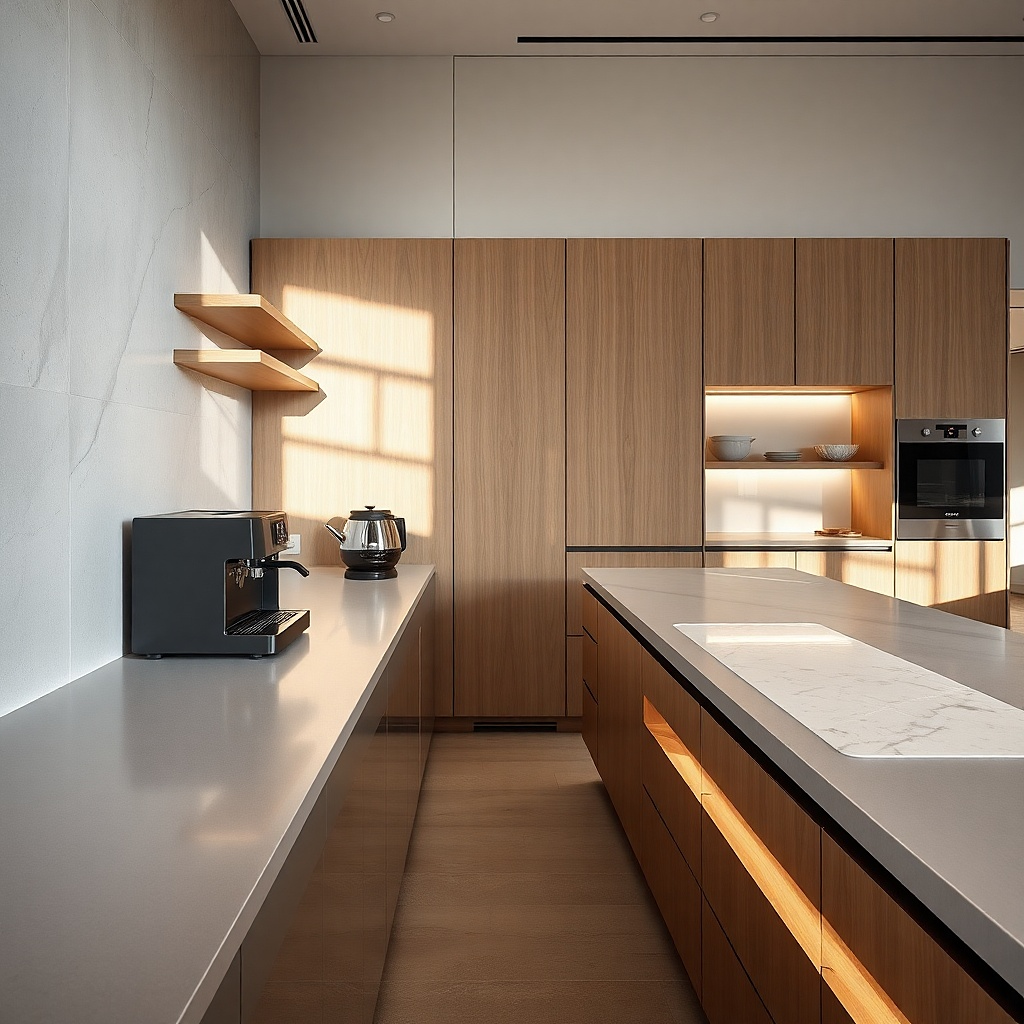
Countertop appliances create steady heat in one small spot, and that is rough on quartz over time. Toaster ovens, air fryers, espresso machines, and slow cookers all dump warmth downward and outward. Dekton is the stronger option for appliance garages, coffee bars, and baking stations where heat builds up year round. This is one of the clearest practical wins in the Dekton column.
Try thisA darker matte Dekton hides the faint ring marks and dust that collect under coffee gear.
Start by listing which appliances stay plugged in and where they sit most days. Then use Dekton on those runs or place heat-safe trays and mats under each appliance if you already own quartz and are not replacing it. Finally, leave at least 3 inches behind heat-producing machines for airflow and avoid boxing them into a tight shelf niche. Material choice helps, but airflow still matters.
Common mistakeDo not park a toaster oven tight against a quartz backsplash seam.
8. Choose quartz if budget is tight but you still want a polished result
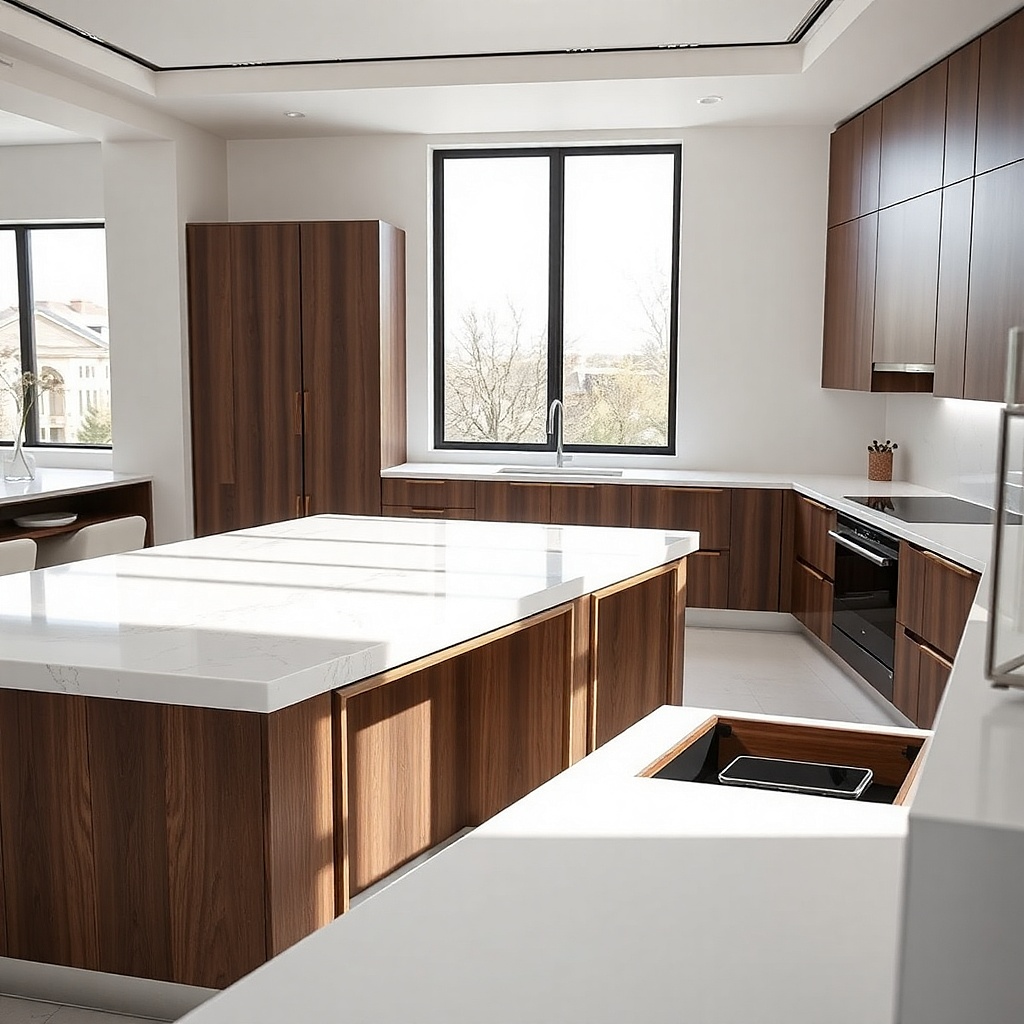
Quartz is the smarter budget decision for most full kitchen remodels. The installed price is lower in many markets, slab availability is wider, and fabrication is more routine. That means fewer surprise charges around cutouts, seams, and edge work. If you want the kitchen to look finished and current without pushing the countertop line item too far, quartz gives better value.
Start by pricing a simple 2 cm quartz in a soft white, greige, or pale stone look before you get distracted by dramatic premium slabs. Then keep the edge standard and avoid fussy details that add labor without improving daily use. Finally, put the saved money into better under-cabinet lighting or a deeper sink, because those upgrades change how the kitchen works every day. This is the practical editor’s choice for many homes under renovation pressure.
Ask to see in-stock colors first because special-order quartz can erase the price advantage fast.
Do not spend entry-level money on quartz and then choose the busiest pattern in the yard.
9. Choose Dekton only if your fabricator is truly skilled
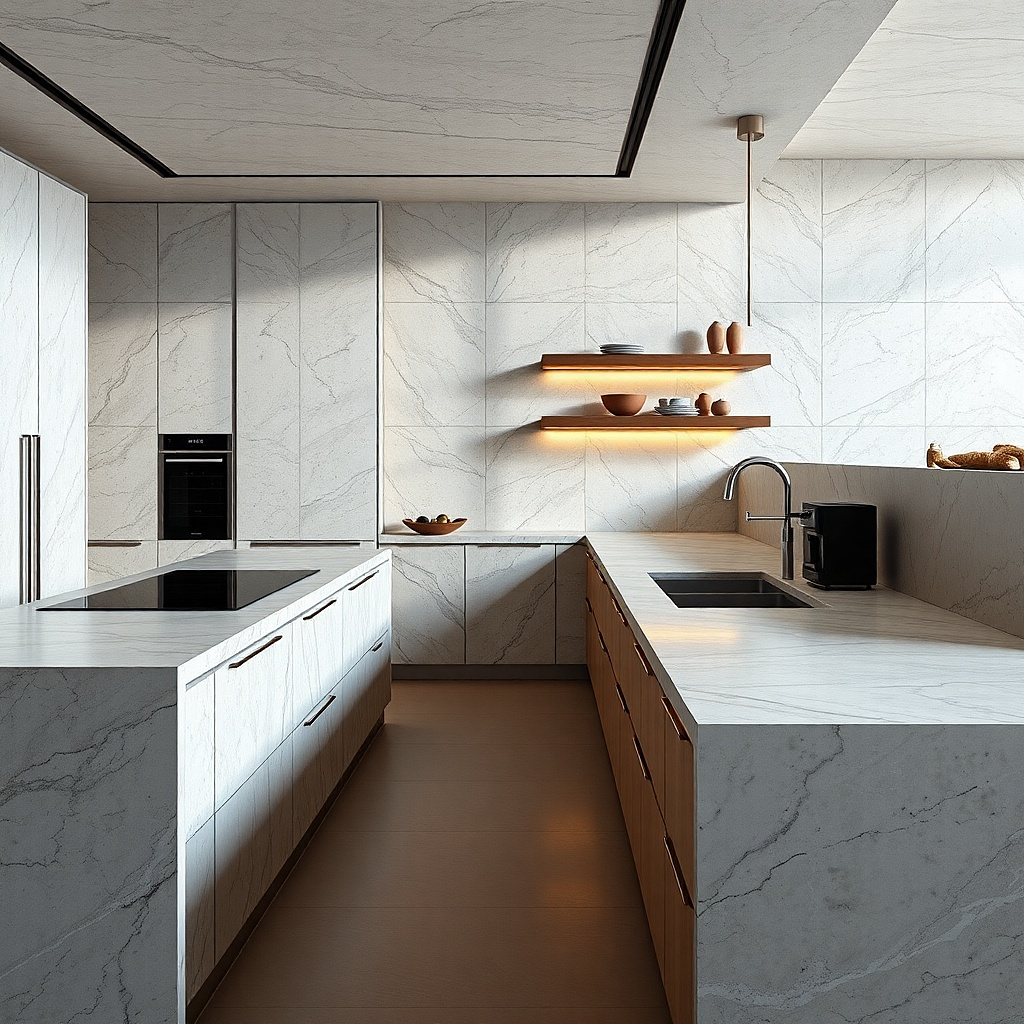
Dekton is excellent material with one catch — poor fabrication ruins the deal. The slab is hard but brittle at vulnerable points, especially corners, seams, and sink cutouts. If the shop lacks the right blades, handling methods, and experience, you get chips, weak spots, or ugly seam placement. This matters more than brochure claims because installation quality decides whether Dekton feels premium or frustrating.
Start by asking the fabricator how many Dekton kitchens they complete in a typical month, not whether they 'work with all surfaces.' Then ask to see photos of sink cutouts, waterfall seams, and inside corners from recent jobs because those details tell the truth. Finally, confirm slab thickness, edge profile, support requirements, and who handles any breakage before install day. A skilled shop is worth paying more for here.
Request eased corners at island ends instead of knife-sharp points if children or hip-level traffic are part of the picture.
Skip Dekton if the installer pushes decorative edge profiles or seems vague about cutout reinforcement.
10. Mix materials if your kitchen has one problem zone
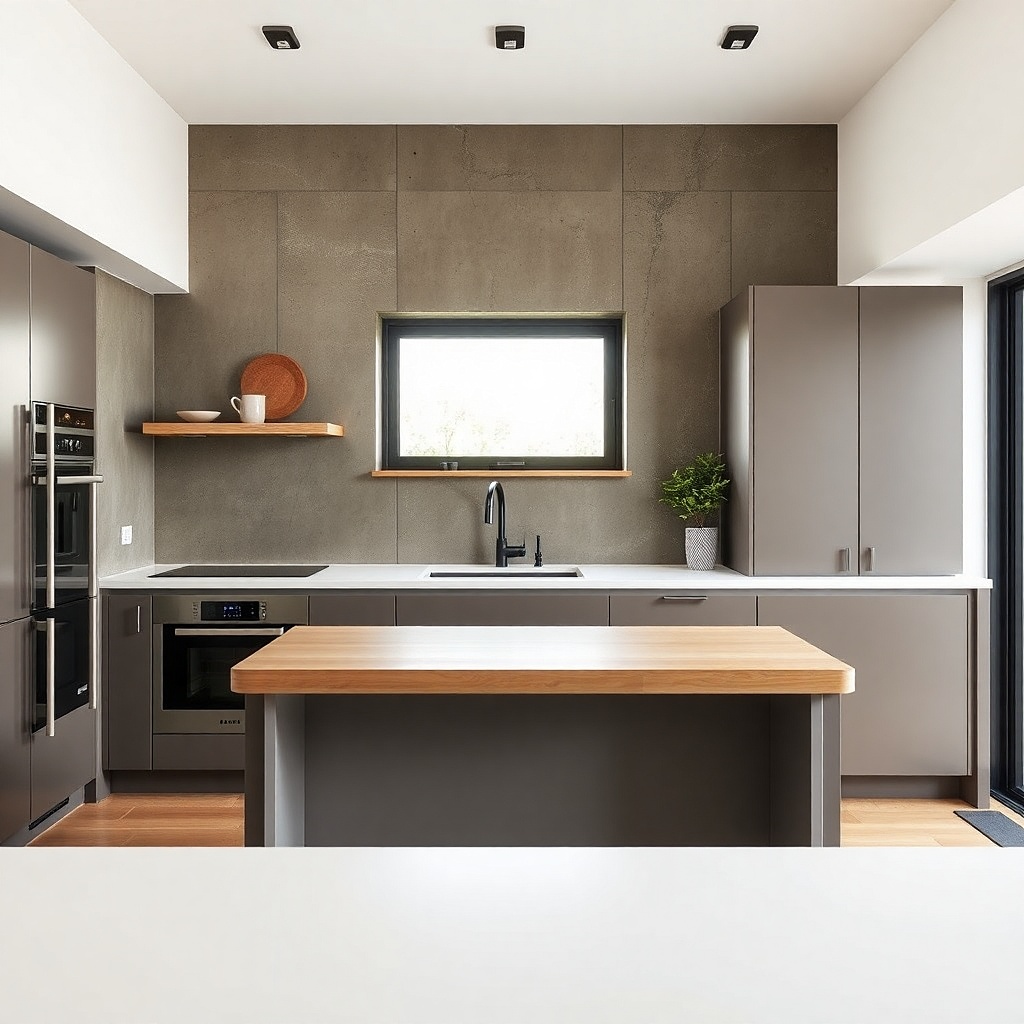
A split-material kitchen makes sense when one area gets punished and the rest does not. Use Dekton near the range, oven landing, or sun-baked window wall, then use quartz on the island or quieter prep side. This keeps the money focused where the material advantage is real. Done well, it looks intentional rather than compromised.
Start by matching undertones, not just color names — warm white with warm white, cool grey with cool grey. Then separate the materials at a natural break, such as a corner turn, a change in cabinet run, or the island versus perimeter. Finally, repeat one finish or one dominant tone elsewhere in the room so the mix feels planned. This approach needs discipline, but it solves real problems without paying Dekton prices everywhere.
Keep one of the two materials quiet so the other one gets the visual attention.
Do not place two heavily veined slabs next to each other and hope they look related.