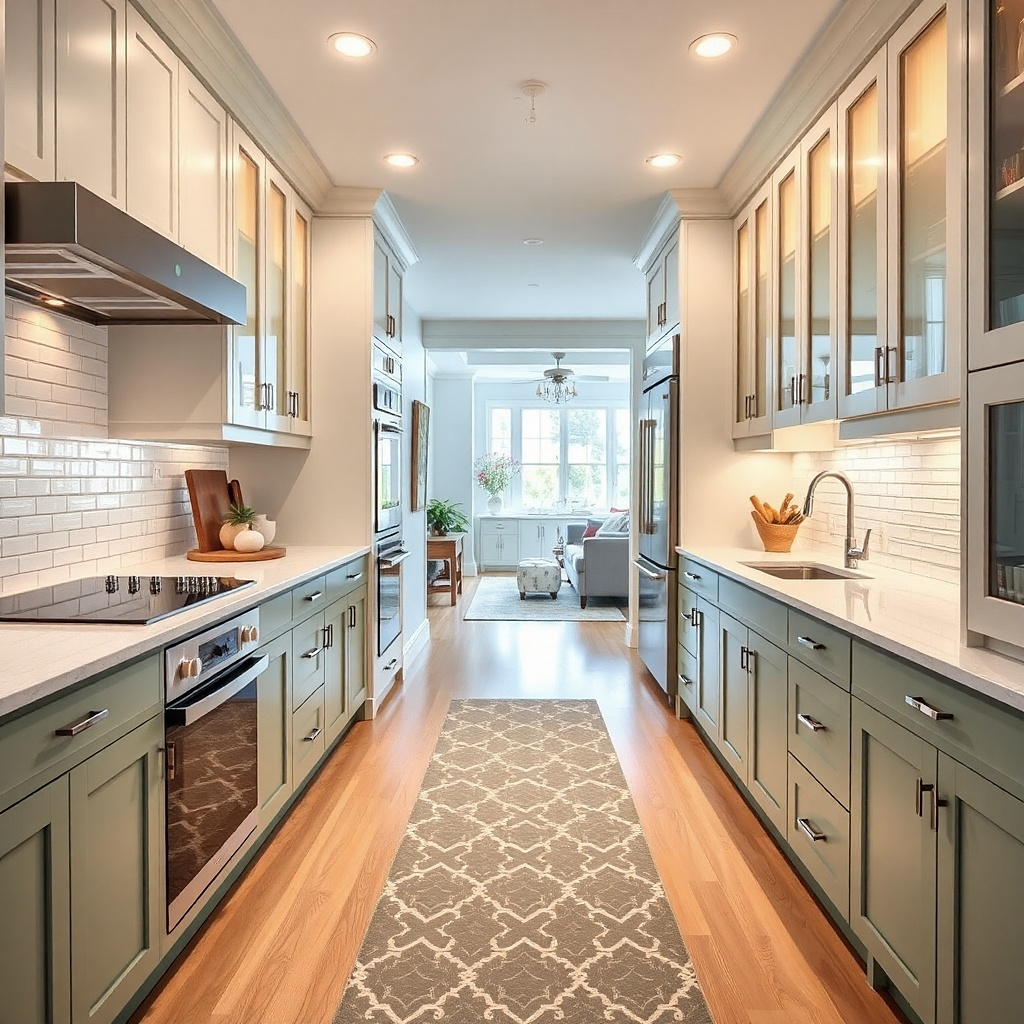
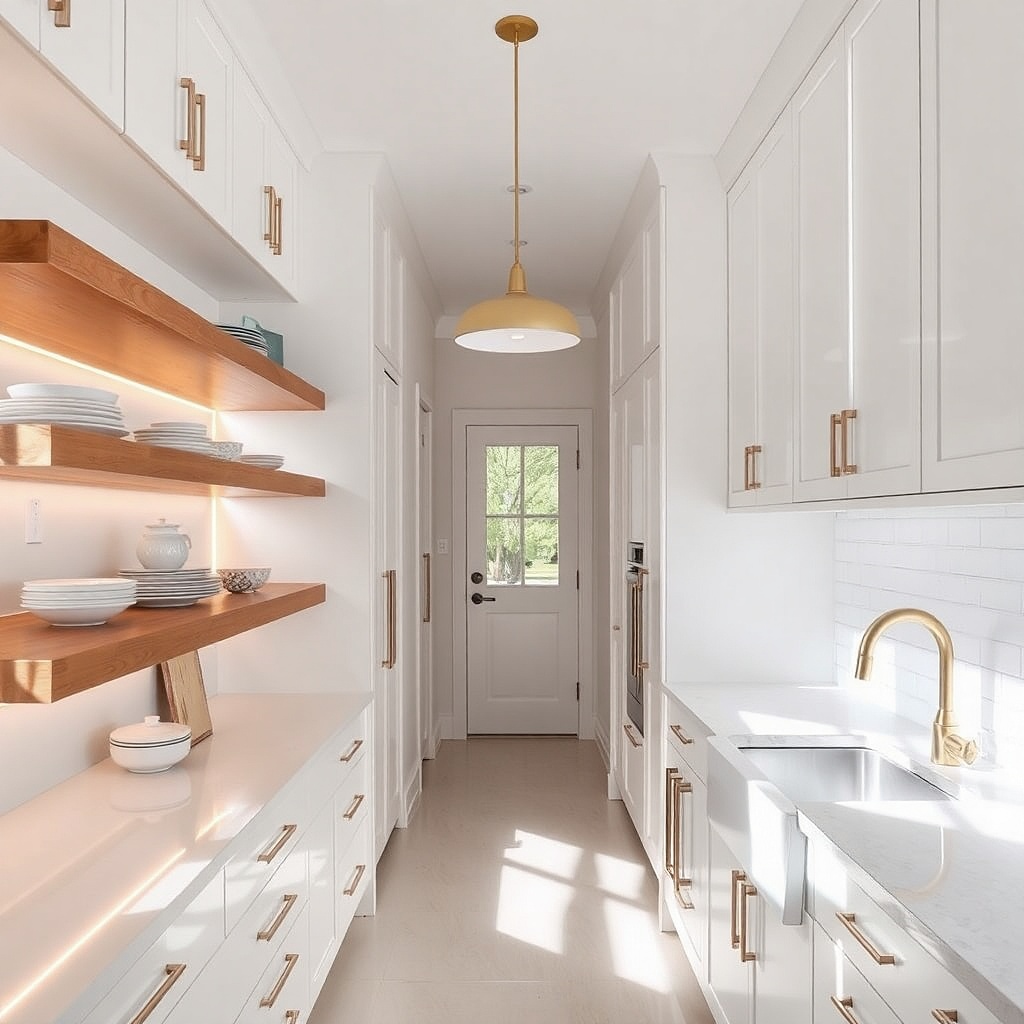
1. Sage Green & White Open Galley Kitchen
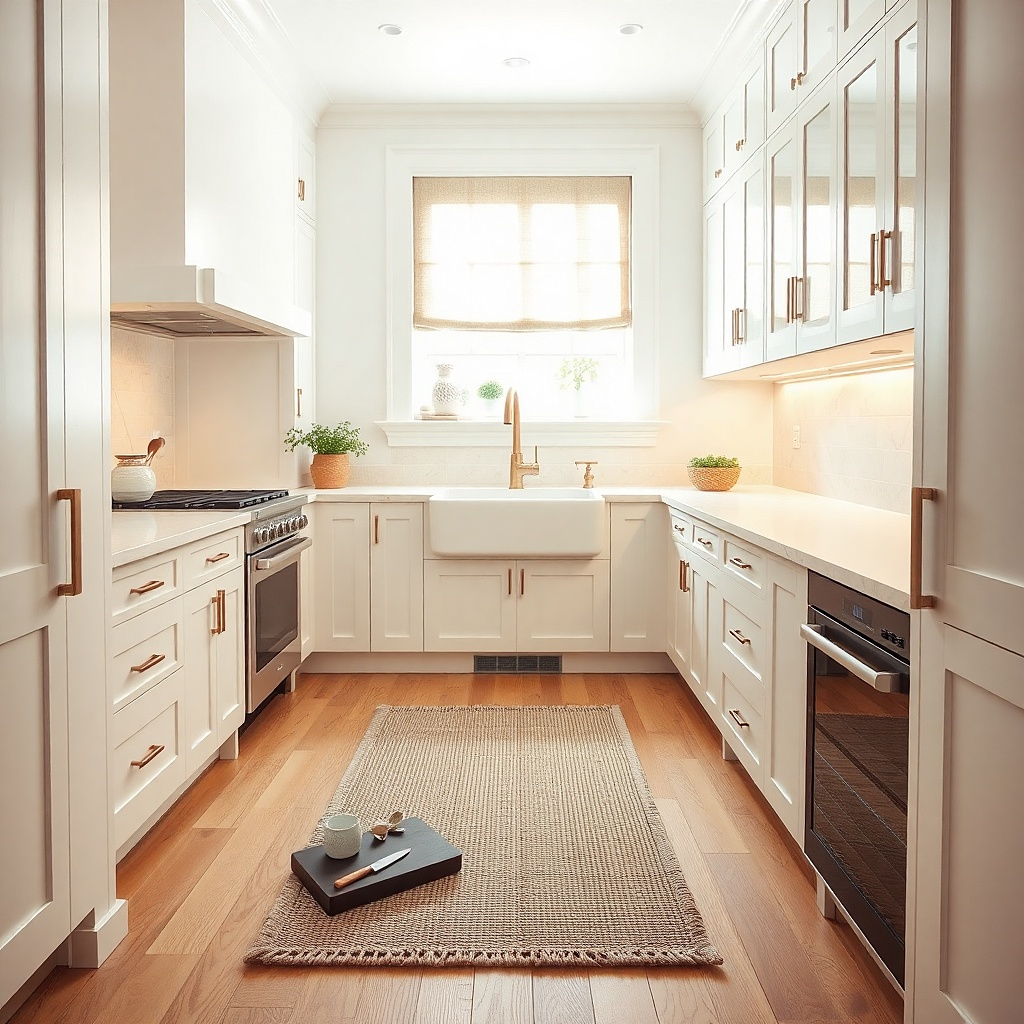
Start by buying a runner that is 20-24 inches wide and long enough to cover at least the main walking zone — usually 6-8 feet in a galley. Center it so you have equal gaps on both sides, then tuck the edges flat with anti-slip rug tape. Mount a tension rod at the top rail height behind the sink at about 54-60 inches from the floor. Hang a white linen panel that is the same width as the sink run, and keep it smooth — no pooling. Finally, turn on under-cabinet LEDs and adjust the color temperature to 2700K so the cream reads warm instead of pink.
I use this combo when a galley feels too hard-edged. The cream runner softens the floor and gives your eyes a continuous line down the walkway, while the brushed brass tension rod adds warm metal without bulky hardware. The linen curtain panel behind the sink adds gentle vertical movement, which makes the space feel taller. It flatters almost any wood tone because cream reads warm next to oak, walnut, and painted cabinets. If your counters are dark, the runner also balances the visual weight so the kitchen does not look like a hallway with appliances.
Common mistakeAvoid patterned runners with busy repeat motifs — they fight the narrow corridor and make the kitchen feel smaller.
Try thisChoose linen with a visible weave. It looks cozy even when it is still, and it hides small splatters better than smooth cotton.
2. Dusty Pink & Warm Beige Galley Kitchen with Nook
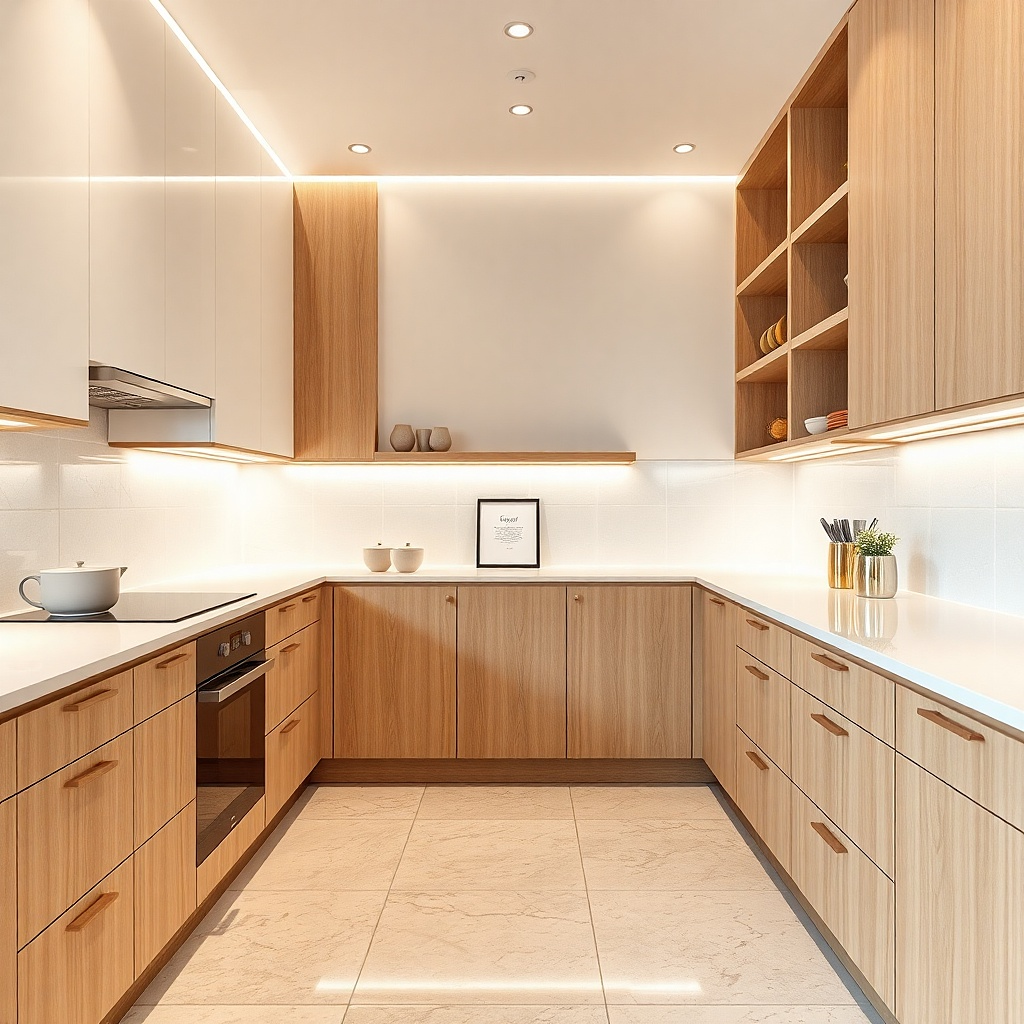
Start by installing or upgrading to under-cabinet LED strips set to 2700K. Place the tape light so it washes the counter surface, not the cabinet face, and keep the diffuser clean. Then add a simple matte white shelf ledge or a painted board at the top of the counter run where you already have a landing zone. Style it with one ceramic tray (about 10x14 inches) and two mugs that match in color or finish. Keep the rest of the counter empty so the light and shelf line do the work.
This is the quickest way I know to make a narrow kitchen feel cozy without changing anything structural. Under-cabinet LEDs add light exactly where you work, and a matte white shelf ledge stops reflections that make counters look cold. The effect is warm, even, and calm — the kind of lighting that makes dishes look clean instead of harsh. Matte finishes are forgiving on small surfaces because fingerprints do not scream. I like this setup for busy households because it makes the kitchen look “put together” even when you have a few everyday items out.
Common mistakeAvoid bright 4000K LEDs — they flatten warm colors and make small kitchens feel clinical.
Try thisUse a dimmer if you can. I keep it at 30-40% in the evening so the glow feels like a warm lamp, not a fluorescent tube.
3. Bright white traditional kitchen with garden view
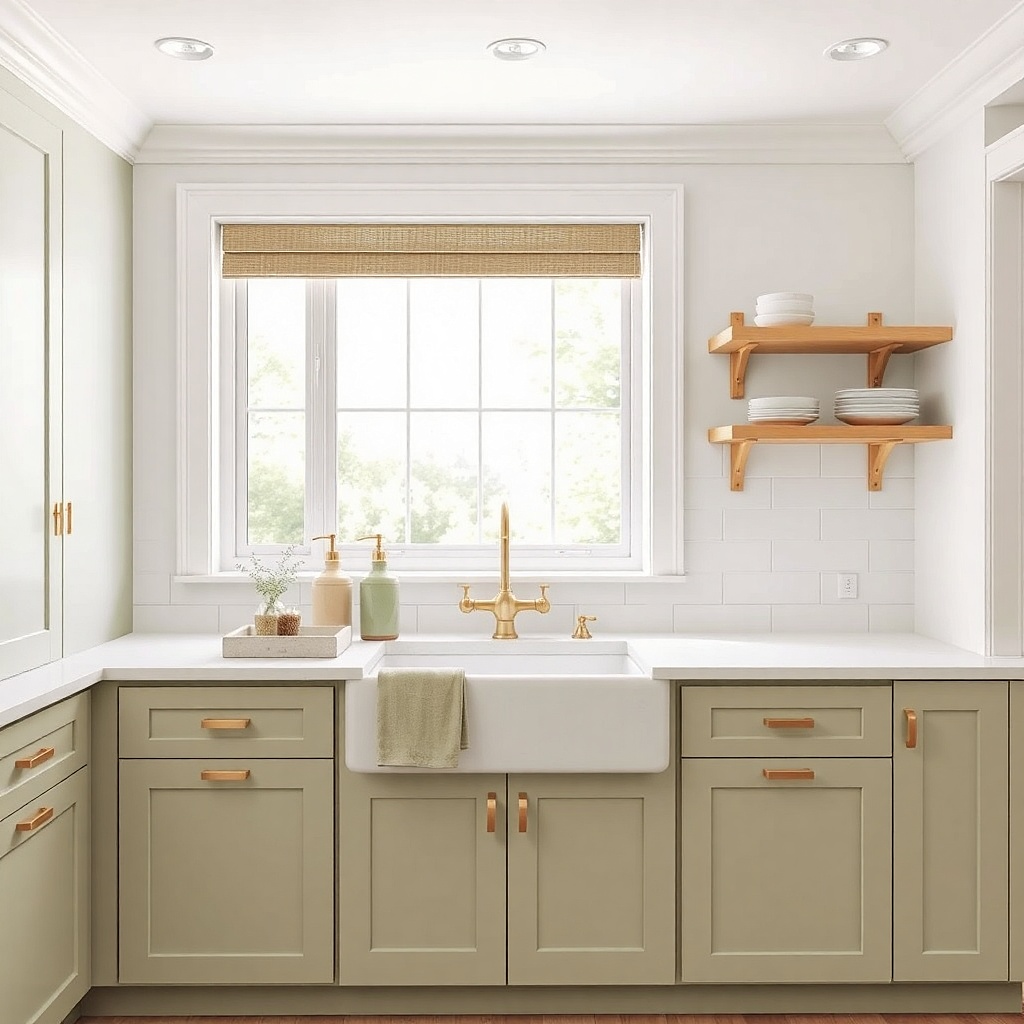
Sage is my go-to cozy accent in narrow kitchens because it reads soft and calm, not loud. Two matching dish towels create a tidy “frame” around the sink, which is one of the first places you look when walking down the galley. The low rail keeps the towels visible and easy to swap, so you do not end up with a random stack on the counter. This works especially well if your cabinetry is white, cream, or light oak. For people with cooler skin undertones, sage also looks flattering because it pairs cleanly with silver metals and white ceramics.
Start by choosing two towels in the same fabric weight — I like medium linen-cotton blends that dry fast. Fold each towel into a rectangle about the width of your sink front, then hang them side-by-side with the folds aligned. Install a low rail or peg bar at about 6-10 inches above the counter so the towels do not touch the backsplash. Add a white ceramic soap dispenser and a small brush with a light wood handle. Finally, keep the sink area to one small tray so the towels stay the star.
Rotate towels weekly and keep one dry and ready. A damp towel makes the area look messy even when everything else is neat.
Skip mixed patterns and mixed greens. Two towels in different shades of green make the sink feel chaotic.
4. Modern dark galley kitchen with skylight
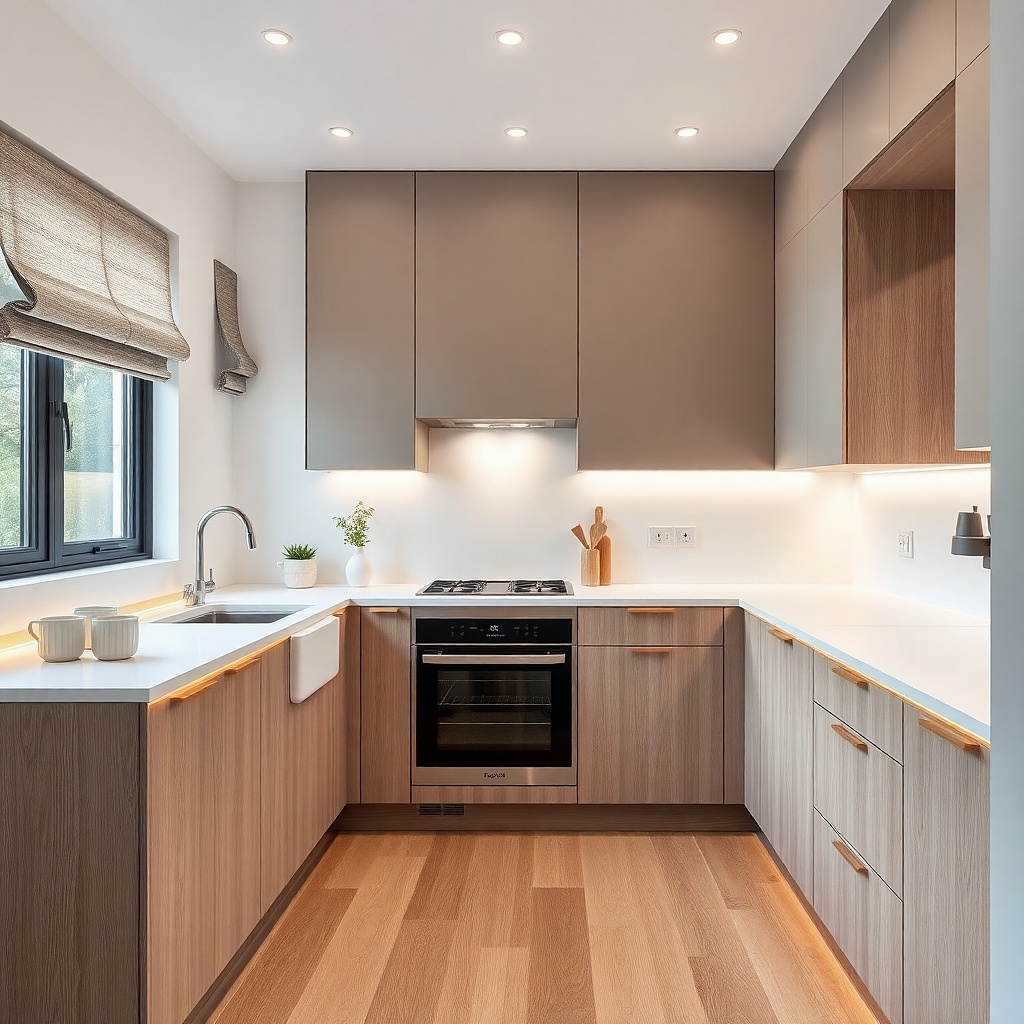
Start by picking jars with the same lid finish — brushed metal or matte black — and keep jar heights within about 1-2 inches so the shelf looks even. Wash and dry the jars thoroughly, then fill them with dry goods you use weekly. Cut cream label paper to a consistent size — for example, 2.5x4 inches — and use one font style and one text color. Apply labels straight, not crooked, and leave a small gap above the label edge so it looks intentional. Place the jars on the shelf in a gentle gradient: taller jars in the back, shorter ones in front.
Clear jars make small kitchens feel organized because they reduce the “search” for ingredients. When you use the same label style across everything, your brain reads the shelf as one unit instead of scattered containers. The coziness comes from the material mix: glass gives you brightness, and cream labels keep it warm. This setup flatters light skin tones and warm woods because the palette stays neutral and calm. It also works for people who cook a lot and need quick access without turning counters into storage.
Common mistakeAvoid labels of different sizes. In a galley, mismatched label blocks look like clutter even when the jars are tidy.
Try thisUse chalk marker only on the lid, not the jar body. It smudges less on glass and looks cleaner when you update labels.
5. Coral and white kitchen with patio access
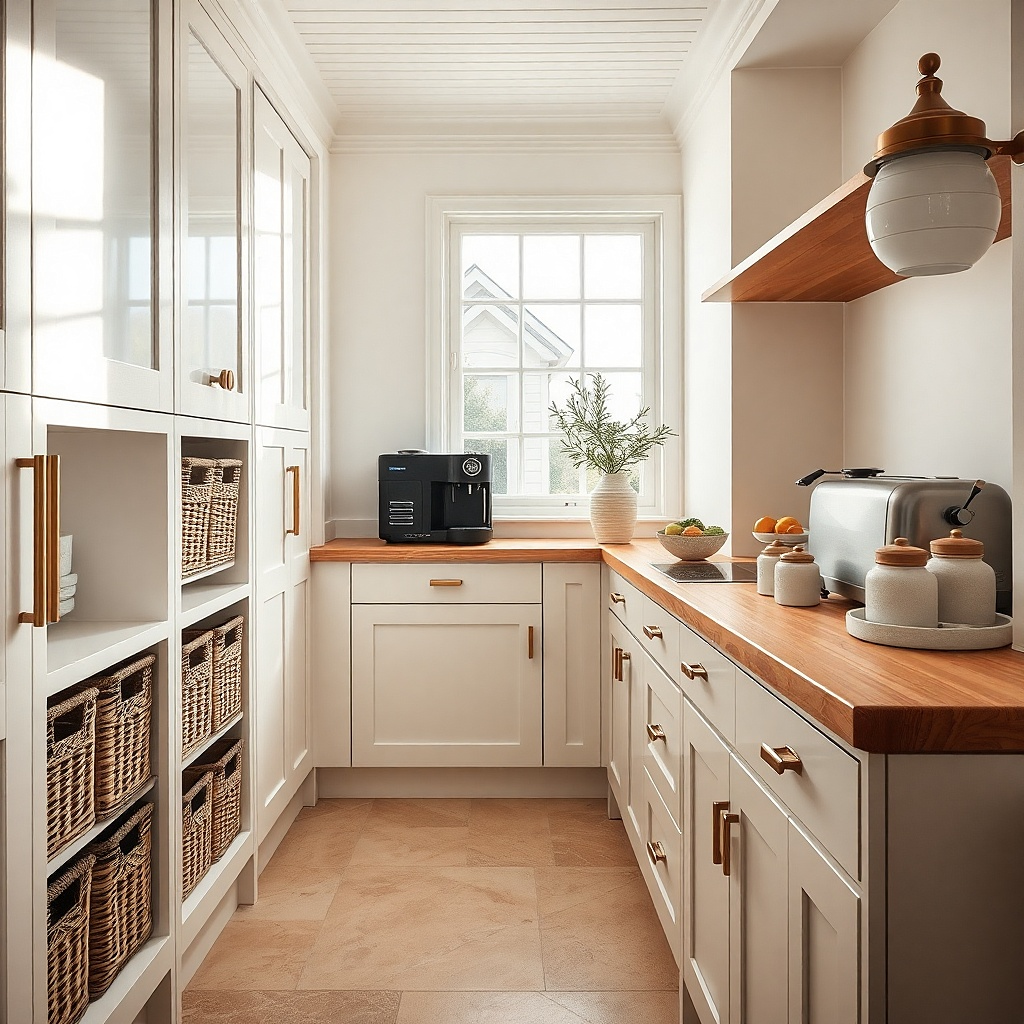
Start by measuring the cabinet opening depth and width — then buy baskets that leave about 1 inch of clearance on each side. Install a simple pull-out drawer slide or use a basket that already has a slide tray. Place a small liner of breathable fabric (cotton or burlap) at the bottom to catch dust. Add onions, potatoes, and citrus in separate small sections using two smaller bowls inside the basket. Put a white ceramic scoop or small hand brush at the front so you can grab without rummaging.
This is one of my favorite cozy fixes because it keeps the “food mess” invisible. A woven basket adds texture and warmth, and the pull-out format prevents bags from collapsing and turning into a dark pile. When you store produce in a breathable basket, you also reduce the smell that can build up in tight kitchens. The look is soft and natural, which balances slick laminate counters and shiny appliances. It flatters most kitchens because woven tones sit comfortably between light oak and painted cabinetry.
Common mistakeAvoid plastic bins inside the cabinet. They trap moisture and look cold against wood and linen.
Try thisKeep one basket for “use soon” produce. It stops you from digging and it keeps the basket from turning into a forgotten pile.
6. Luxurious dark narrow pantry kitchen
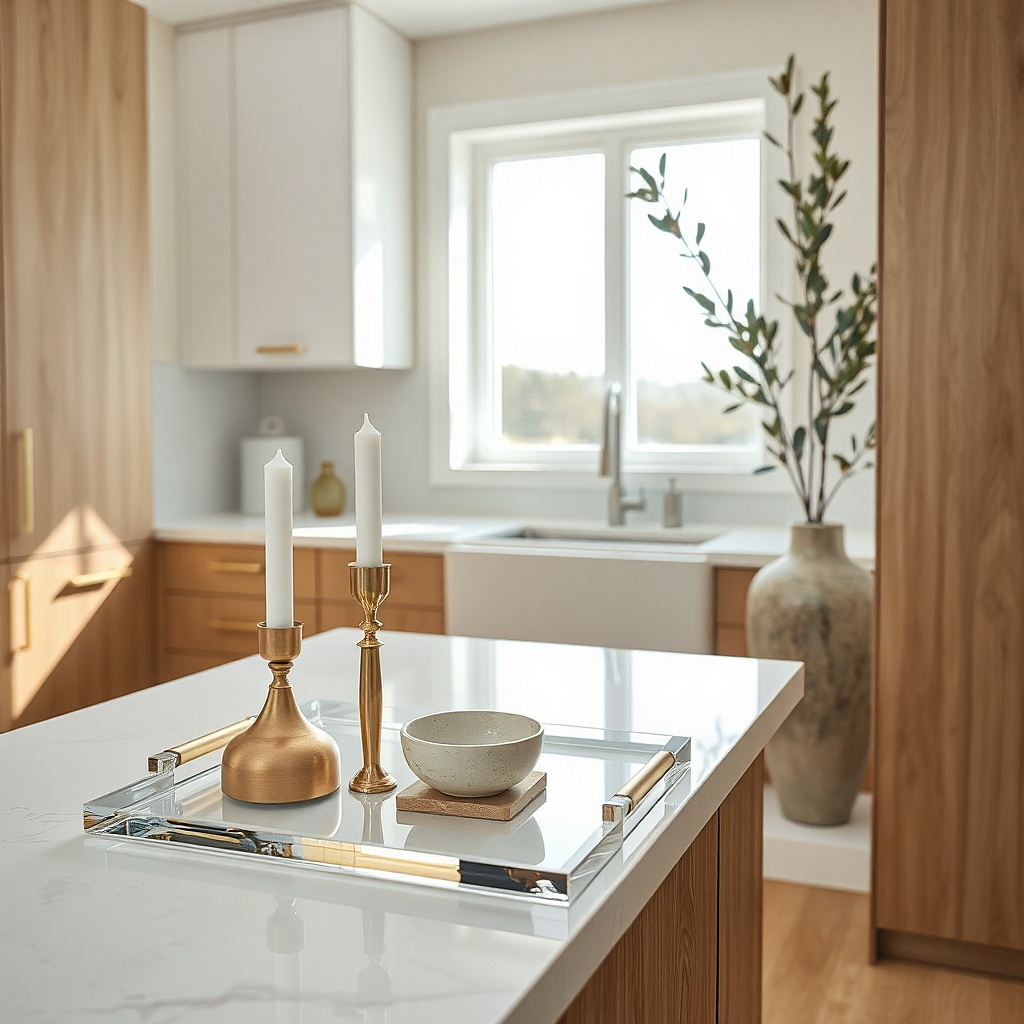
Start by choosing a cutting board with a thickness around 0.75-1 inch and a size that fits the wall space — about 12x18 inches for most galley walls. Mount two small wall hooks or a narrow rail so the board leans at a slight angle, not flat against the wall. Use a rubber bumper or felt strip behind the board so it does not scratch the surface. Add one folded linen cloth on a hook and hang a wooden spoon where you naturally see it while cooking. Finally, keep the counter below clear so the board reads intentional, not random.
A cutting board on the wall gives you cozy function without adding clutter to the counter. I like walnut because it looks warm under LED lighting and hides light scratches better than pale woods. Leaning the board vertically also breaks up the horizontal lines of a galley — it makes the space feel less like a long hallway. This works best when your backsplash is neutral and your cabinets are light, because the wood becomes the warm accent. If you have dark counters, the walnut board balances them and keeps the kitchen from feeling heavy.
Common mistakeAvoid boards with lots of dark stains and heavy chevron patterns. They read busy in a narrow kitchen.
Try thisOil the board lightly with food-safe mineral oil before you hang it. A fresh sheen makes it look warmer in photos and in real life.
7. Modern warm island kitchen
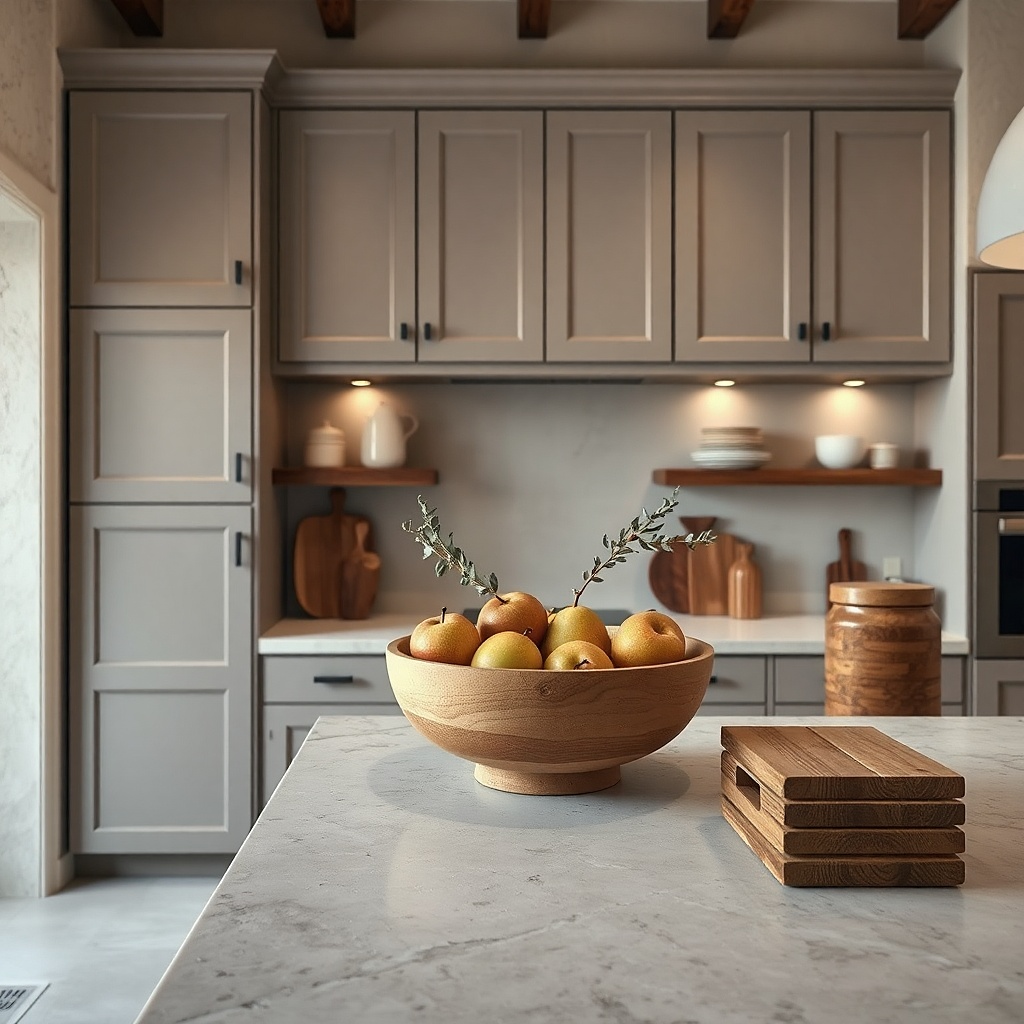
Start by measuring the wall section above your coffee setup — aim for a mirror that is about 18-24 inches wide so it does not overpower the galley. Choose an arched frame in matte black, brushed brass, or warm oak. Hang the mirror so its bottom edge sits around 65-68 inches from the floor. Style the shelf beneath with one canister (ceramic or glass), one small plant in a light pot, and two matching cups. Keep the coffee counter to a single tray so the reflection looks clean.
A mirror changes a galley instantly because it doubles the light and stretches the corridor visually. The arch shape softens the geometry of tight spaces, and it looks warmer than a rectangular industrial mirror. I place it near the coffee zone because that area is already a focal point and you get a useful reflection while you pour. This works especially well if your backsplash is light and your countertops are neutral. For people with smaller kitchens and limited wall space, an arched mirror gives the illusion of depth without taking up counter room.
Common mistakeSkip mirrors with heavy ornate frames. They look crowded in a corridor and fight your cabinet lines.
Try thisWipe the mirror with a microfiber cloth and check it after you cook. Grease smears show up fast in narrow reflections.
8. Light wood modern kitchen with large island
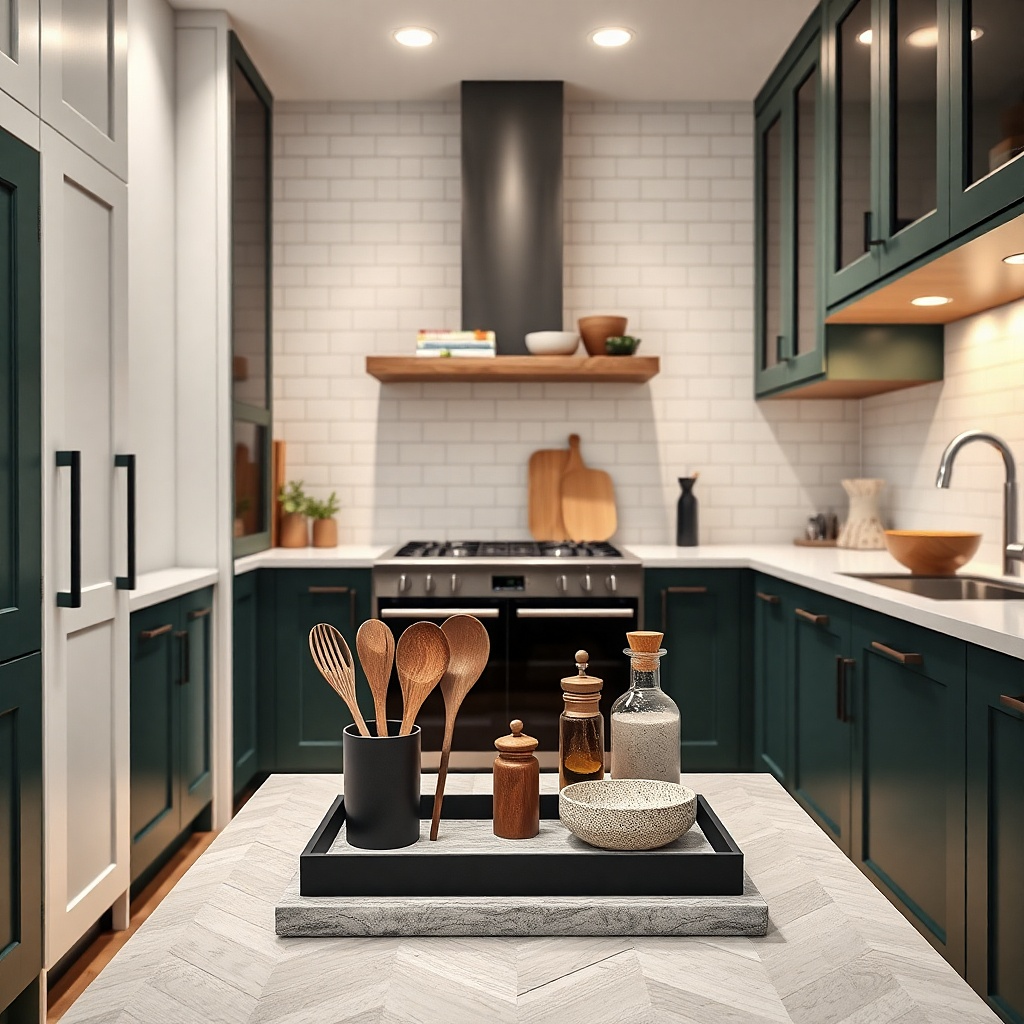
Hardware is the fastest “cozy upgrade” because you feel it every day and it changes how light lands on your cabinets. I like a two-tone approach only when the finishes repeat in two places — faucet and hardware, for example. Brushed brass reads warm and makes white cabinetry feel inviting. Matte black adds contrast so the galley does not look washed out. This is especially flattering if your countertops are speckled or neutral because the hardware finishes pick up those tones.
Start by replacing one set of hardware first — I usually do upper cabinets with brushed brass knobs. Then replace lower pulls with matte black to create a clear visual boundary at counter height. Align pulls consistently: measure from the center of the existing holes and keep pull length around 3-5 inches depending on door width. Match faucet finish or at least keep it in the same family as the brass. After installing, stand in the walkway and check the corridor view. If brass and black are too scattered, swap one finish so the repetition is obvious.
Use painter’s tape on doors to mark spacing before drilling. In a galley, a crooked pull looks worse because everything is seen from straight on.
Avoid mixing brass and chrome. Chrome looks cold next to warm woods and makes the kitchen feel less cozy.
9. White kitchen with green accent wall
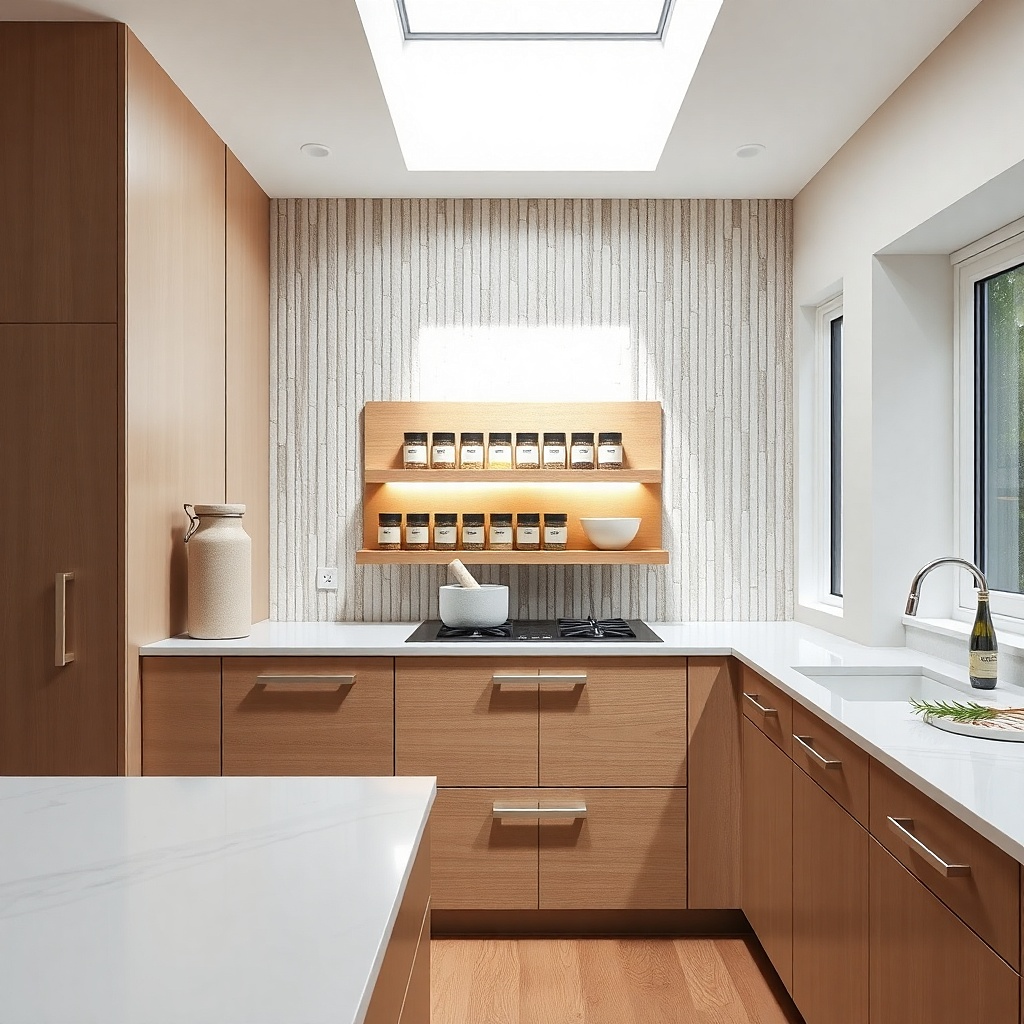
Terracotta adds warmth without needing extra color on the walls. In a small galley, matte surfaces look cozy because they do not glare under cabinet lighting. A trio of canisters creates a tidy “still-life” effect, which is what you want when your counter space is tight. This works well if your backsplash is white or light tile because terracotta gives you a warm anchor. It also flatters people who like a cozy kitchen vibe but do not want loud patterns everywhere.
Start by choosing three canisters in one clay tone — matte terracotta — with lids that are cream or off-white. Place them on a single tray about 11x17 inches to keep the cluster controlled. Fill them with dry goods that actually match your labels. Arrange by height: tallest in the back, smallest at the front left. Keep one canister empty-free of clutter around it — no loose spoons or random packets. Finally, wipe the canister rims so the matte finish stays clean.
Use matching scoops with short handles. Long handles look messy in narrow counters.
Avoid mixing terracotta with glossy glaze everywhere. Too much shine makes the kitchen feel busy instead of cozy.
10. Rustic farmhouse kitchen with wooden beams
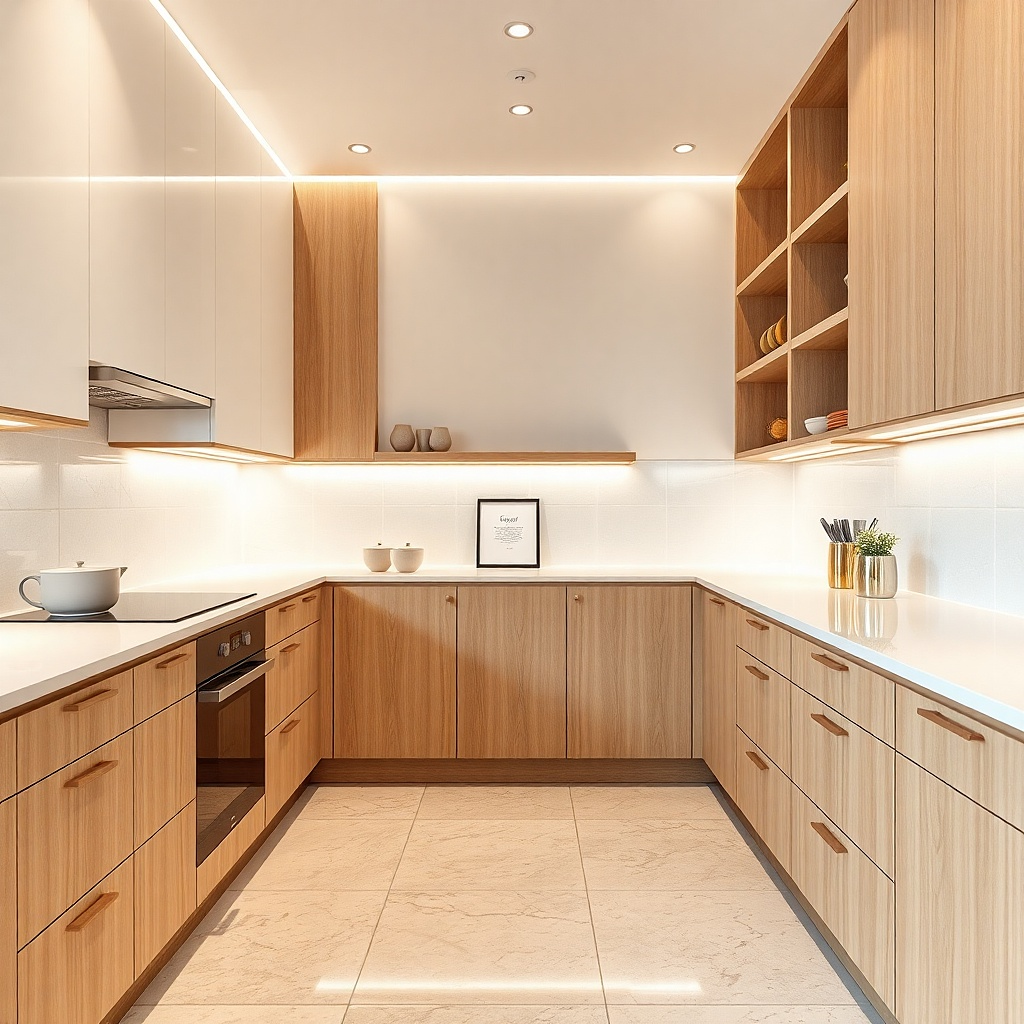
If you have open shelving, a curtain is the easiest way to keep it cozy and clean. The soft fabric hides visual noise mismatched dishes, extra mugs, and random jars while still letting you grab what you need. I like this look because it adds texture to a narrow space without taking floor area. It works best with light walls and light wood shelves, where the curtain reads as gentle framing. For anyone who hates dusting, this is also practical because fewer items are exposed to air.
Start by measuring the shelf bay width and choosing a curtain that covers it fully with a little overlap — about 2-4 inches. Install a small rod above the open shelves using the same finish as your other hardware. Hang two panels so the seam sits near the middle and the fabric falls straight. Place one basket per shelf level and keep only matching dishware visible behind the curtain. When you style, keep the front edge clear so the curtain does not look cramped.
Pick a curtain fabric with a medium weight. Thin sheers turn the shelf into a see-through mess.
Avoid short curtains that stop at mid-shelf. They make the clutter look intentional and still visible.
11. Eclectic white kitchen with floral wallpaper
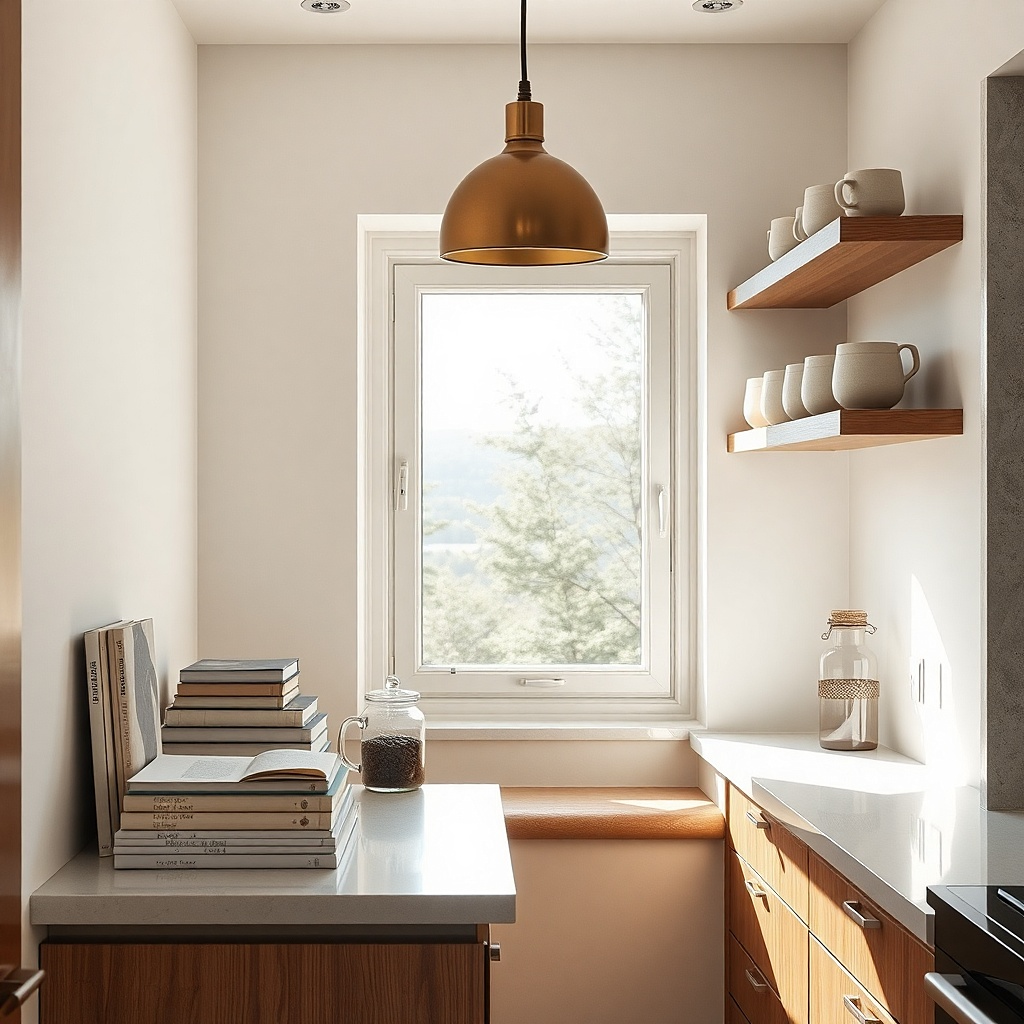
A small tile accent gives your galley depth without covering the entire wall run. Salt-and-pepper speckle adds visual warmth because it has tiny warm and neutral tones that catch light softly. In narrow spaces, full-on patterned backsplashes can overwhelm, but a strip just around the cooking zone or between two cabinets feels intentional. This works well if your kitchen has solid cabinet fronts and plain counters, since the accent becomes the only “pattern.” It also flatters both warm and cool metal finishes because the speckle has a mix of undertones.
Start by deciding the length of the accent strip — typically 24-48 inches in a galley cooking zone. Choose tiles with a small speckle scale so the pattern does not look large from across the corridor. Install on a clean, primed surface and keep grout color in the off-white family so it blends with the rest of the backsplash. After the tile sets, caulk the edges neatly with a matching grout-color caulk. Style the counter near the accent with one matte utensil holder and avoid extra patterns right next to the tile.
Use a light grout, not bright white. Light grout makes speckle look softer and less contrasty.
Avoid bold large-format patterns for the whole backsplash. They overpower a narrow corridor fast.
12. Turquoise narrow kitchen with balcony door
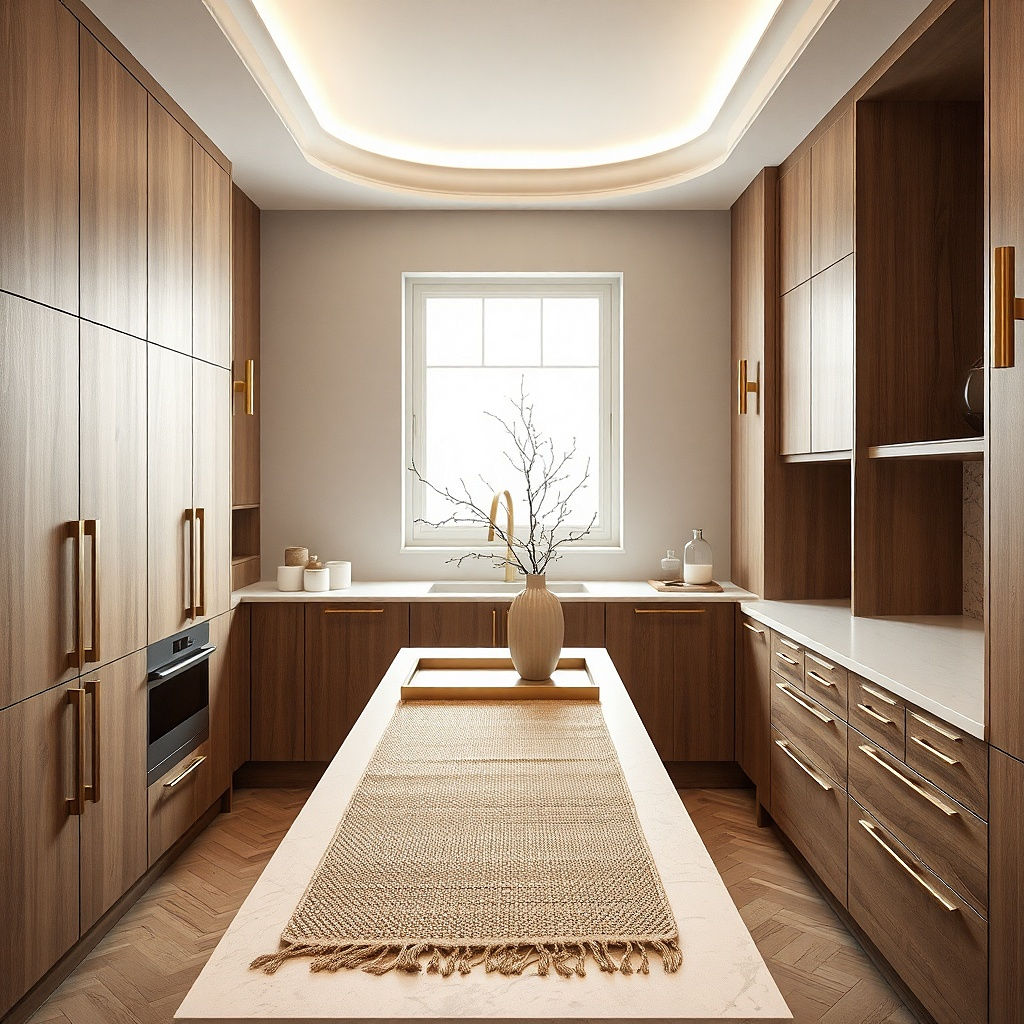
Window treatments are where cozy often goes to die in small kitchens. A warm white linen-blend Roman shade softens the light and adds texture without adding color clutter. I like Roman shades because they stay tidy when you open them no dangling fabric that gets in the way of blinds or curtains. This choice flatters kitchens with white or light wood cabinetry because it adds warmth through fabric texture, not paint. If your kitchen faces the street and privacy matters, a linen-blend shade also diffuses views without making the room feel dark.
Start by measuring the inside mount width and height. Choose a shade that is 1/4 inch narrower than the window opening so it does not scrape and binds. Install the brackets level — in a galley, uneven shades scream immediately. Pull the shade down to cover the top half of the window so you still get daylight. Pair it with simple hardware — a brushed brass or matte black pull chain — and keep the rest of the kitchen palette warm and neutral.
Steam the shade before hanging. A wrinkle-free linen look reads more expensive and more cozy.
Avoid fully lined blackout fabric in a small galley unless you truly need it. It can make the room feel dim.
13. Rustic brick kitchen with blue island
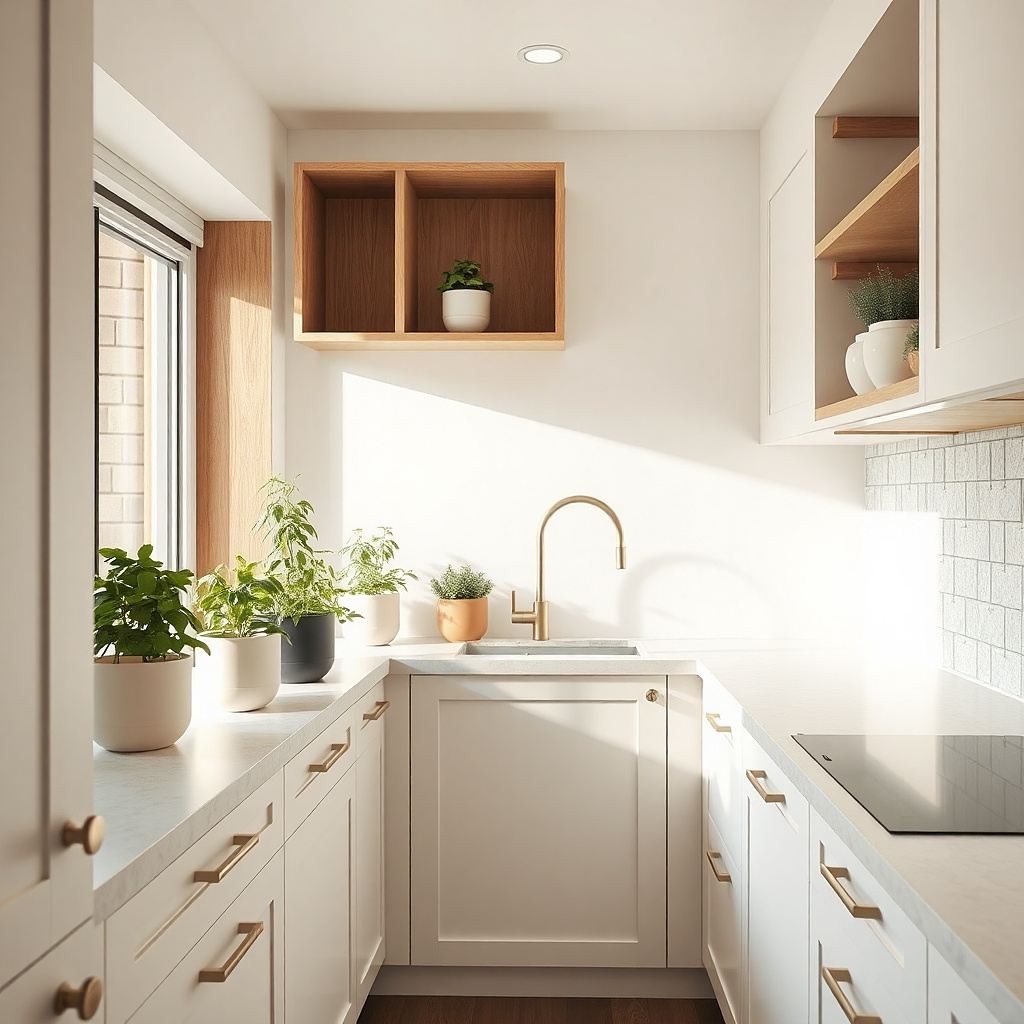
When your counter is narrow, loose utensils make the whole kitchen look messy. Matching crocks on a tray gives you a controlled, intentional “corner” even when you cook daily. Wood crocks add warmth, and a tray makes the grouping feel designed rather than dumped. This works especially well if your backsplash is plain and your cabinets are light, because wood becomes the texture anchor. It flatters most kitchens because you can match wood undertones to your cutting boards or floating shelves.
Start with one tray that fits your counter lane — usually 12-16 inches long in a galley. Choose two crocks in the same finish (light oak, walnut, or bamboo) with similar heights. Place the crocks slightly back on the tray so the front edge stays clear for a spoon rest. Add one small ceramic timer or salt cellar for visual balance. Keep the rest of the counter empty — no extra utensil packs, no random foil boxes. Wipe the tray edges weekly so the wood stays clean and honey-toned.
Use a spoon rest insert if your spoons drip. It keeps the tray from getting sticky and grimy.
Skip mixed utensil containers like glass + metal + plastic all together. It reads cluttered in a narrow corridor.
14. Bright yellow and white kitchen
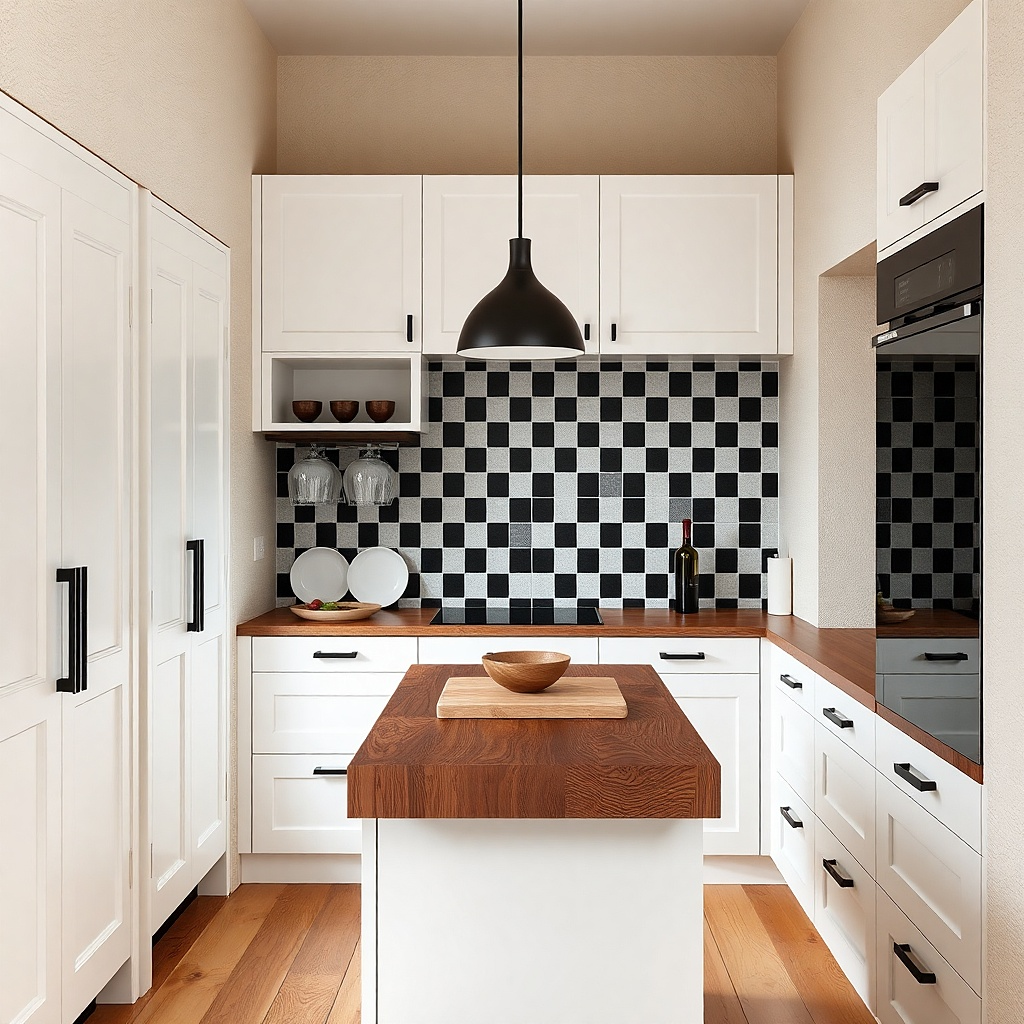
Start by choosing three photos with similar contrast — not mixed sepia and grayscale. Print or buy frames in the same size, like 8x10 inches each, and keep the total strip width under about 36 inches for most galleys. Mount them with a consistent gap of about 2 inches between frames. Center the strip over the sink so your eye lands there when you walk down the corridor. Add one small floating ledge below or beside with a single vase or plant so the art does not feel lonely.
Art in a galley has one job: add personality without stealing attention from the work zone. A small strip of black-and-white photos above the sink does that because the frames create a clean vertical rhythm. Matte black frames tie into faucets or hardware and keep the look cohesive. This works best when your backsplash is light and your cabinets are simple, since the frames become the only bold element. The black-and-white palette also flatters kitchens with warm or cool undertones because it does not compete with colored tiles.
Common mistakeAvoid colorful art next to a busy backsplash. The color overload makes the narrow run feel cramped.
Try thisUse museum glass or acrylic if you can. It reduces glare and keeps the frames looking crisp near under-cabinet light.
15. Yellow sunny kitchen corner
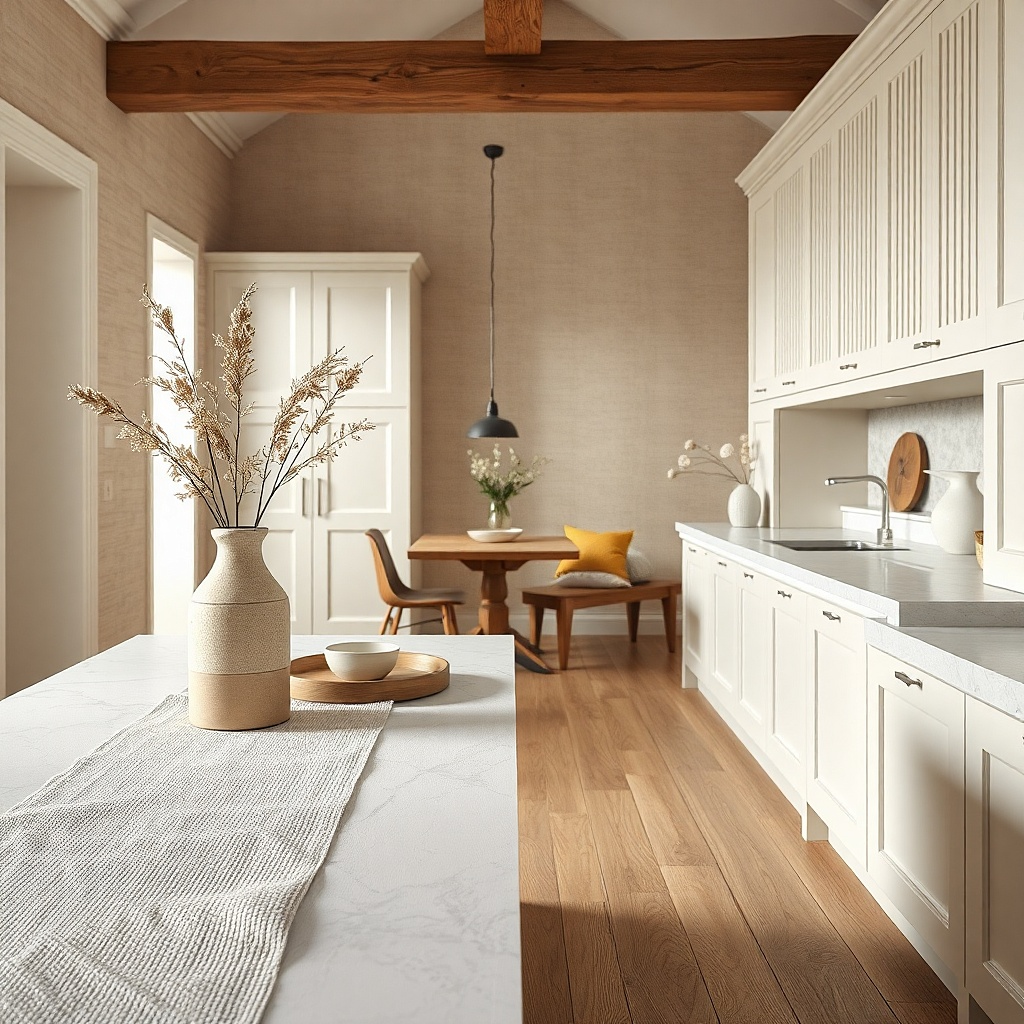
Cozy is often a small sensory thing: warm materials under your hands, not just what looks pretty. Jute rope coasters add texture and a casual warmth that works in tight kitchens where counters get touched constantly. A tray keeps oils and grinders from looking scattered, and it gives you a “home base” for the items you reach for. This is great for families who cook frequently because it keeps daily mess contained. It also flatters both modern and farmhouse styles because rope is natural and neutral.
Start by choosing a tray that matches your wood tones, usually 10-14 inches long. Place two jute rope coasters on the tray — one under each bottle — so you protect the surface from drips and keep the look layered. Arrange the bottles side-by-side and add one small grinder at the end so the cluster reads balanced. Keep labels readable but consistent in color; if you have mismatched bottles, group them on the tray so they do not spread across the counter. Replace coasters when they look fuzzy or flattened so the texture stays crisp.
Wipe oil bottles with a dry cloth right after use. A single sticky spot on a small counter ruins the cozy look fast.
Avoid leaving bottles directly on bare laminate or stone without protection. Small spills turn into permanent dark marks.
16. Modern rustic kitchen with atrium
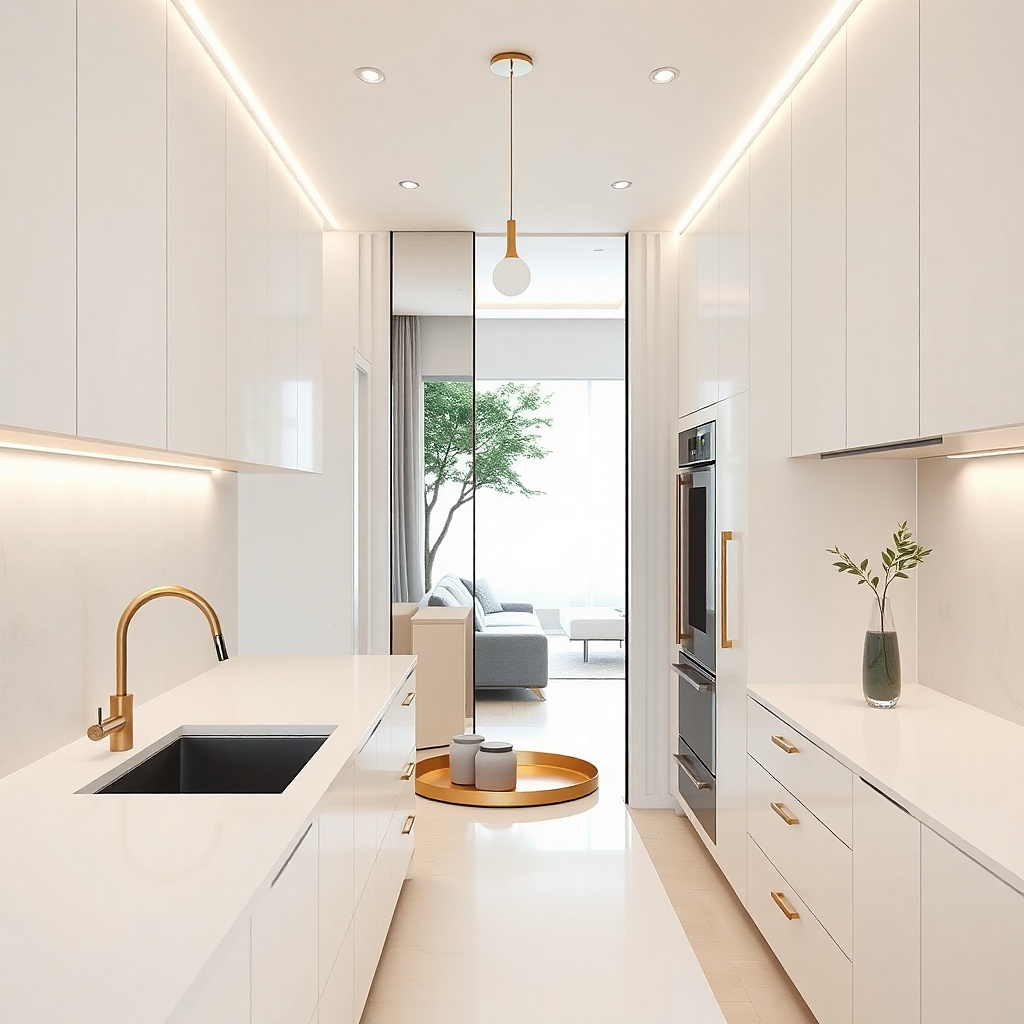
Start by picking a wood backer board about 12-18 inches wide and mount it at about 50-60 inches from the floor. Attach a magnetic sheet or use magnetic board backing that works with your tins. Line up tins in a grid with equal spacing so the board looks symmetrical. Label tins using cream stickers with black text and keep the font consistent. Place the board near the stove but not so close you get heavy heat exposure; I aim for at least 6-8 inches away from direct burner splash zones.
If your spice drawer is overflowing, a spice board is the cleanest cozy fix I know. Warm wood backers look inviting next to stainless appliances and prevent the whole area from feeling like a hardware store. Magnetic tins keep the look tidy because everything has a defined spot, and you do not get spice chaos spilling out of drawers. This is best for narrow galleys where you need vertical organization without adding bulky shelves. It also flatters kitchens with light counters because the wood adds warmth exactly at eye level.
Common mistakeSkip random sizes of tins. Mixed heights make the board look messy even when you try to keep it neat.
Try thisUse tins with matte finishes. Glossy tins reflect stove light and can look harsh in small spaces.
17. Small Glass Pendant With Warm Bulb Over the Sink
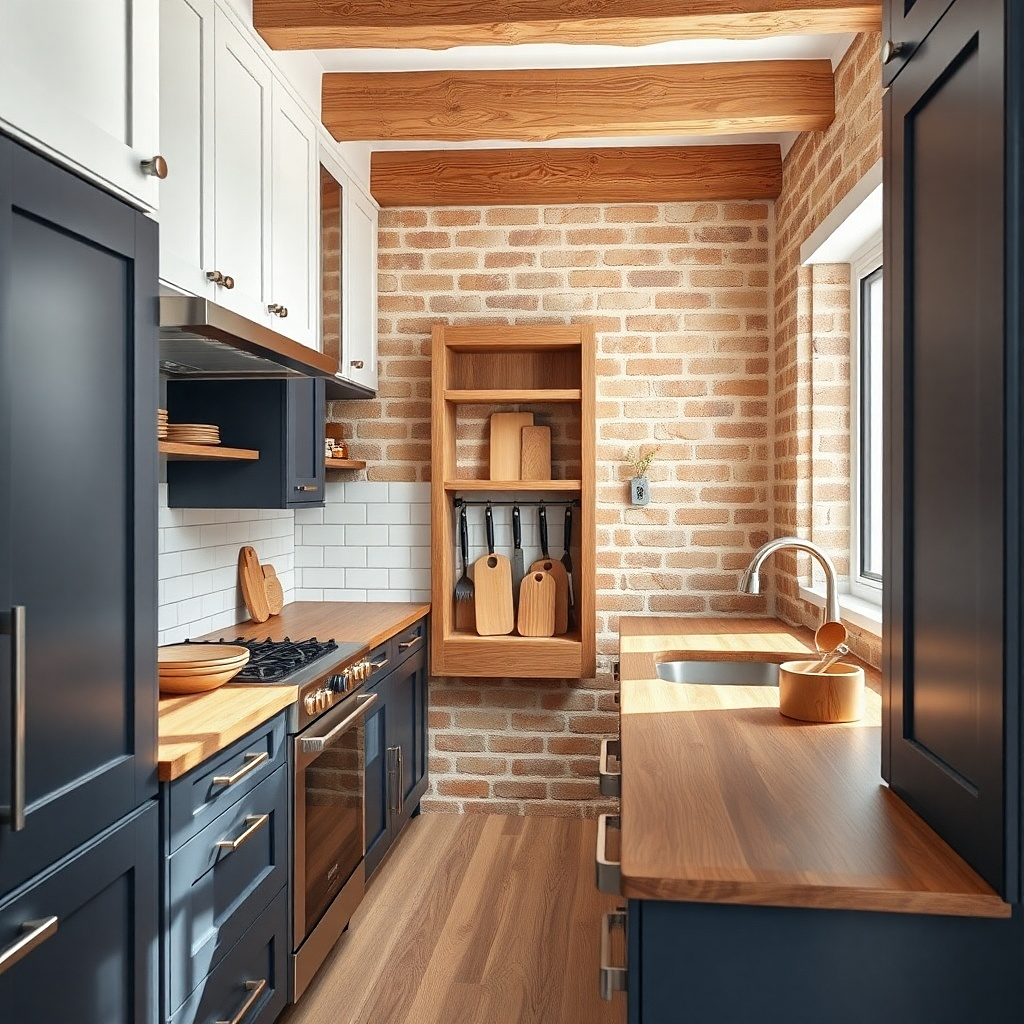
A pendant over the sink makes the whole galley feel more lived-in because it adds a warm focal light, not just task lighting. In a narrow space, one small pendant is enough to change the mood from “workroom” to “home.” Glass shades spread light softly across the backsplash, which helps the corridor feel less tight. This works best when your kitchen has under-cabinet LEDs already or you can add them — the pendant then becomes the cozy layer on top. It also flatters small kitchens because you get atmosphere without eating up counter space.
Start by choosing a pendant with a glass shade diameter around 10-12 inches so it fits the sink run without blocking sightlines. Hang it so the bottom of the shade sits about 28-32 inches above the sink rim, depending on your backsplash height. Use a warm bulb around 2700K with a dimmer if you can. Center it on the sink so the corridor view feels balanced. Pair with a simple sink zone — one soap dispenser, one dish brush — so the light has a clean area to glow on.
Use a dimmer and set it to low for evenings. The cozy effect comes from the lower light level, not brighter bulbs.
Avoid oversized pendants. In a galley, they crowd the corridor and make ceilings feel lower.
18. Modern Japandi Minimal Galley Kitchen
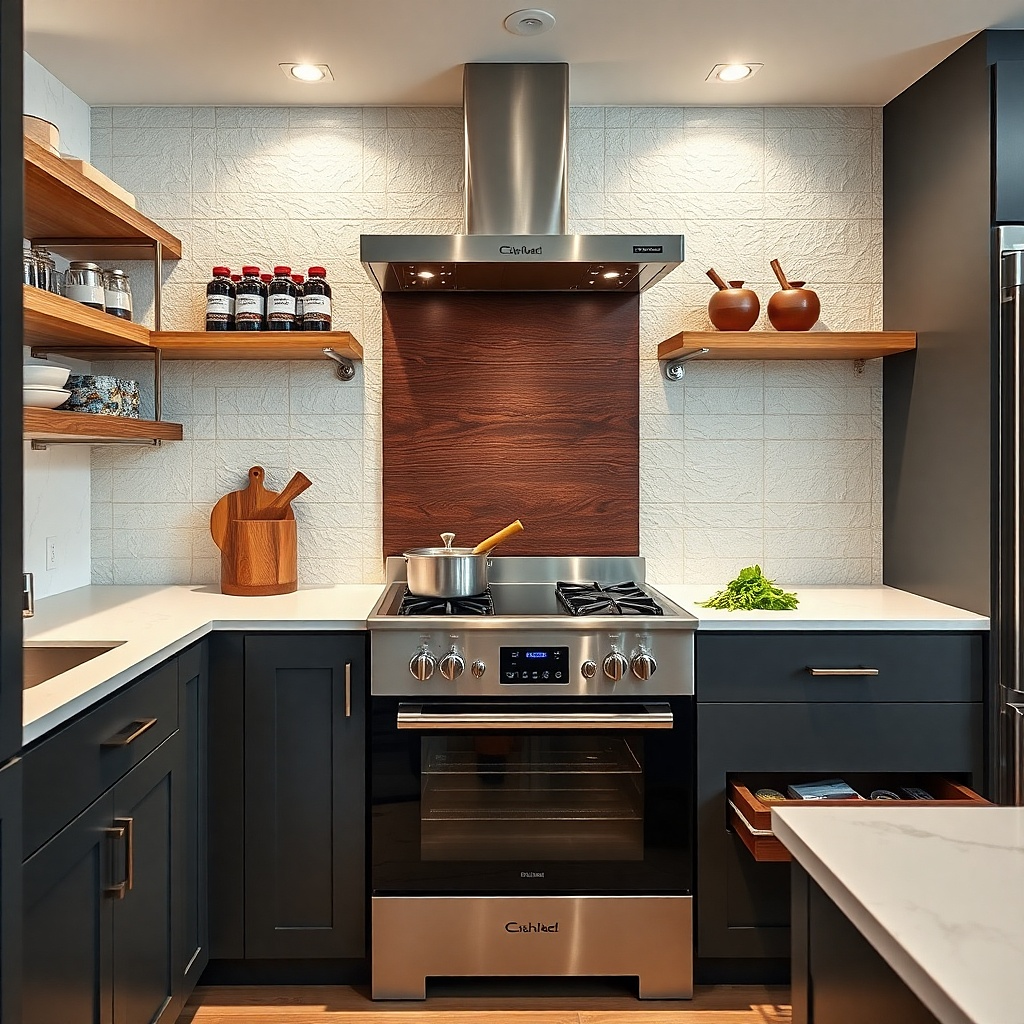
Start by installing a floating shelf 6-10 inches deep in the corner wall near the dining side. Place the shelf so the bottom edge is about 66-70 inches from the floor for comfortable viewing. Use a light ceramic pot with a small plant that fits the scale — pothos or a compact herb. Lean one cookbook upright against the back of the shelf and place a tiny ceramic dish in front for a key or spoon. Keep the rest of the wall bare so the shelf stays a calm accent.
A tiny shelf styling trick that works in galleys: keep it to one plant and one object that has a vertical shape. The plant adds softness and a living texture, while the book gives you color without turning into clutter. This works when your galley has one awkward corner where nothing fits well. I like using light ceramic pots because they look warm next to stainless hardware and do not glare under LEDs. It flatters the whole room by giving your eye a gentle stop point instead of letting it run straight down the corridor.
Common mistakeAvoid stacking multiple decor items on that shelf. Two shelves worth of clutter on one shelf reads cramped fast.
Try thisWipe the plant leaves weekly. Dust makes the whole cozy look feel neglected in a small kitchen.
19. Warm English Cottage Galley Kitchen
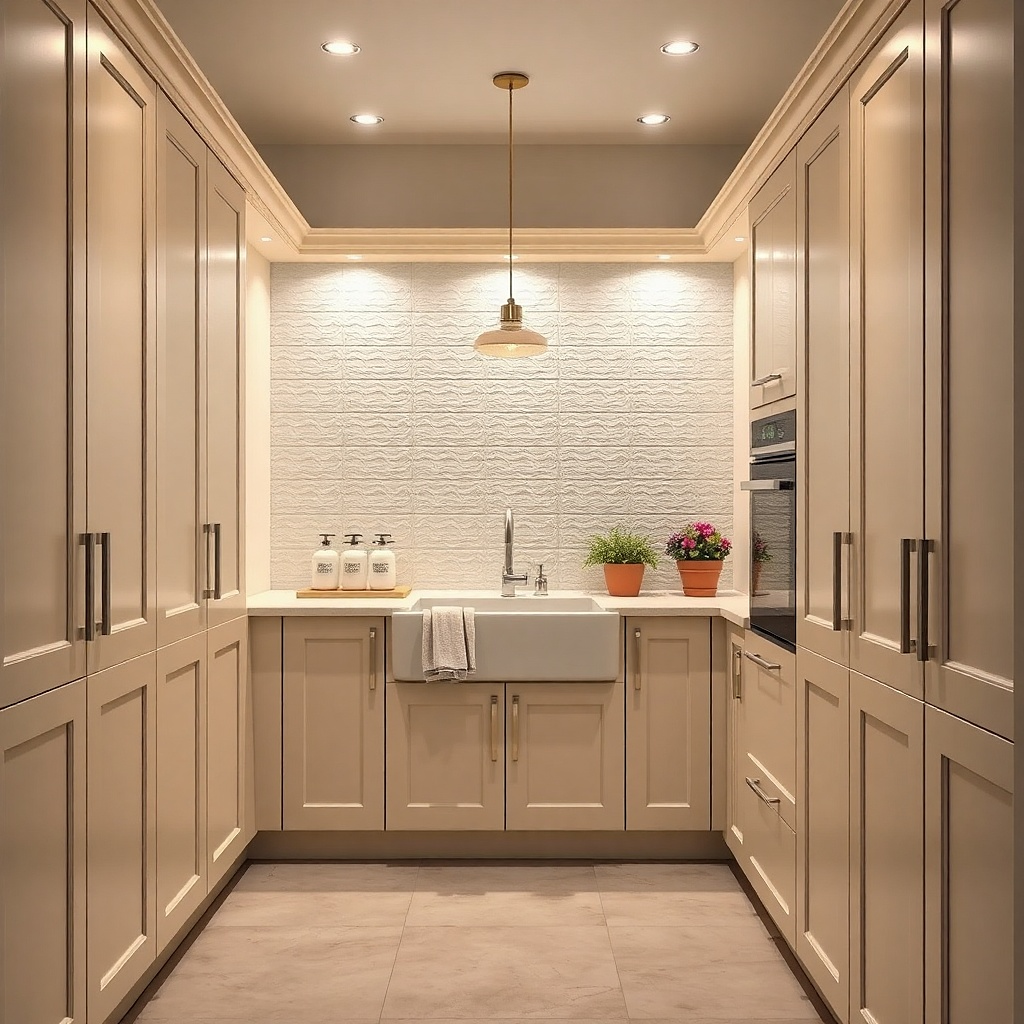
Start by choosing a paper towel holder with a stable weighted base so it does not wobble when you pull towels. Wrap the paper towel roll with a linen band that is about 3-4 inches wide — enough to cover the ends and hide the cardboard core. Place the holder on the counter lane where you naturally reach for it, usually near the stove or prep zone. Add one small ceramic tray next to it for salt, pepper, or a utensil — do not add loose items. Keep the counter surface around the holder clear for at least a 4-6 inch radius so the towel area looks tidy.
Paper towels can look ugly in a galley because they are tall, plain, and always in the way. A matte black holder makes the towel area look intentional, and wrapping the roll with linen adds softness that matches cozy textiles. The result is a functional object that does not ruin the visual calm. This works especially well when your cabinets are light and your counters are neutral, because black becomes a clean accent. It also flatters kitchens that already have matte black hardware, since everything repeats.
Common mistakeAvoid using patterned linen with loud colors. The towel corner becomes the visual chaos point.
Try thisUse a linen band with a simple seam and iron it flat. Crisp fabric reads more “designed” than wrinkled cloth.
20. Bold Moody Bohemian Galley Kitchen
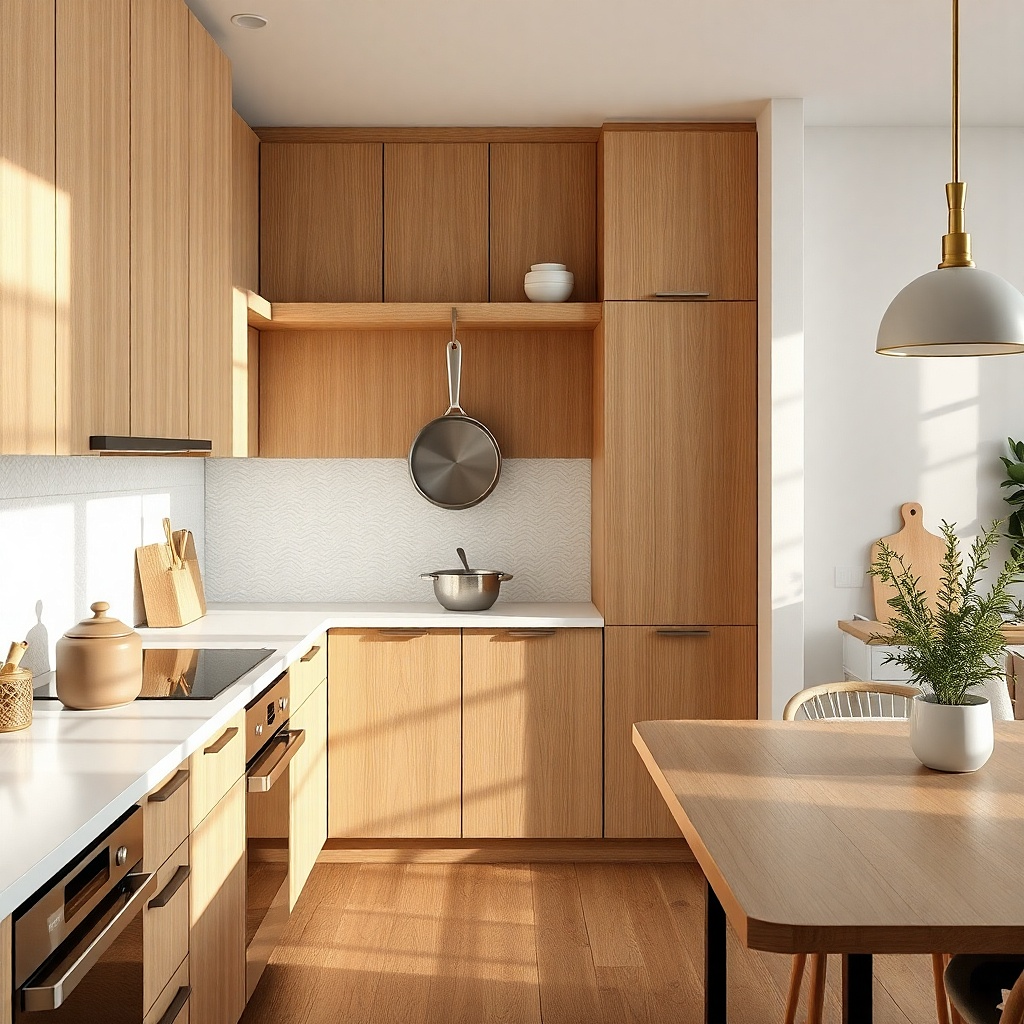
Hanging cookware can make a galley feel cozy when it is done with restraint. A warm wood hanger repeats the cozy wood tones and keeps the metal from looking cold overhead. I only hang two pieces and one ladle, because too many items make the corridor feel cluttered and noisy. This works best when your cabinets are light and you have a clear ceiling line above the cooking zone. It also flatters people who want their kitchen to look lived-in but still functional, since you can grab the pot without digging through drawers.
Start by choosing a hanger beam or rail in warm wood or a wood-finish. Mount it above the cooking run at a height that keeps pot bottoms at least 3-4 inches above your head clearance when you stand at the counter. Hang two lightweight pots or a small saucepan and a skillet with matching hooks. Add one ladle on the side so it is easy to grab while cooking. Keep the counter free of extra cookware so the hanging items stay the cozy focal point rather than extra clutter.
Use the same finish on hooks as your hardware. Repetition makes hanging cookware look designed, not improvised.
Avoid hanging heavy cast iron next to lightweight decor. The weight mismatch makes the area feel awkward and cramped.