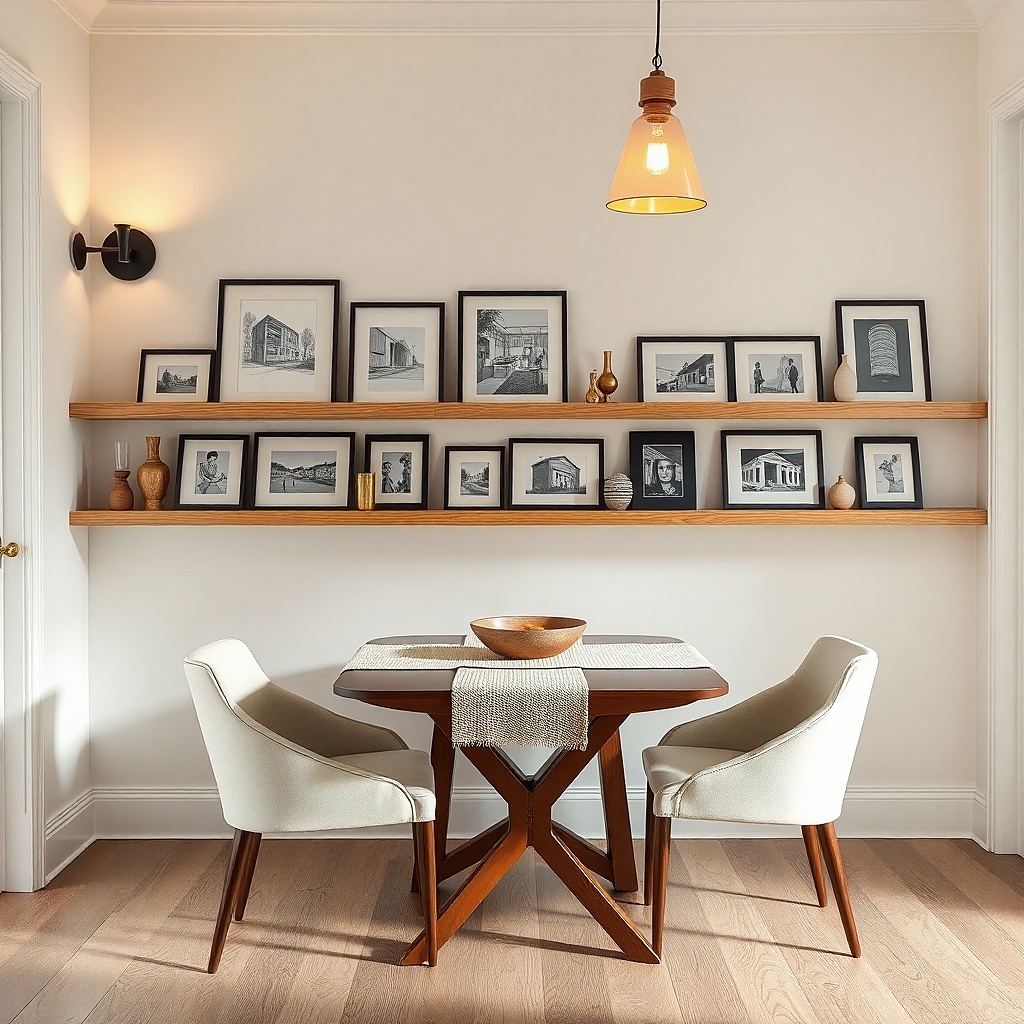
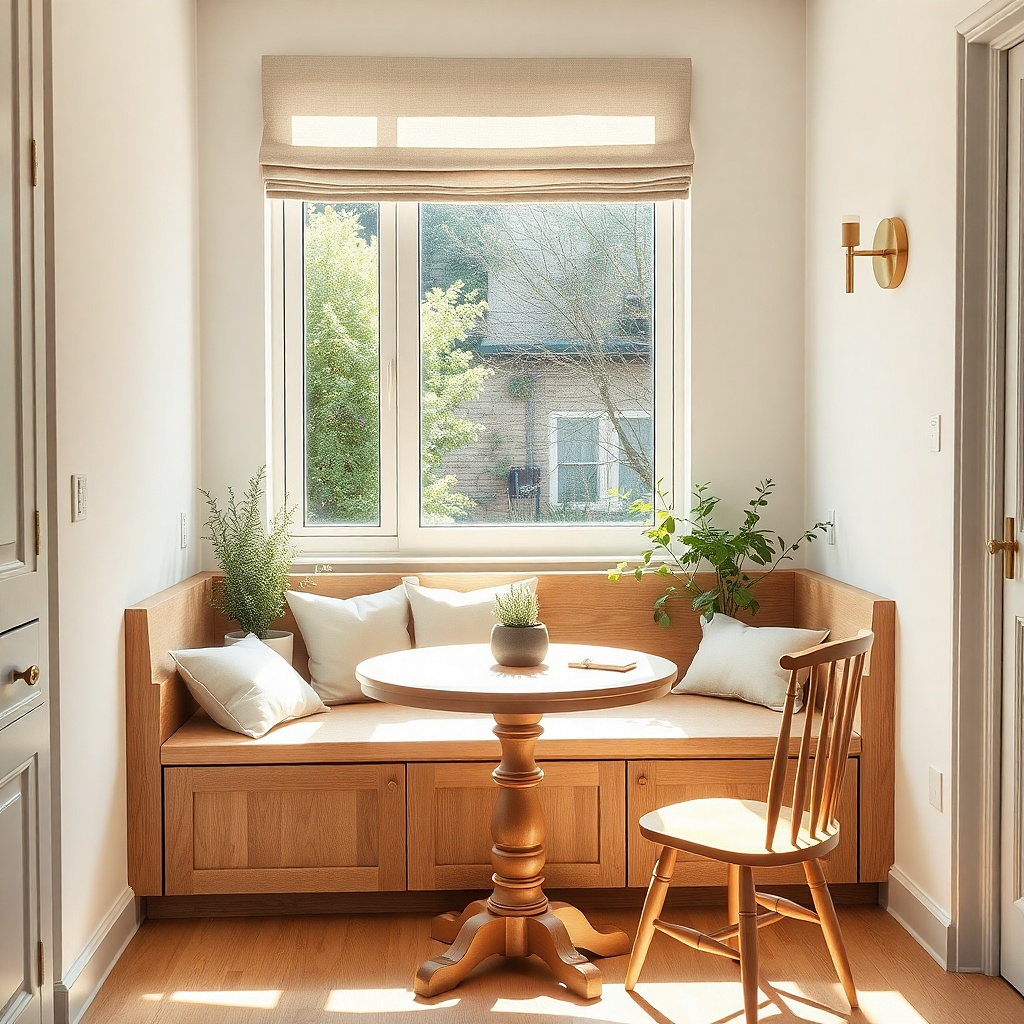
1. Round pedestal table with two-tone chairs
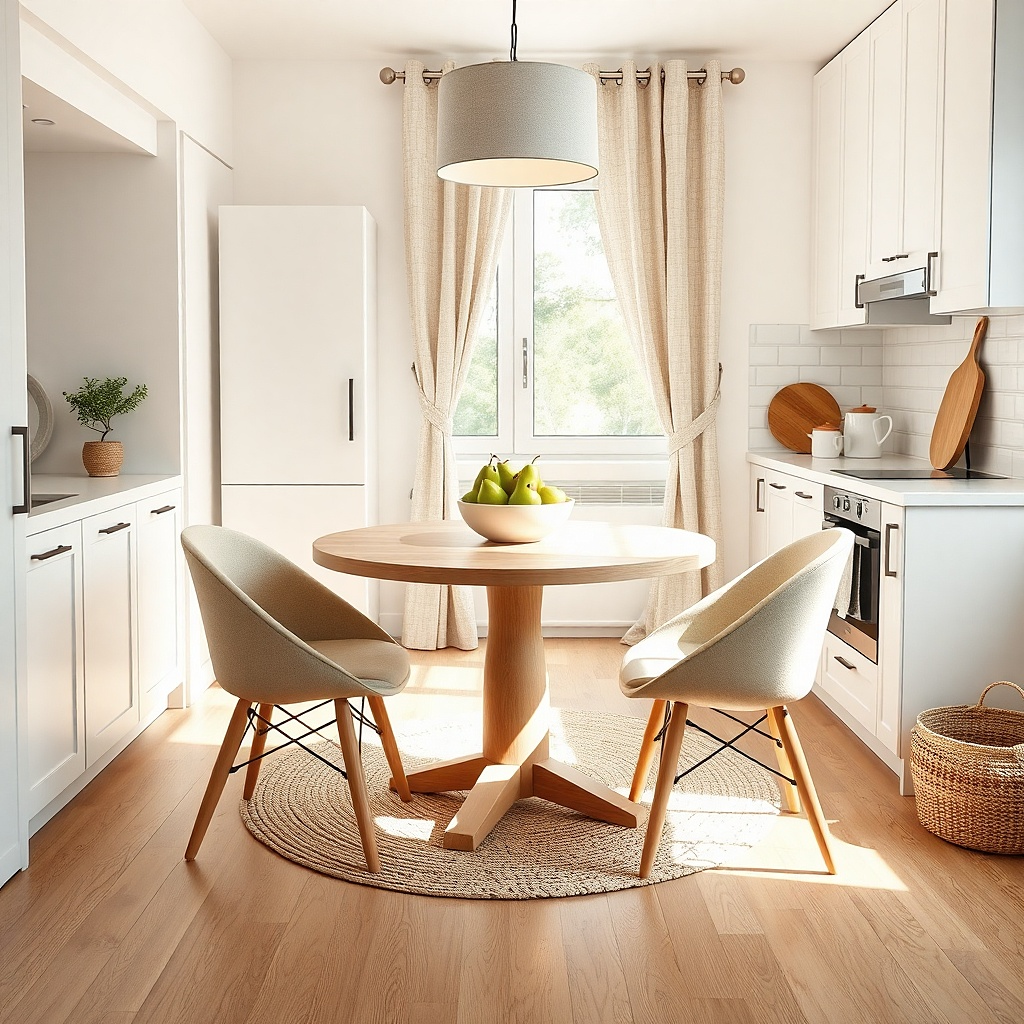
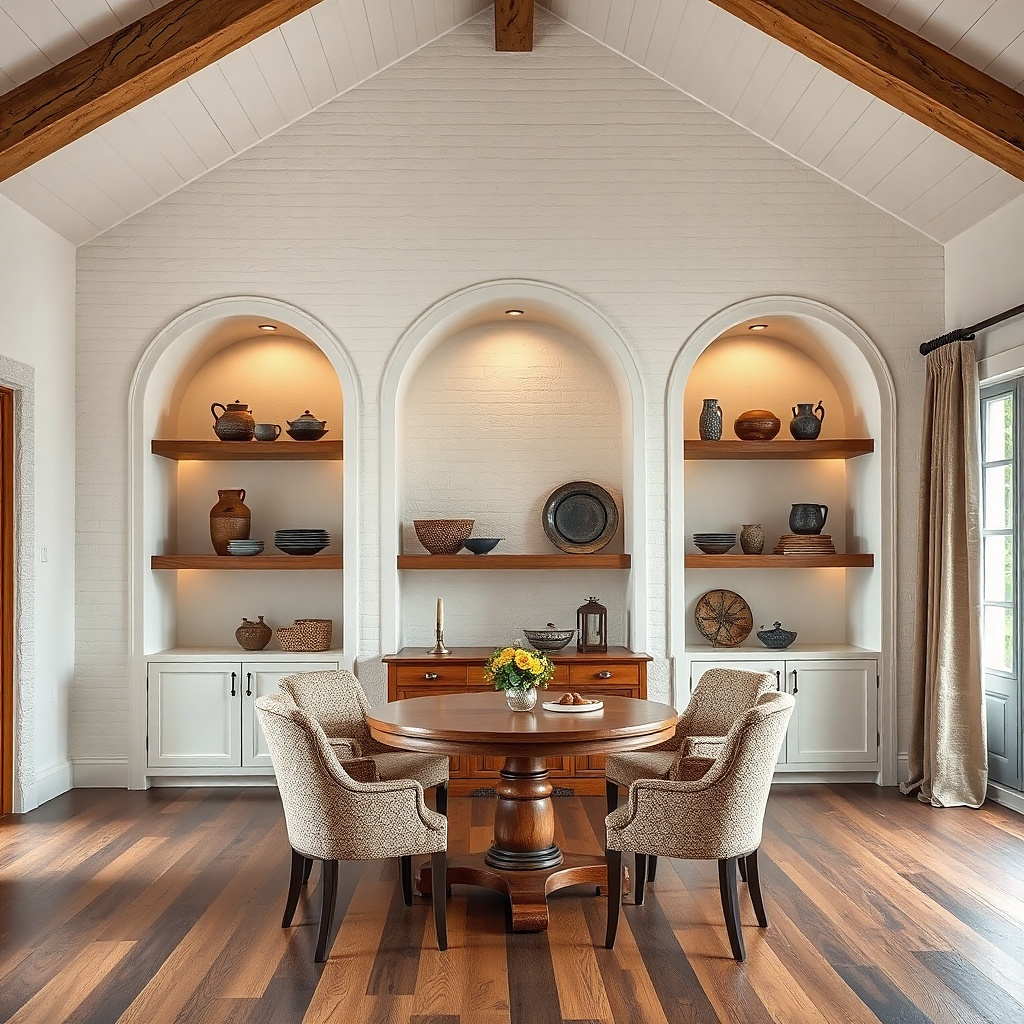
A round pedestal table is the fastest way to add dining without eating up the room. The pedestal keeps chair placement flexible because there are no table legs to snag around, and the circle shape softens the hard lines of counters and cabinets. I like pairing two upholstered chairs in cream or light oatmeal with one in a pale gray linen because it reads cozy, not mismatched. This setup flatters most body types since chair seats are easy to pull back and stand from; the soft fabric also feels forgiving when you sit for longer meals. Keep the pedestal finish light — even a satin oak — so your kitchen lighting bounces instead of swallowing the space.
Try thisPick chair legs in the same metal tone as your cabinet hardware so the corner looks “designed” instead of assembled.
Start by choosing a 36-40 inch round table so you still fit two chairs comfortably and can pull one chair out without hitting a cabinet hinge. Place the table so the outer edge leaves at least 30 inches to your main walkway; if you’re tighter, aim for 28 inches and use chairs with narrower arms. Then add a runner that’s 16-18 inches wide and centered under the table — it should peek out on both sides but not extend into the main traffic path. Finally, style the top with a single centerpiece — a low ceramic bowl or a short stack of plates — and skip tall vases that block sightlines.
Common mistakeAvoid a round table larger than 42 inches in a small kitchen; it looks fine in the store and then turns into a traffic jam at home.
2. Narrow rectangular table with bench on one side
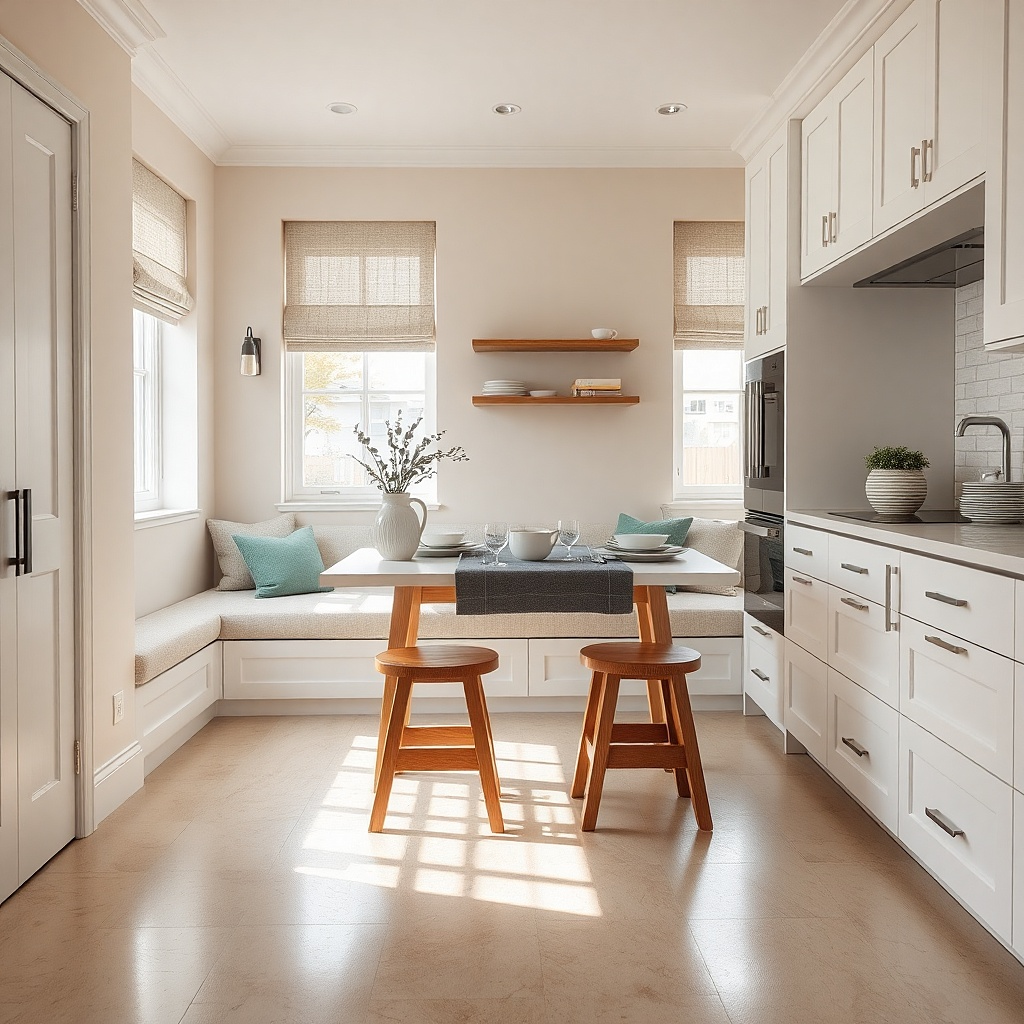
A narrow rectangular table with a bench is how you get real dining capacity in a tiny footprint. The bench lets you tuck seating in tight against the table, so you gain space without sacrificing the look of a dining area. I prefer a bench with a low back or no back because tall backs make small kitchens feel chopped up. This works especially well if you host — you can seat extra people quickly and still keep the walkway clear. For styling, choose a white-washed or pale wood top so the bench fabric and stools don’t visually weigh the room down.
Try thisUse a bench cushion with a removable cover in a textured fabric like herringbone or cotton twill; wipe spills without panic.
Start by measuring the table length you can fit while still pulling chairs out on the open side; 46-54 inches usually works when you keep the table width around 26-30 inches. Position the bench on the side with the most available wall clearance so it tucks in cleanly. Add a runner that matches the table’s width — usually 12-14 inches wide — and place placemats only on the open side where people sit. Then hang a single pendant or wall sconce above the centerline of the table so it reads like “dining,” not “random furniture.”
Common mistakeSkip bulky benches with tall backs or thick skirted bases; they add visual mass and make the table feel smaller than it is.
3. Extendable drop-leaf table with light styling
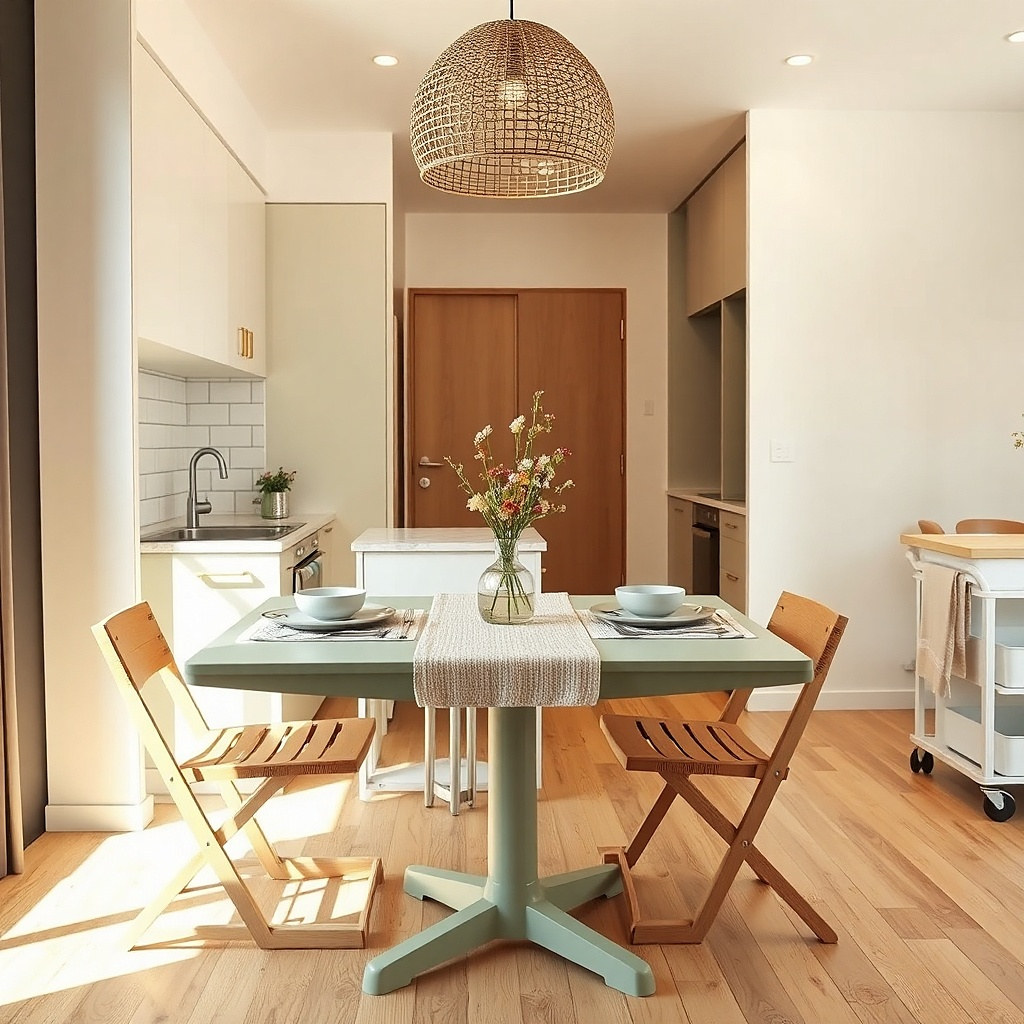
Drop-leaf tables are the honest solution when your kitchen flips between cooking mode and dining mode. When the leaves are down, the room feels open; when you open them, you get a real surface for breakfast, homework, or weeknight dinners. I like soft sage or warm off-white paint because it matches kitchen cabinets without clashing with stainless appliances. This setup is friendly for small households because you don’t need to commit to a full-time dining space. Style it with restraint: the table should look like it has a plan, not like you’re squeezing decor onto a tool.
Try thisAdd felt pads to the underside of the leaves; the table will slide less when you open it and it won’t scuff your floor.
Start by placing the closed drop leaves against a wall or tall cabinet so they don’t stick into the walkway. Open the leaves only to the width you need; for two people, fully open one side and partially open the other if your space is tight. Use a runner that’s narrow enough to stay within the open surface — measure the leaf width and cut a runner to 2-3 inches less than the table’s usable width. Finally, hang a pendant with a cord that lets you keep the shade centered even when the table is closed; the dining moment should still feel intentional.
Common mistakeAvoid heavy table skirts and thick centerpieces on a drop-leaf; they make the surface look smaller the moment you open it.
4. Wall-mounted fold-down table for a two-person nook
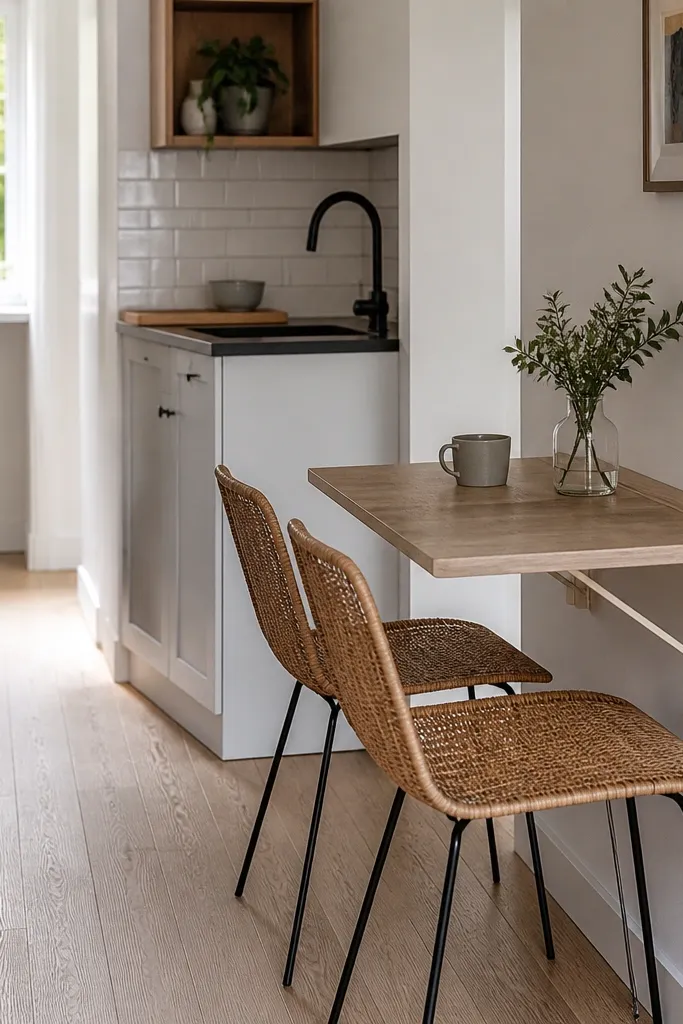
If your kitchen is so tight you feel guilty using your counters for anything, a fold-down table gives you dining without stealing floor space. It creates a clean break between “prep zone” and “eat zone,” which is why the room feels calmer. I’ve used this layout in narrow galley kitchens where the only way to dine was to set a tray on the counter — it looks messy fast. A fold-down table with a wall bracket reads built-in when you keep the finish matching the cabinet trim. It also suits smaller households because it seats two comfortably without turning into an obstacle when you’re not using it.
Try thisUse a peel-and-stick LED puck light under the wall shelf for dinner — warm white, low glare, and no wiring drama.
Start by choosing a table depth around 14-16 inches so plates don’t overhang into your walkway. Mount it at a height that matches your chair seat — most dining chairs land around 18 inches seat height, so aim for a table top around 29-30 inches. Add a light runner or a thin placemat set only when the table is open; I keep a small roll of table linen in a drawer so I can pull it out in seconds. Then hang a framed print above the table at about 57-60 inches from the floor to the center of the frame so it anchors the nook.
Common mistakeDon’t mount it too low; a low fold-down table makes your shoulders hunch and the whole dining setup feels awkward.
5. Counter-height table with backless stools
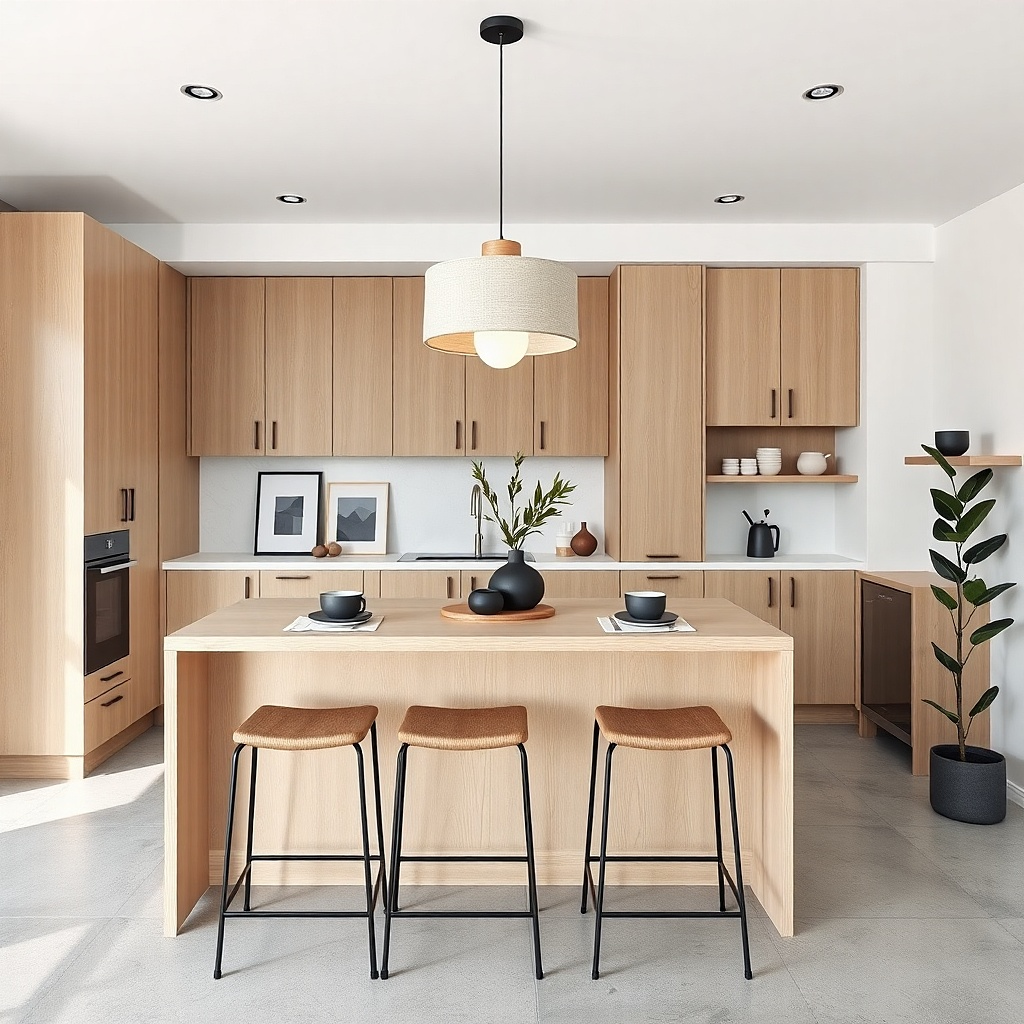
Counter-height dining changes how a small kitchen feels because it keeps seating compact and reduces the chair profile. Backless stools tuck in under the table, and you don’t get bulky chair backs blocking cabinet doors or windows. I like this setup when your kitchen already has a breakfast bar vibe — it matches the existing rhythm of the room. It’s also easier for quick meals because you don’t sink into deep seats; you stand up faster and keep the space feeling open. Choose a pale wood or light laminate top so the stools don’t look heavy against darker floors.
Start with a table height around 35 inches and stools with a seat around 25-26 inches so you have leg comfort without looking stretched. Place the table so the stool legs sit parallel to your walkway, not perpendicular — it keeps the pull-in clean. Add a single runner or placemats only; I avoid full tablecloths at counter height because they bunch visually. Hang a pendant with a drum or bell shade that sits about 30-32 inches above the tabletop, centered over where the two people sit.
Use stools with footrests in black or brass tone; it makes the set look “finished” even when it’s minimal.
Avoid tall stools with wide seats; they look fine in a showroom and then take over your walkway at home.
6. Glass-top table with thin metal legs
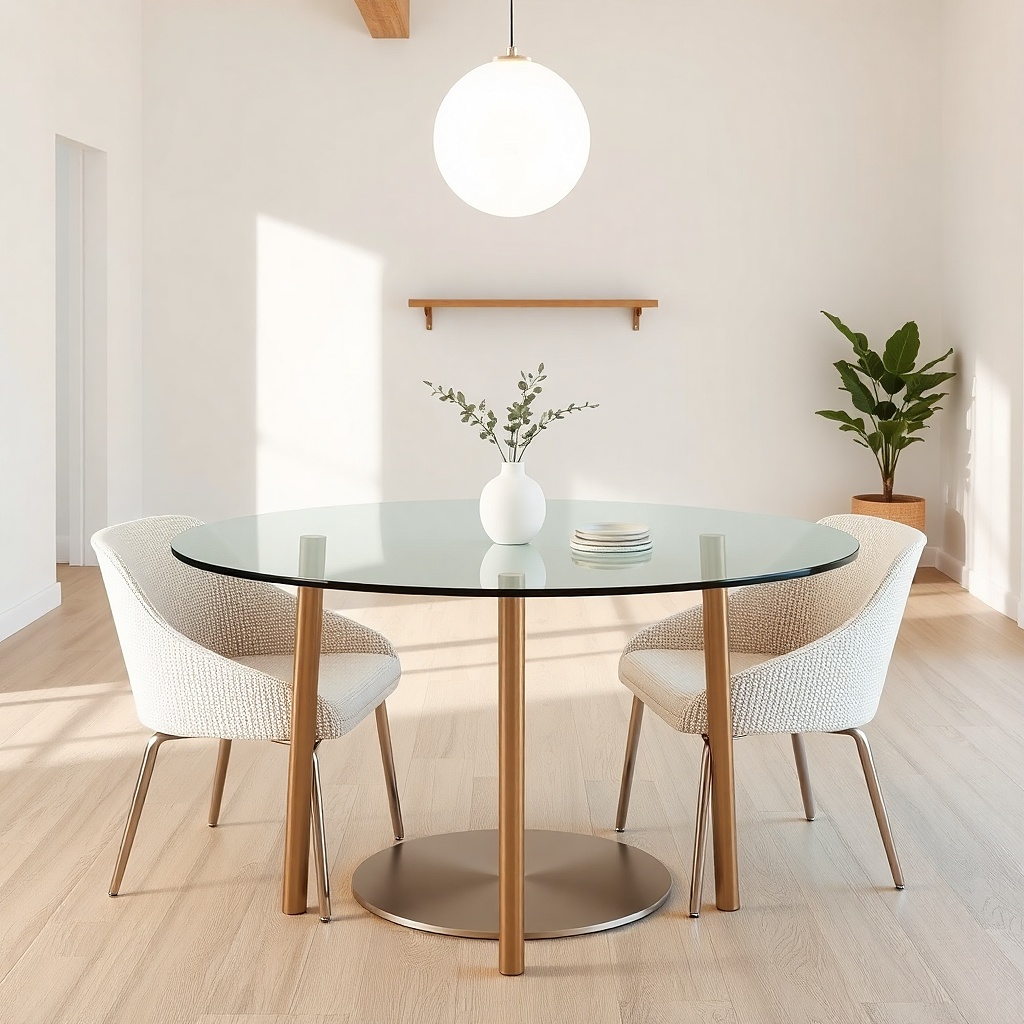
A glass-top table is my go-to when the kitchen feels too busy and you want dining without visual weight. The transparency lets your floor and rug pattern show through, so the table doesn’t feel like a big block in the middle of everything. Thin metal legs add a crisp line that matches modern cabinet hardware and stainless appliances. This setup works for most skin tones and outfit colors because there’s no heavy wood finish to clash; the room stays bright and airy. Just keep the decor low so you don’t create glare — glass looks best when the centerpiece is matte or ceramic.
Start with a glass top that’s 40 inches or smaller for a small kitchen; pair it with chairs that have simple, straight lines. Place a rug under the table sized so it extends 8-10 inches beyond the table edges on each side — it gives you a dining zone without adding furniture bulk. Style the tabletop with a ceramic tray, not a shiny metal one; place two matte placemats and keep a single vase or candle holder in the center. Then choose light bulbs that are warm white (2700K) so the glass doesn’t throw harsh reflections.
Wipe the glass with a microfiber cloth before guests — fingerprints show instantly under kitchen lighting.
Skip mirror-like tabletops or overly reflective centerpieces; they make your kitchen look messy in photos and in real life.
7. Built-in banquette style with small table drop
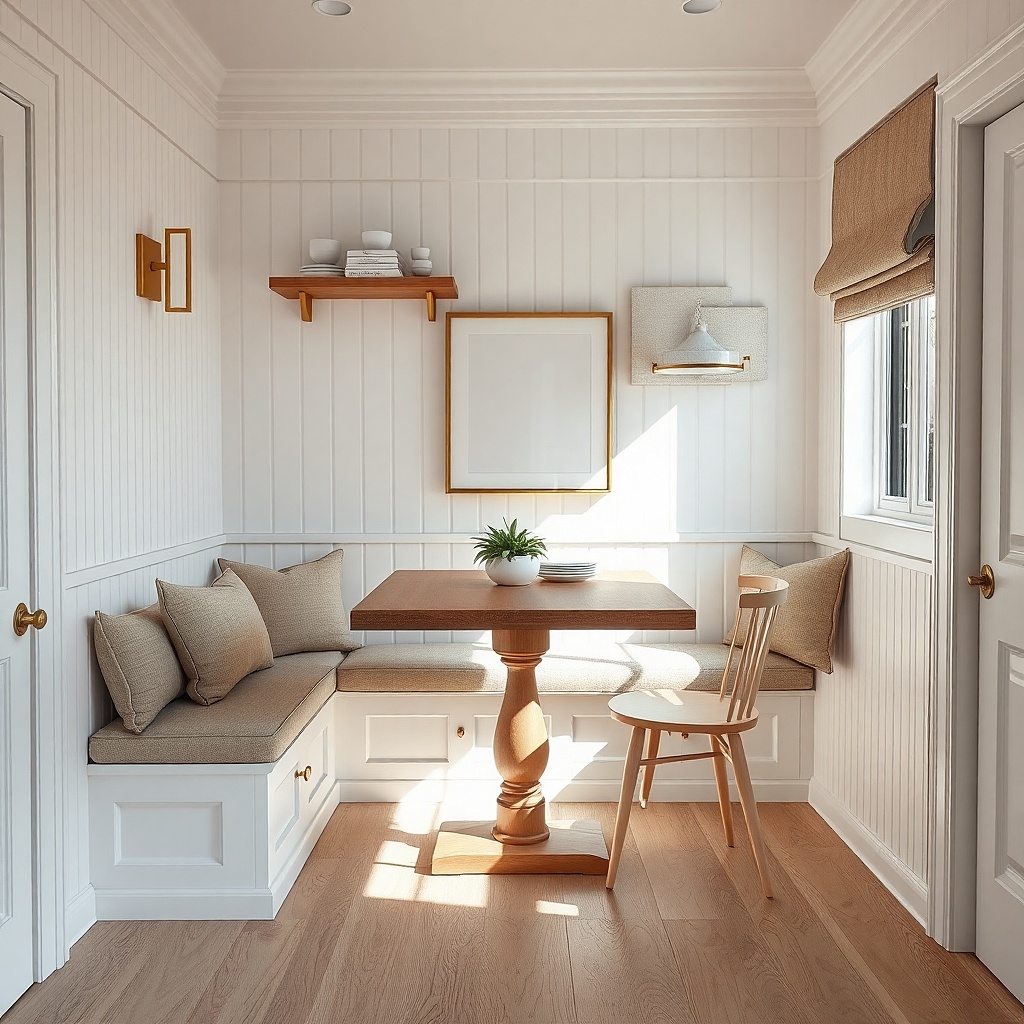
A banquette turns a corner into a dining space that looks like it belongs there. The bench hides clutter (bags, extra napkins, even a small basket) and keeps chairs to one side, which is how you gain room in a small kitchen. I like light tweed or textured performance fabric because it hides crumbs and small spills better than smooth upholstery. This setup flatters shorter people because seating is consistent and you get a stable height without wobbling chairs. If you want a “grown-up dining” feel without a big table, a banquette is the move.
Try thisUse a banquette cushion with a slight welt edge; it looks tailored and hides how small kitchens can be imperfect.
Start by anchoring the banquette along the wall with a seat depth around 18 inches so people sit comfortably without sliding toward the table. Use a table that’s 42-48 inches long and keep it centered in front of the bench — leave 28-30 inches to the walkway. Add a runner that matches the banquette fabric color palette — think oatmeal, cream, or warm gray — and center it under the table only. Then add one lighting source: a pendant above the table or a sconce near the window, with warm bulbs to make the fabric look soft.
Common mistakeAvoid slick vinyl or shiny faux leather on the banquette; it shows every scratch and looks cold in warm kitchens.
8. Single pedestal table with a statement pendant
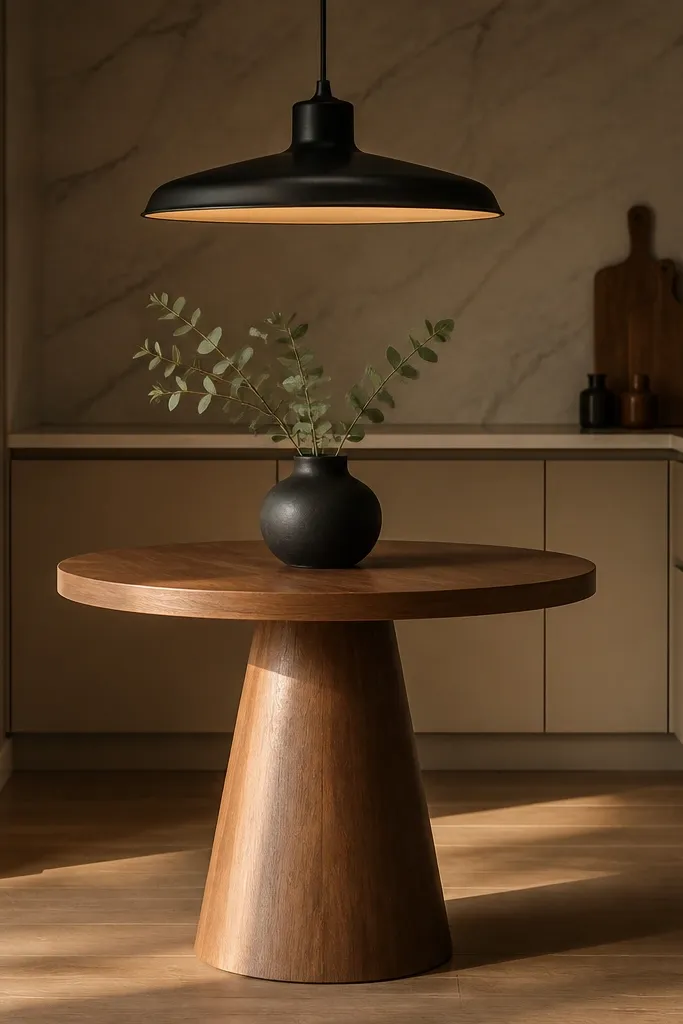
When space is tight, lighting does the heavy lifting for “dining” energy. A statement pendant makes the table feel like the focal point, so you don’t need lots of decor. I’ve used matte black pendants over walnut tables in small kitchens because the contrast looks intentional without adding visual clutter. The wide bell shape spreads light across the tabletop, which makes food and table settings look better at night. This setup works well for people who don’t want to fuss with centerpiece styling; the pendant does the work. Keep chair backs simple so the pendant reads clean against cabinets and shelves.
Start by centering the pendant over the middle of the table — measure from the table edges to the pendant hook and split the difference. Hang it so the bottom of the shade sits about 30 inches above the tabletop; go slightly higher if your kitchen has low cabinets nearby. Use a runner that’s narrow enough to show the table’s wood grain — 12-16 inches wide — and place placemats only where people sit. Finally, add one small tray or a single candle holder in the center for daytime and dinner; nothing tall that blocks the view.
Choose a bulb with a warm tint and a diffuser cover; it keeps the pendant from looking harsh on plates.
Avoid pendant shades that are too narrow; you’ll get a bright spot and a dark table edge, which makes the nook feel smaller.
9. Mirrored tray centerpiece to bounce light
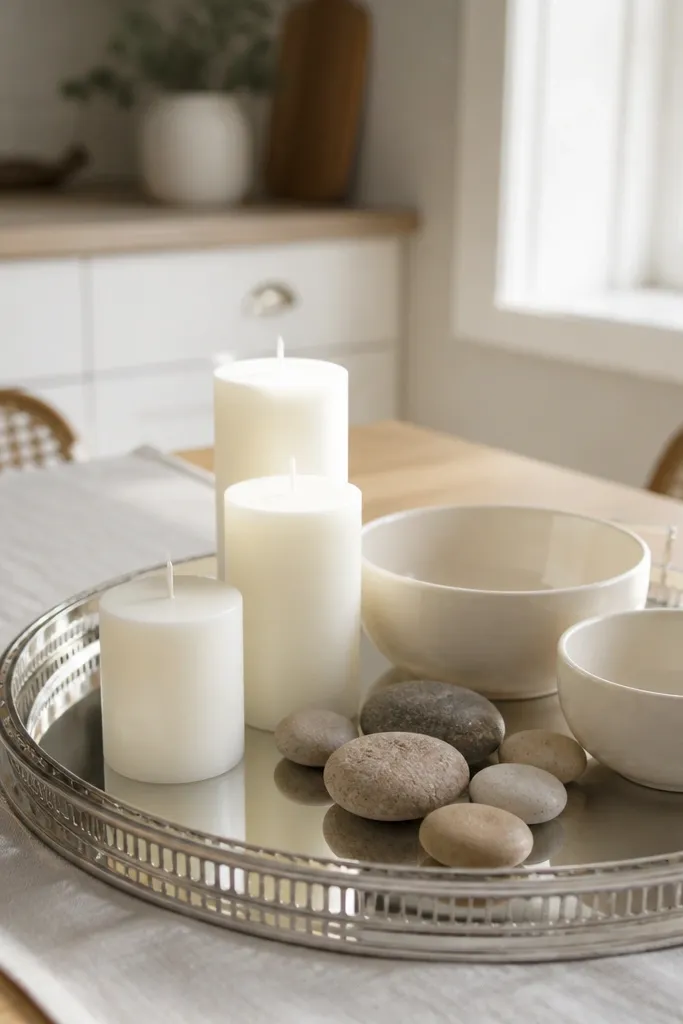
In small kitchens, the fastest way to make a dining table feel brighter is to use a reflective element that’s controlled. A mirrored tray does that without turning your whole table into a disco ball. I like it paired with matte neutrals — white candles, ceramic bowls, and a linen runner — because reflection looks classy when everything else is soft. This works for almost any kitchen color scheme, but it’s especially helpful in kitchens with one window and lots of cabinets that soak up daylight. The reflection adds depth, so the table feels like it has more dimension even when it’s physically small.
Try thisUse unscented taper candles for daily use; scented ones can look messy when they drip or smoke in small rooms.
Start by picking a tray that’s about 70% of your table width; for a small table, that’s usually 20-24 inches long. Place it centered and keep items low — candles under 6 inches tall, lemons in a ceramic bowl. Add a runner that’s 1-2 inches wider than the tray so it frames the centerpiece, not the whole tabletop. Then style the chair side closest to the window with one extra light-reflective item like a glass water carafe to amplify the bounce.
Common mistakeSkip shiny silver cutlery holders that scatter light everywhere; they look cheap when the kitchen lighting hits them.
10. Curtain panel behind the table for instant dining zone
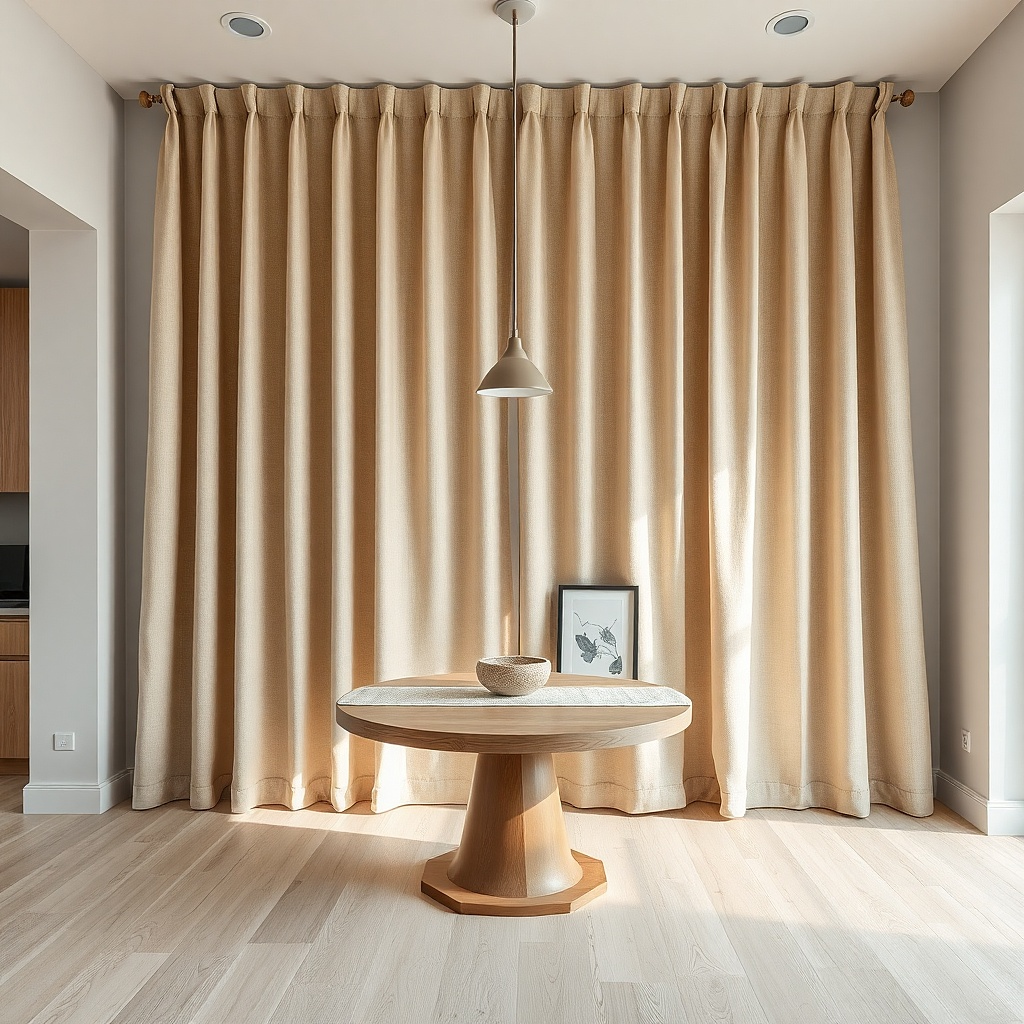
A curtain panel behind the table creates a visual boundary, and that’s what makes a small dining spot feel intentional. I’ve used linen-blend panels because they soften the line between the kitchen cabinets and the seating area. The key is keeping the curtain simple — one panel or two panels depending on window width — and keeping the color close to your walls for a calm background. This helps people who feel like their table is “floating” in an open kitchen. It also flatters smaller spaces because fabric adds softness without adding furniture bulk.
Start by hanging the curtain rod or tension rod about 4-6 inches above the window trim so it lifts the eye. Let the curtain fall to just above the table surface or slightly below the windowsill — you want it to frame, not pool. Put the table so it sits centered under the curtain’s middle line, then keep the tabletop styling low: a runner plus two placemats. Finally, choose one accent color from the curtain — like warm sand — and repeat it in a placemat or napkin ring so the whole nook looks tied together.
Press the curtain lightly with a steamer before hanging; crisp folds look more expensive than wrinkled fabric.
Avoid patterned curtains with large motifs in tiny kitchens; they visually compete with cabinets and make the table look smaller.
11. Wall shelf with a few tall items above the table
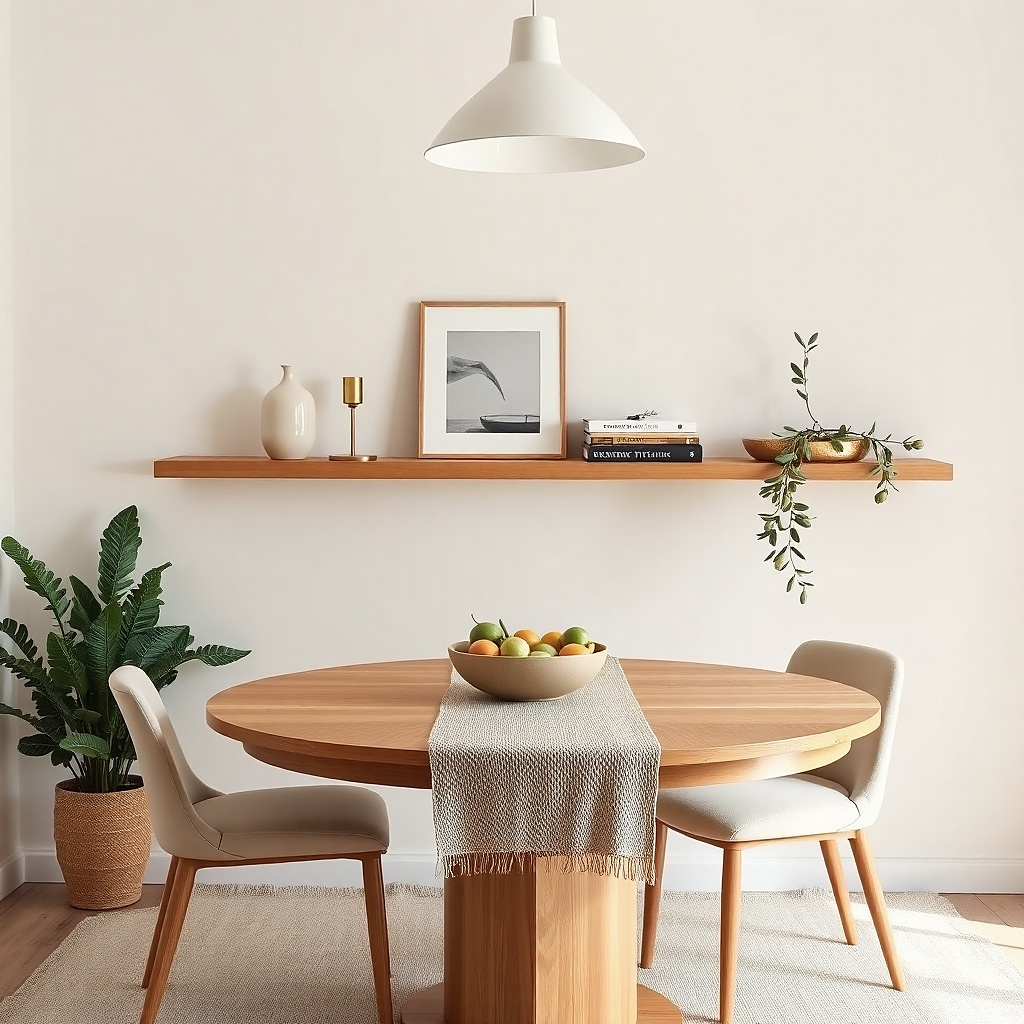
If you don’t have room for a large art piece, a shelf gives you vertical styling without taking up floor space. The trick is spacing: leave gaps between items so the shelf doesn’t look crowded. I place one tall item (a vase or bottle) and then smaller pieces on either side; the height contrast makes the table feel like part of a designed wall. This works well for people who want an aesthetic that doesn’t rely on changing seasonal decor constantly. Keep the palette to two neutrals and one warm metal tone — it stays cohesive even when you use the table daily.
Try thisWipe and dust the shelf monthly; dust on ceramic and brass looks worse than you think under kitchen lighting.
Start by measuring the table width and placing the shelf so it’s centered above it; shelf length often lands around 2/3 to 3/4 of table width. Use command-strip shelf brackets only if your wall is strong drywall; otherwise anchor properly. Style from the back: put the tall vase in the center, then add a small framed piece and a candlestick on opposite sides with equal spacing. On the table, use a runner in the same light color family as the wall and keep the center clean — a single tray or bowl is enough.
Common mistakeAvoid putting more than five items on a small shelf; it reads cluttered even when the pieces are “nice.”
12. Peg rail utensil + dining styling combo
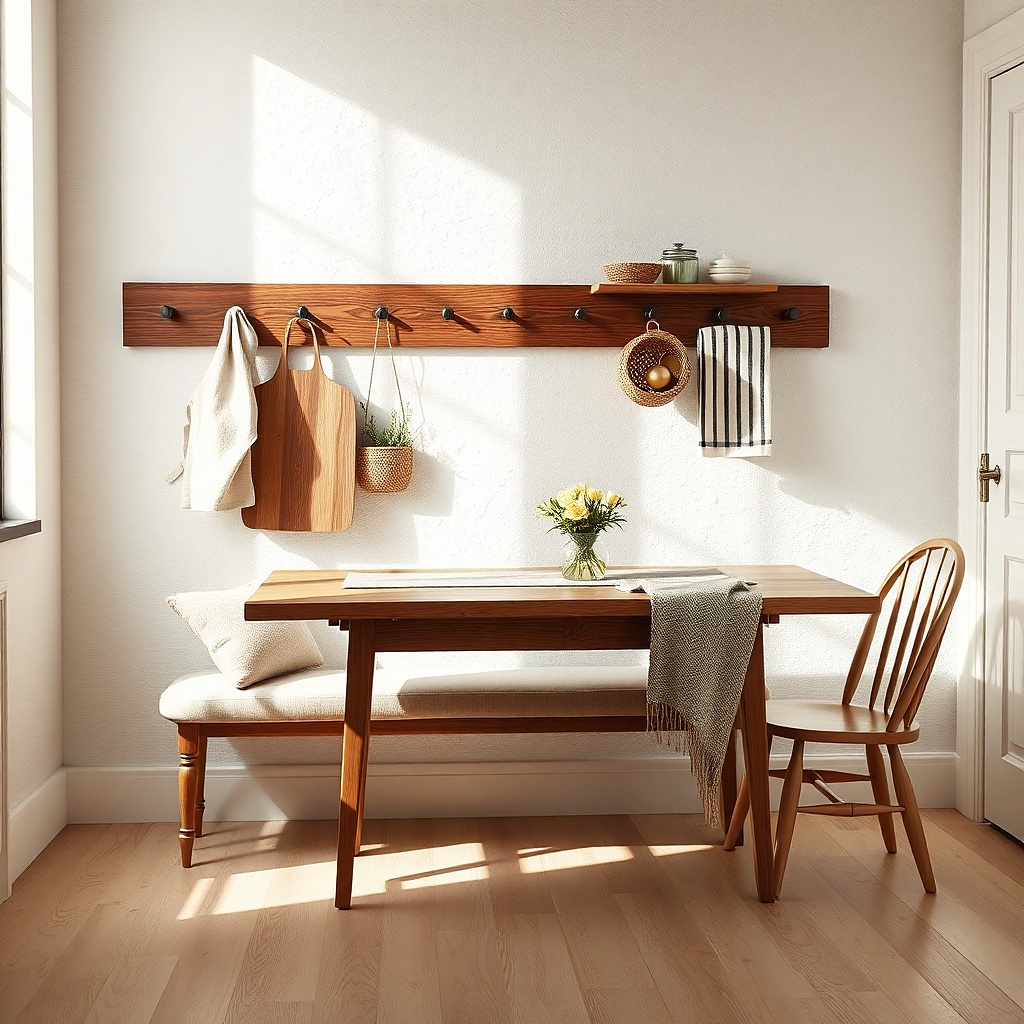
This is a practical idea that also looks styled: use a peg rail for utensils near the dining spot so the wall doesn’t look empty. In small kitchens, empty wall space makes the table look like it’s intruding, because the eye doesn’t have a background story. I like peg rails because they turn “storage” into decor — warm wood handles and brushed metal look good even at a distance. This works best when your dining table sits near the wall, so hanging pieces don’t block the walkway. It also flatters busy households; you can keep the table calm while the wall holds the functional clutter in a controlled way.
Try thisUse small plant pots or a herb bundle in a simple terra cotta pot to add warmth without adding extra objects.
Start by installing a peg rail at about 72 inches from the floor so utensils sit around eye level when you stand. Hang only the pieces you use weekly — ladle, whisk, spatula — and keep their spacing even across the rail. Place the table so the peg rail aligns with the center of the tabletop; it creates a clean vertical line. Then style the dining table with one consistent color — white plates and a black runner — and add a single small ceramic accessory to match the utensil metals.
Common mistakeAvoid hanging every utensil you own; too many hooks look like a storage dump.
13. Tabletop wallpapered backdrop with a simple runner
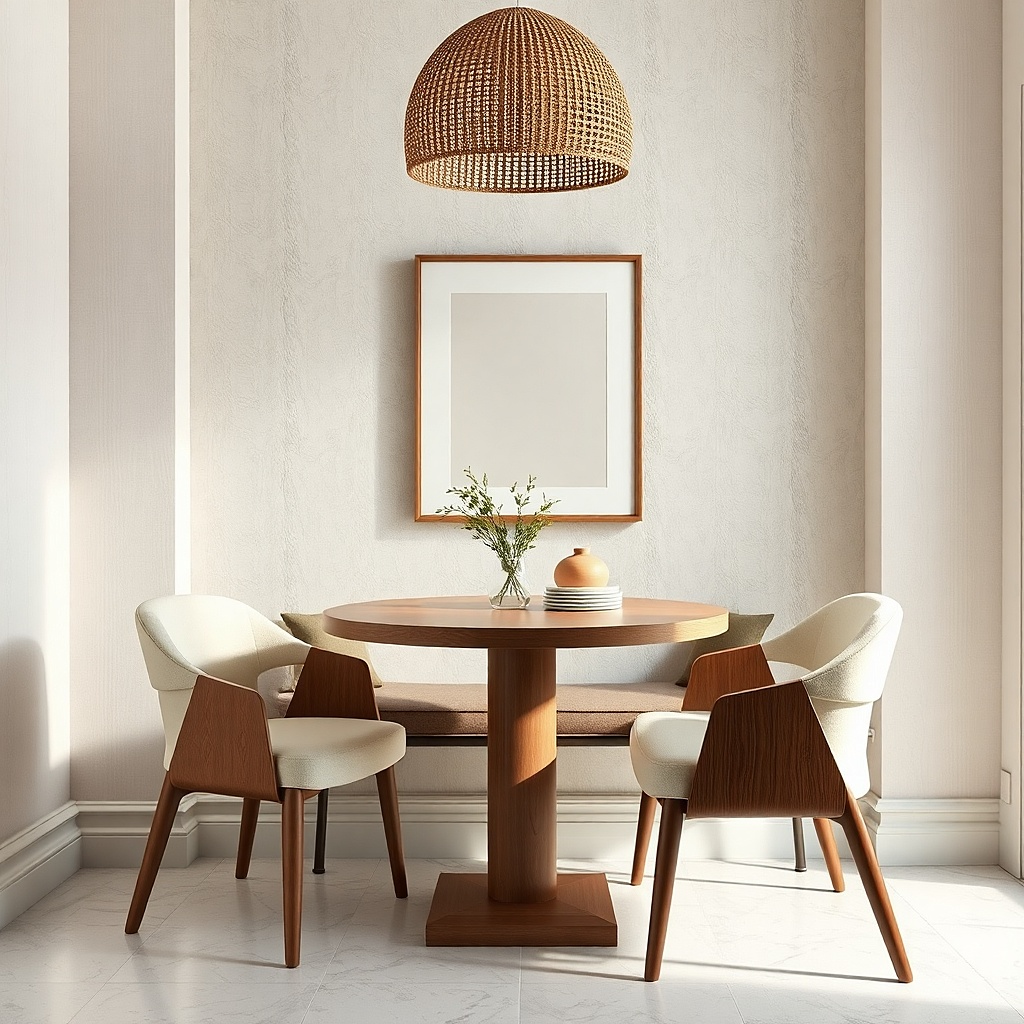
A removable wallpaper panel behind the table is the quickest way to make a small dining area feel “built in.” You don’t need a full room makeover; a single vertical rectangle behind the chair area gives your eyes something to land on. I like subtle patterns with a matte finish because they don’t throw glare over plates. This setup flatters kitchens with plain walls and makes the table look like it belongs in a nook, not in the middle of a work zone. Keep the tabletop styling simple so the pattern stays the star.
Start by measuring the wall area behind the table from about 10 inches above the table surface to just above chair back height. Choose a removable wallpaper that has a small-scale pattern so it doesn’t compete with cabinet doors. Apply it straight — use a level line and smooth from the center outward so the pattern lines up with the table edge. Then put a narrow runner centered on the tabletop and match placemats to one wallpaper color — usually cream, taupe, or warm gray. Hang a pendant or use a wall sconce so the wallpaper doesn’t look flat at night.
Seal the wallpaper edges with a clear trim sealer if your kitchen gets steam; it keeps corners from peeling.
Avoid glossy wallpaper; it looks cheap under overhead kitchen lighting and makes the table feel visually busy.
14. Neutral linen tablecloth with a cut-out fit
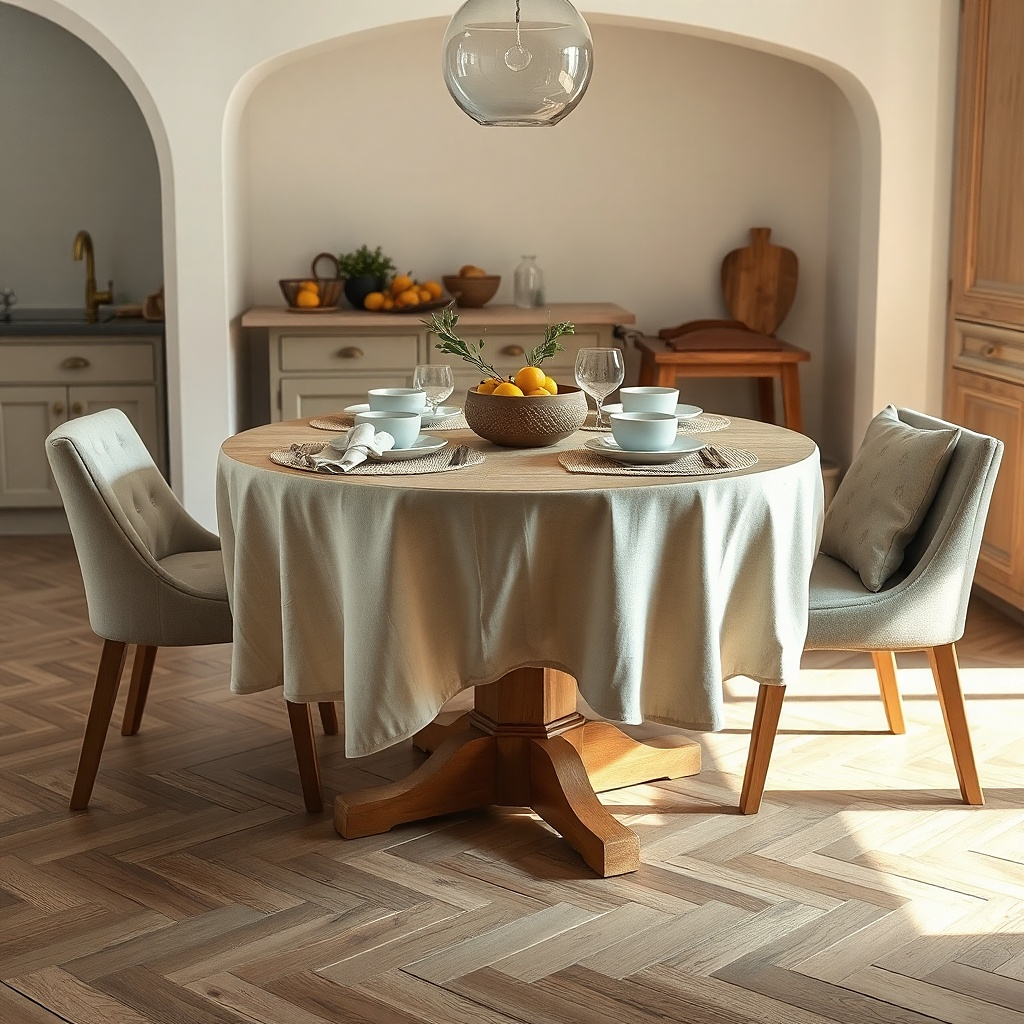
In a small kitchen, tablecloths can either make things feel cozy or make them look messy. The difference is fit. I use neutral linen because it drapes with weight and hides small imperfections better than thin cotton, and it looks right with wood, tile, and stainless. A cut-out approach — where the cloth sits neatly around the chair leg area — keeps the fabric from bunching when chairs move in and out. This is great for people who want dining to look “done” for everyday meals, not just holidays. Linen also handles steam and crumbs better than slick synthetics.
Start by measuring the drop from the tabletop to where you want the cloth to end. For small kitchens, aim for 1-2 inches above the chair seat level and keep the hem around 2-3 inches above the floor so it doesn’t catch on shoes. Drape the linen and mark where chair legs sit; then create small, neat slits or tuck points so legs slide without fabric snagging. Use a low centerpiece only — a bud vase or a small candle tray — and keep napkins folded and placed close to plates. Finally, steam the tablecloth so the drape looks intentional.
Use linen spray starch lightly before ironing; it keeps the folds crisp around chair movement.
Avoid long tablecloths that puddle on the floor; they turn a small dining table into a trip hazard and look sloppy fast.
15. Open shelving plate display next to the table
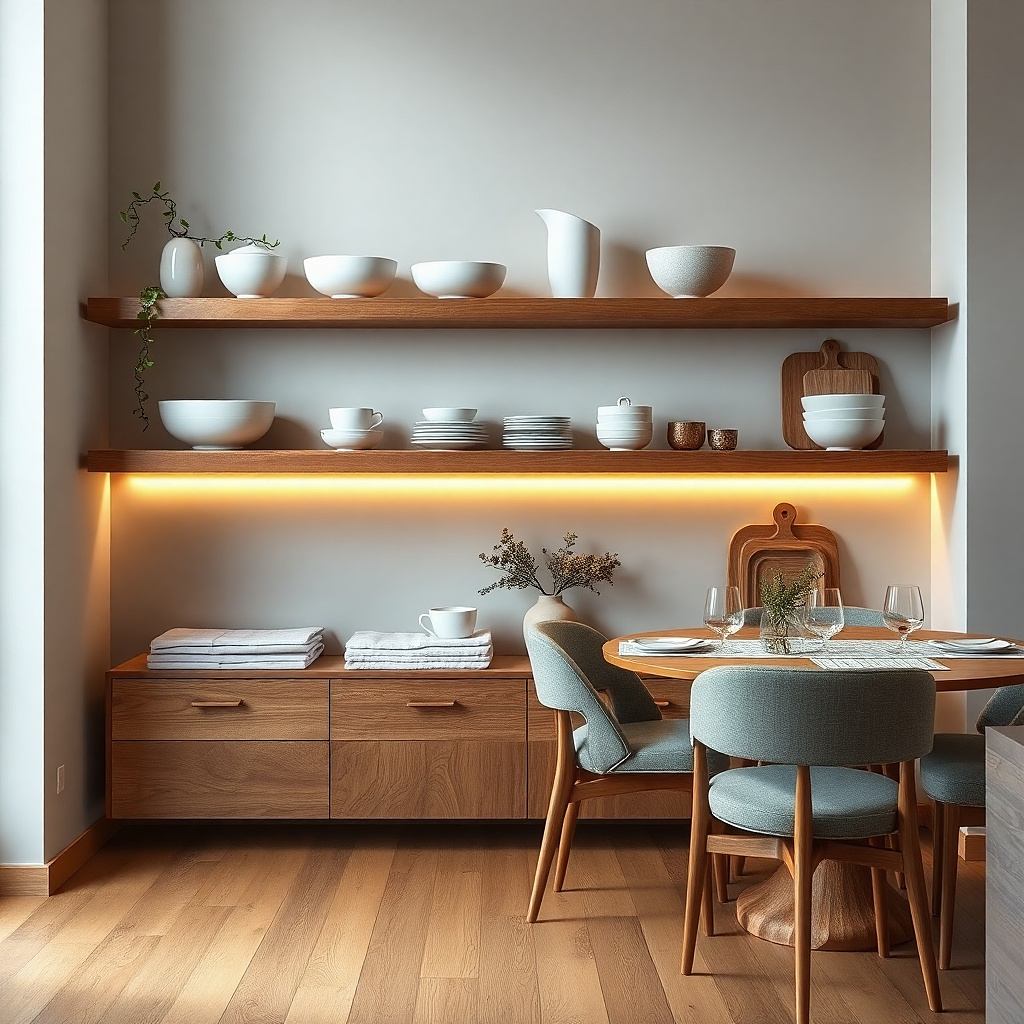
If your dining table is small, your decor needs a nearby home that doesn’t crowd the tabletop. Open shelving next to the table gives you a visual “collection” that makes the whole area feel styled and lived-in. I keep plates in a tight color family — mostly white, with one warm cream or light stone piece — so it looks curated without looking themed. This works well for anyone who hates constantly setting the table and resetting decor; plates and bowls do the styling automatically. It also flatters small kitchens because shelves pull the eye upward, away from the tight floor plan.
Start by choosing shelf height that puts the top plate lip around 60-66 inches from the floor. Arrange plates in a stagger: three upright plates in the middle, then two smaller bowls on the sides. Add one woven tray or linen basket for napkins so they don’t look scattered. On the table, keep it minimal: a runner, two placemats, and one small centerpiece no taller than 6 inches. Keep the distance between shelves and table consistent so the arrangement reads like a set, not separate furniture.
Use plate stands or risers so upright plates don’t slide; it keeps the display looking neat for months.
Avoid mixing five different plate patterns; it looks like storage and makes the table look like an afterthought.
16. Color-block runner with matching napkins
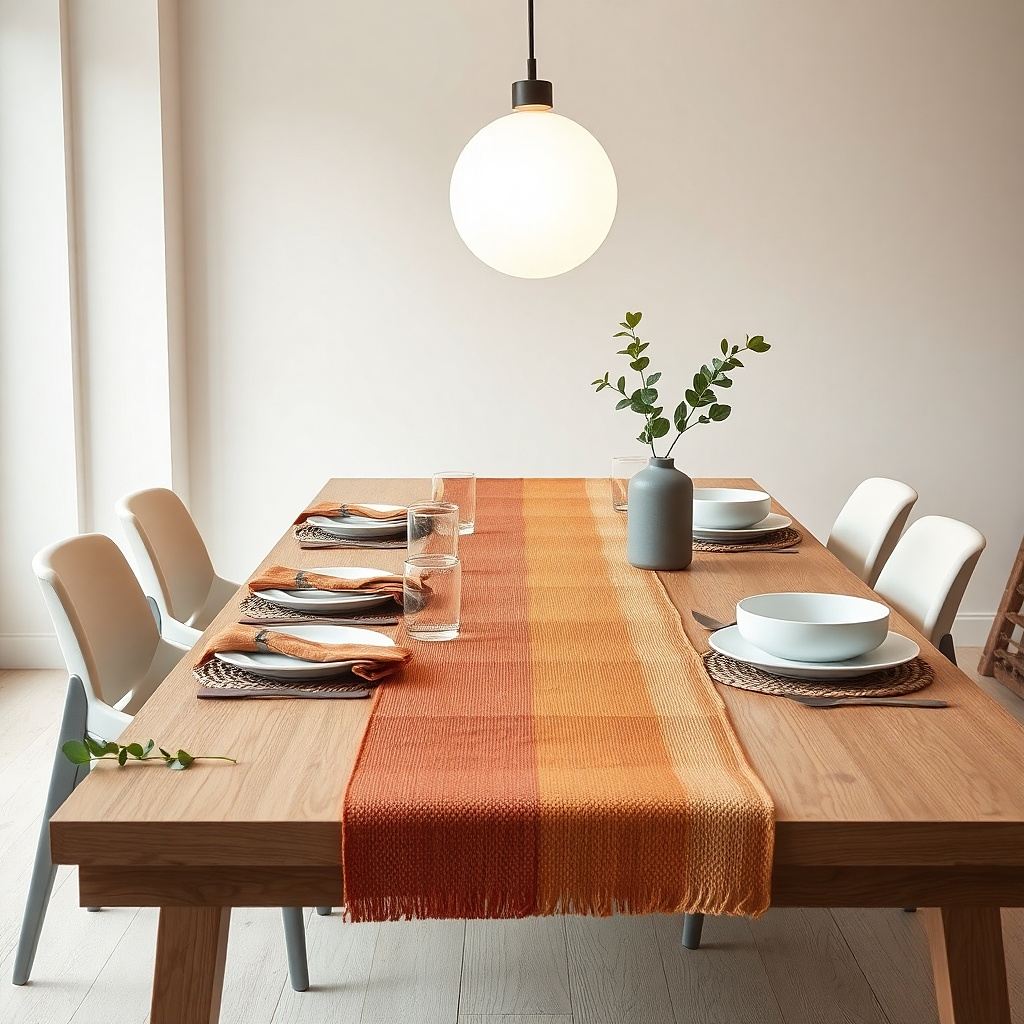
Color-block textiles are the easiest way to make a small dining table look intentional without adding more furniture. I use runners because they anchor the table visually in a narrow space, and the color-block pattern creates a focal point even when your centerpiece is tiny. Pair the runner with napkins in the same terracotta, olive, or navy family so the set looks coordinated. This approach flatters kitchens with lots of beige cabinets because it adds warmth and contrast without overwhelming the room. It also helps if you have a plain tabletop — the texture and color do the work.
Try thisWash and iron the runner before styling; color-block edges look sharp when the fabric is flat.
Start by choosing a runner that’s narrow — about 12-16 inches — and centered under the plates. Place placemats either in matching cream or in a solid that matches one block color. Fold napkins into a simple square and keep them near the inner plate edge so they don’t spill into the walkway. For the centerpiece, use something small and matte — like a ceramic jar or a low bud vase — and keep it in the same color family as the runner. Then check the look from the doorway; if the runner reads clearly, you’ve got the right scale.
Common mistakeAvoid adding extra decor on top of the runner; the runner is the statement and the table should stay calm.
17. Two-tone placemats and a single-height centerpiece
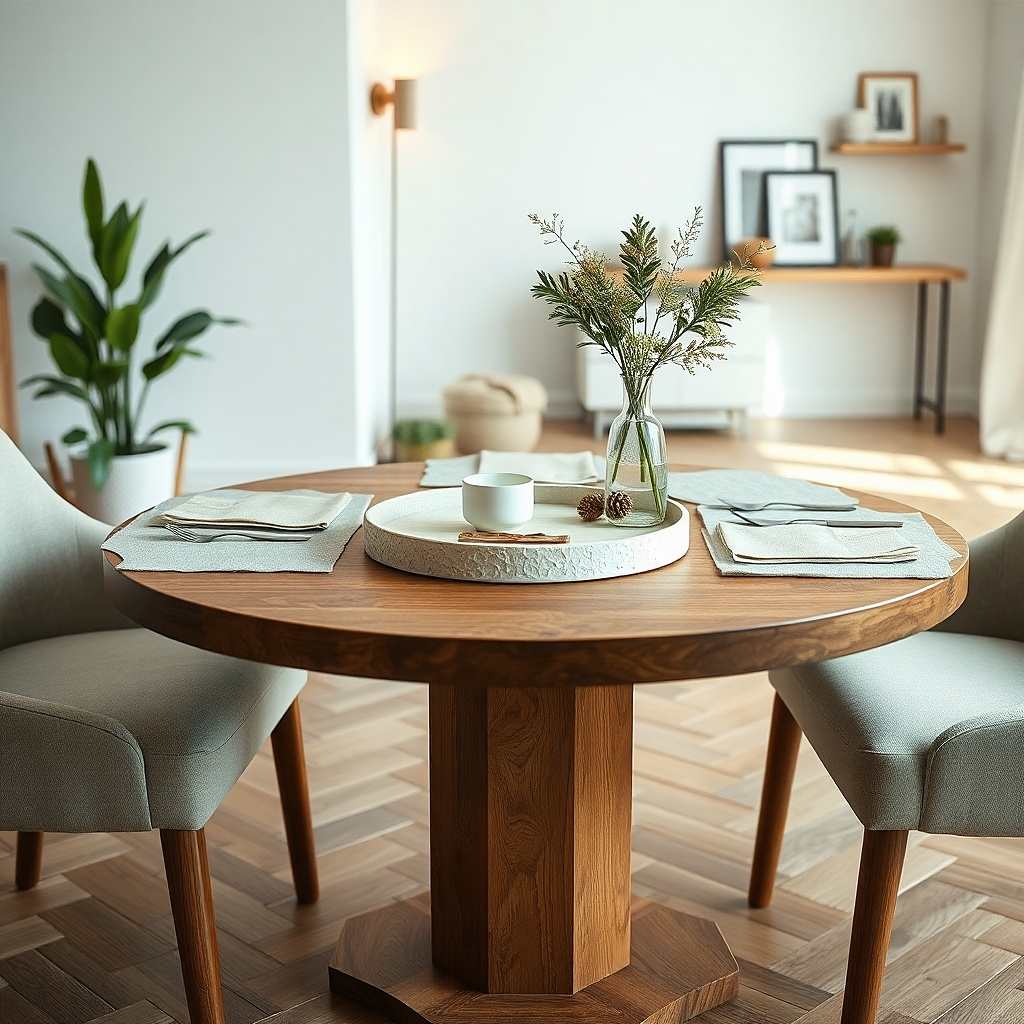
When your table is small, the centerpiece needs to be the right height and the right shape. A slim, single-height centerpiece keeps the visual line clean, so the room doesn’t look crowded by vertical objects. Two-tone placemats work because they add structure at the table level without needing a full tablecloth. I like pairing light wood-toned placemats with pale gray — it matches most cabinet finishes and stainless appliances. This is a great option for people who entertain casually because it looks styled even when you’re just doing everyday meals. It also flatters small spaces because it keeps negative space around plates, which makes everything look bigger.
Start by placing placemats first — one per seat — and keep them centered under each person’s plate. Choose a centerpiece that’s under 8 inches tall and placed exactly in the middle, not off to one side. Add a shallow tray under the centerpiece if your table is glossy; it keeps wax drips or spills from ruining the finish. Skip a full runner if the table is very narrow; use placemats plus a small under-tray instead. Finally, set cutlery and glasses so the table has symmetry; symmetry reads “designed” in small rooms.
Use candle holders with a matte finish; glossy metal reflects harsh kitchen light and makes the centerpiece look messy.
Avoid tall vases or stacked books in the center; they block sightlines and make the table feel smaller.