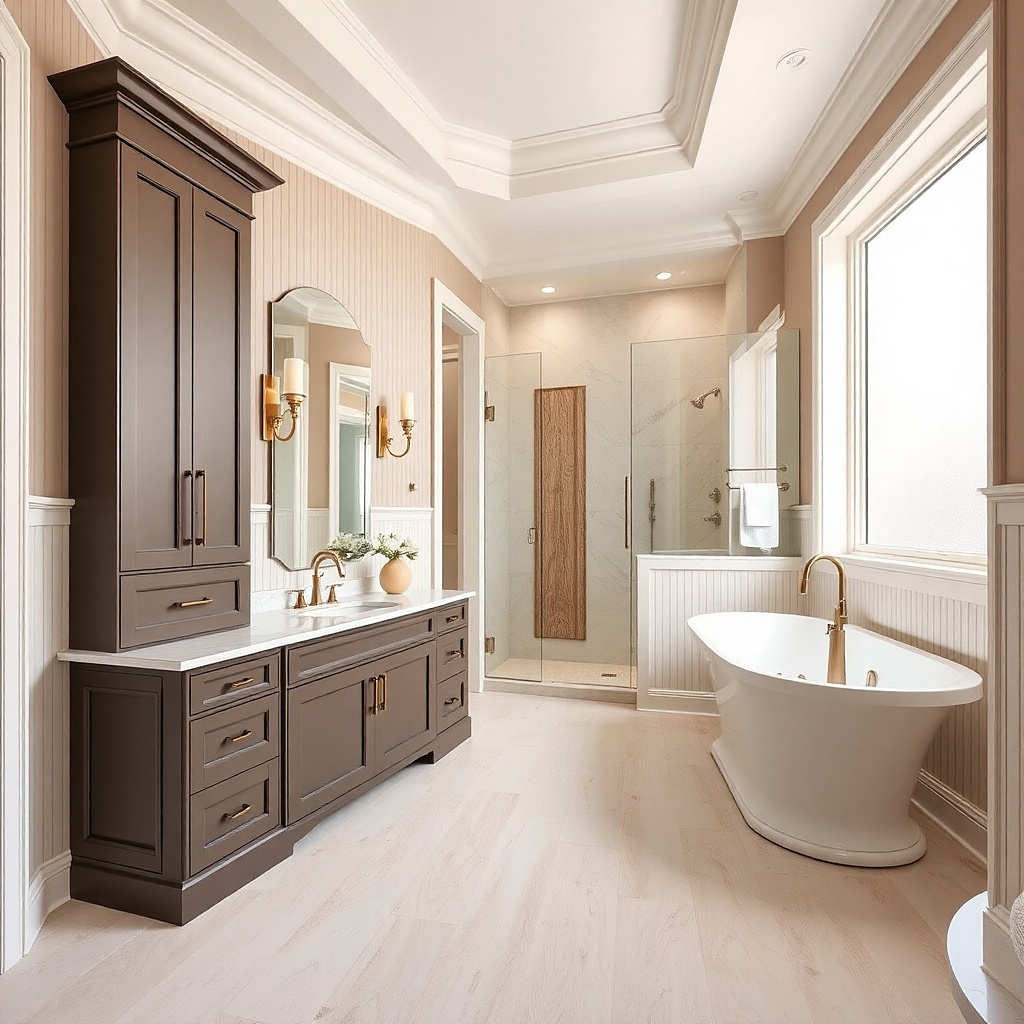
1. Satin-lacquer shaker vanity with quartz top and undermount sink
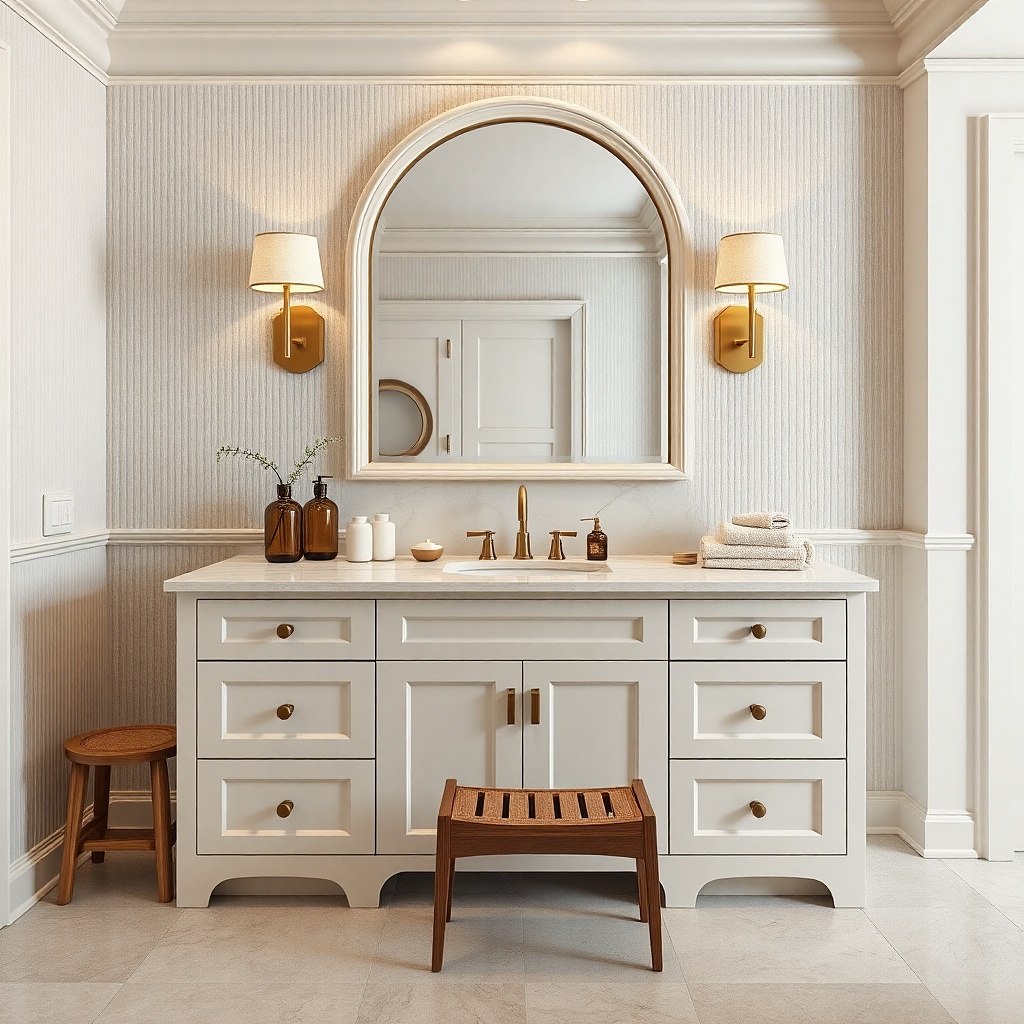
This setup works for busy households because the cabinet finish is meant for repeated wipe-downs and the quartz top resists hard-water marks. Satin-lacquer doors hide fingerprints better than glossy paint, so you don’t feel like you’re constantly cleaning smudges. Quartz also handles daily splashes without turning cloudy or stained, which is a common problem with cheaper stone-look materials. Pair it with a straightforward undermount sink bowl so there’s no exposed rim catching toothpaste residue.
First, choose a vanity with a sealed satin-lacquer coating on the doors and drawers, not bare wood or thin veneer. Then order a quartz countertop with a tight undermount installation and ask for silicone caulk that matches the sink edge area; after install, do one careful wipe around the seam. Finally, keep the plumbing clearance in mind: aim for a vanity depth around 20-22 inches so you can reach the faucet and wipe the backsplash without leaning over the sink.
Use a microfiber cloth and a spray that’s safe for quartz; wipe in one pass and dry with a clean towel to prevent water spots.
Don’t choose a glossy finish if you hate fingerprints; it shows every touch.
2. Two-drawer floating vanity with sealed laminate and integrated sink
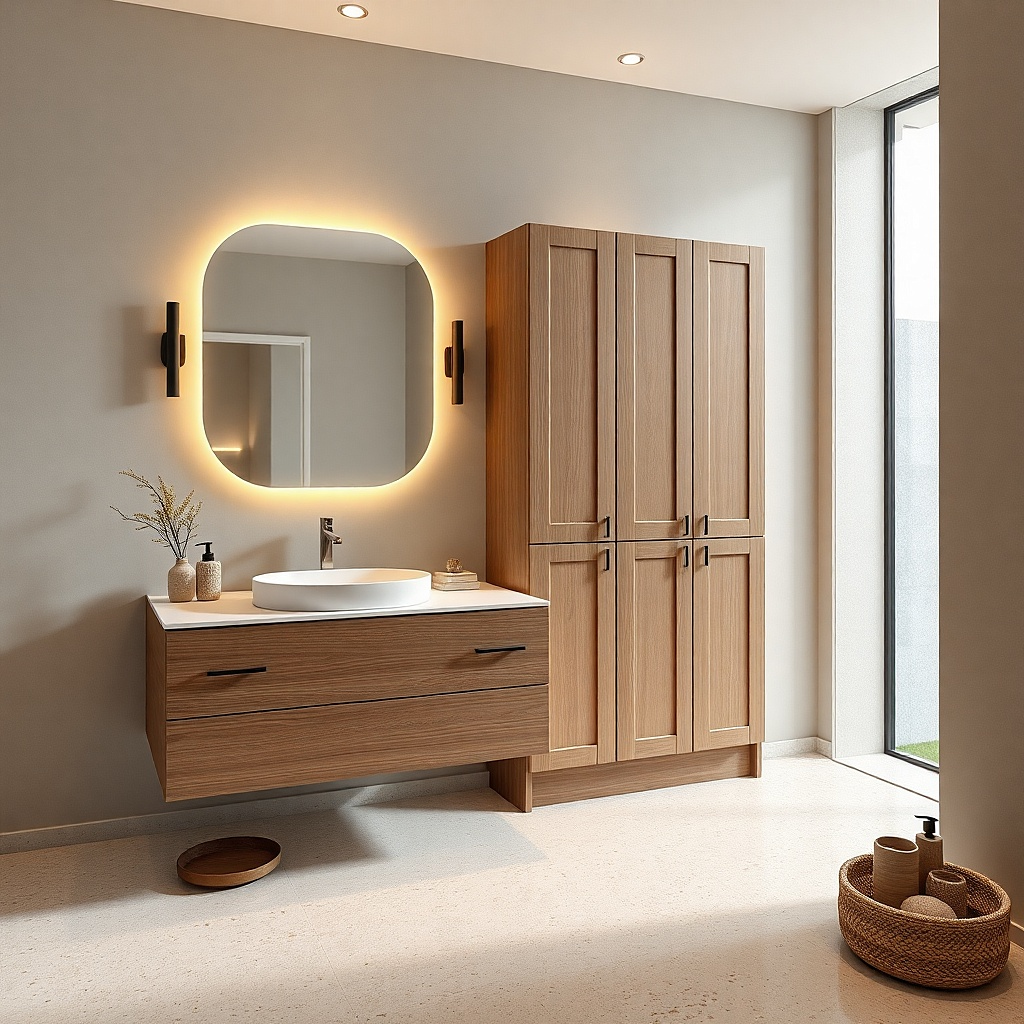
A floating vanity is low-maintenance because it’s easy to clean underneath, so dust and hair don’t build up behind the legs. With sealed laminate and an integrated sink, you remove the rim where gunk settles and you avoid the seam hassle of undermount bowls. Two wide drawers keep toiletries off the counter, which reduces the number of surfaces that need wiping. This layout is especially good for smaller bathrooms where you want storage without adding clutter.
Start by selecting a floating vanity that’s rated for bathroom moisture and has sealed edges on the laminate. Then install with a proper mounting rail into studs, keeping the unit level; a slight tilt makes water pool at the sink. Finally, choose an integrated sink top and confirm the drain and overflow are accessible from the cabinet opening so you can clear clogs without tearing everything apart.
Try thisAdd a thin rubber mat inside the drawers under bottles; it reduces scraping and makes spills easier to wipe out.
Common mistakeAvoid open shelving under the sink if you want true low-maintenance; it collects damp clutter fast.
3. Tall storage cabinet-style vanity with full-height doors and water-resistant interior
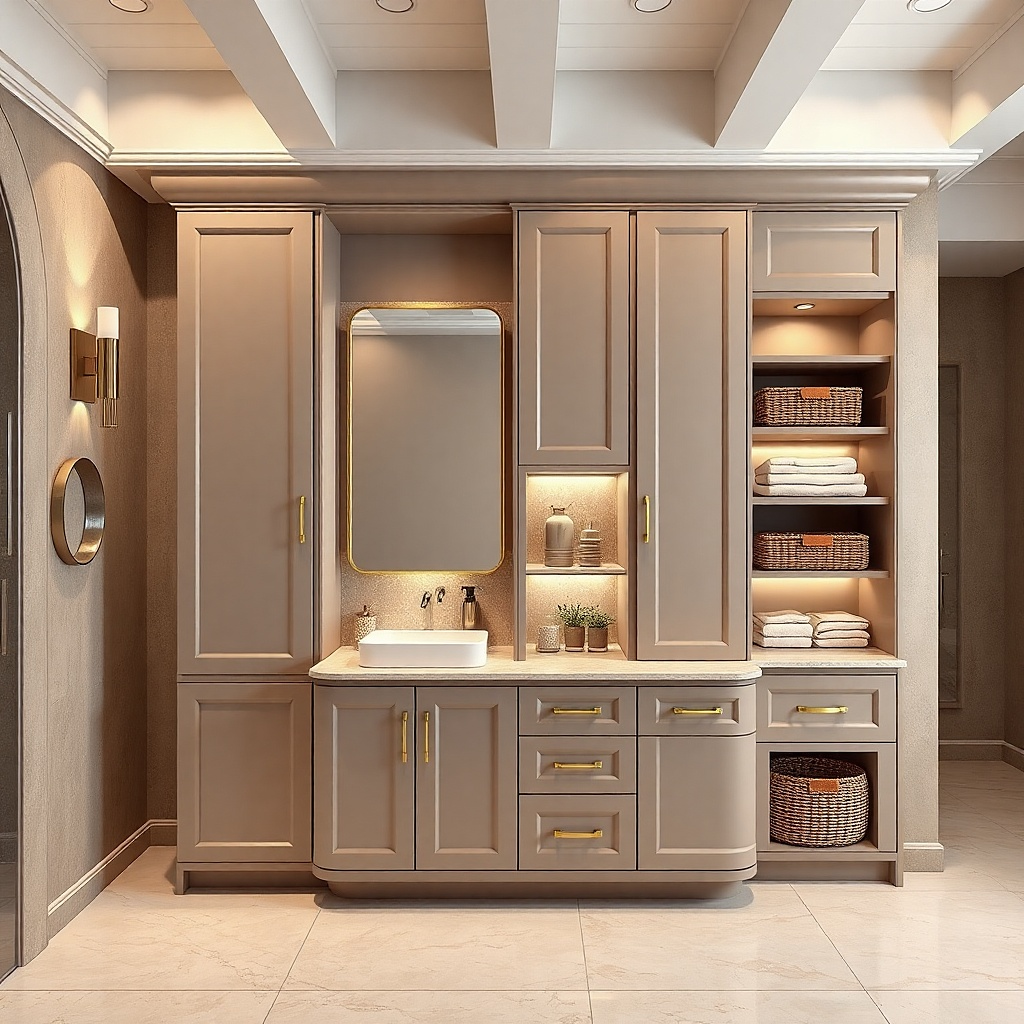
If your problem is messy counters and scattered bottles, a tall cabinet-style vanity with full-height doors is a practical fix. The door fronts hide clutter instantly and reduce the number of surfaces exposed to splashes. Look for a water-resistant interior lining around the sink area and shelves that are coated or sealed, not raw particleboard. This design also makes cleaning easier because you can wipe the front and top without dealing with a bunch of small pull-out pieces.
Pick a vanity height that suits your comfort, then choose a countertop height that matches your typical sink use; most people land best around 32-34 inches to the top of the counter. Next, select interior shelves with a sealed finish and install a removable tray under the faucet zone for quick wipe-downs. Finally, keep the countertop clear by using the tall cabinet for daily items and reserve the counter for a soap pump and one tray only.
Install door-mounted bottle holders inside the cabinet so the bottles don’t tip and soak the shelf edges.
Don’t rely on paper liners inside cabinet drawers; they absorb moisture and smell.
4. Matte ceramic tile-front vanity with sealed grout-free panels
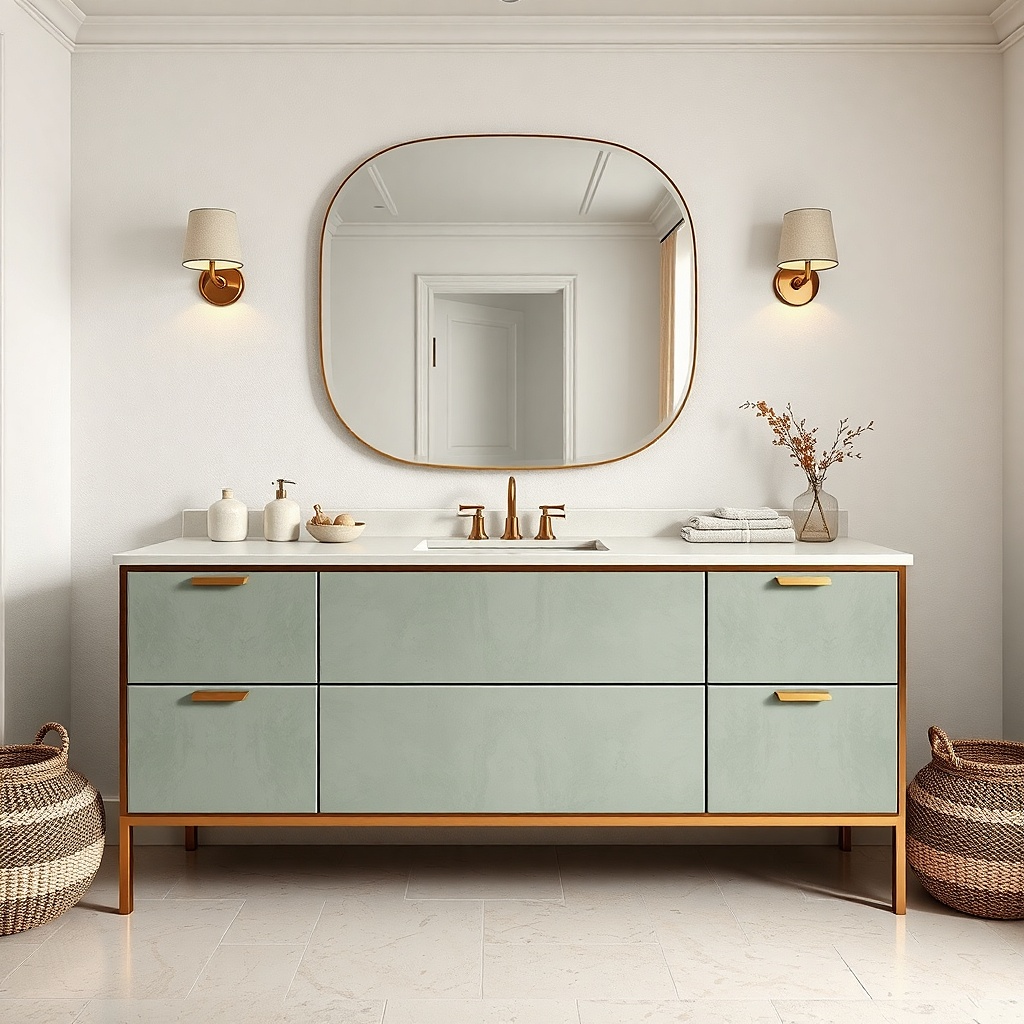
Tile-front vanities look tough because they are, but the low-maintenance version is about grout management. Choose a design that uses large-format panels or a grout-free tile system so you’re not scrubbing grout lines every month. Matte ceramic hides minor scuffs and water streaks better than glossy finishes. Combine it with a smooth countertop like quartz or a sealed solid surface so you’re wiping a few big surfaces, not dozens of tiny lines.
Choose a vanity front with large-format tile panels or a sealed tile system, and confirm the surface is rated for bathroom moisture. Then select a countertop that doesn’t require special polishing — quartz or sealed solid surface is the easiest. Finally, after installation, seal any tile-to-counter transitions and keep the caulk line clean because that’s where leaks show first.
Try thisUse a spray designed for hard surfaces and keep a dedicated toothbrush for only the caulk line, not the tile itself.
Common mistakeAvoid small mosaic tiles on vanity fronts if you want low maintenance; grout is work.
5. Waterfall-edge solid surface vanity with top-mounted sink
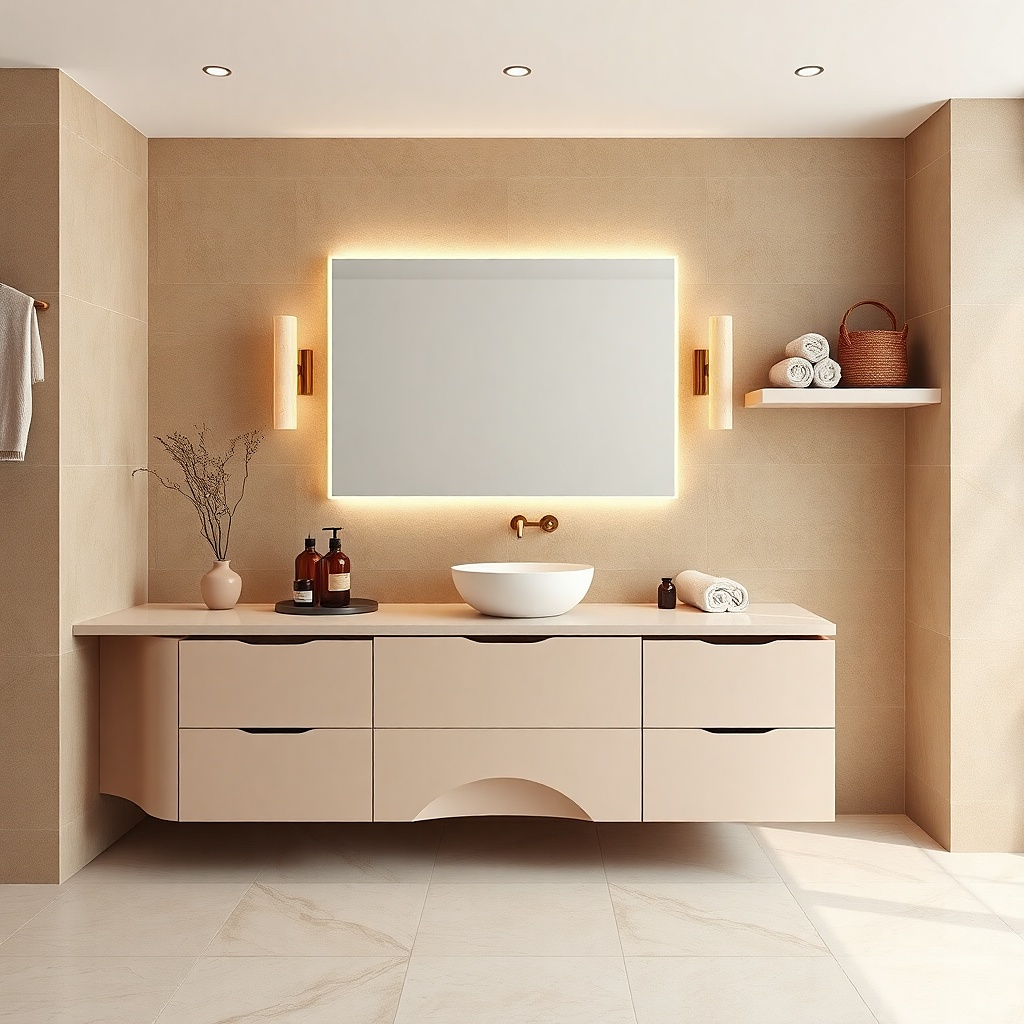
A solid surface top with a waterfall edge is low-maintenance because it’s one continuous material around the basin area, which reduces seam problems. Top-mounted sinks are also easier to clean around because there’s less risk of grime hiding under the edge. The waterfall detail gives a sleek look even with a simple wipe routine, and it helps keep water from running down onto the cabinet face. This is a good choice when you want a smooth, durable surface that doesn’t show every scratch.
Select a solid surface countertop in a medium tone (white shows stains, jet black shows water spots) and make sure the waterfall edge is sealed at the underside. Then choose a top-mounted sink bowl that matches the countertop material and has a thick rim for easy wipe access. Finally, install with proper caulk at the sink perimeter and keep the faucet holes sealed so water doesn’t creep into the cabinet.
Try thisDry the sink rim after brushing teeth; that one habit prevents mineral buildup at the edges.
Common mistakeDon’t pick a porous-looking stone-look surface; it fails the wipe-and-go test.
6. Darker wood-look vinyl-wrapped vanity with integrated backsplash
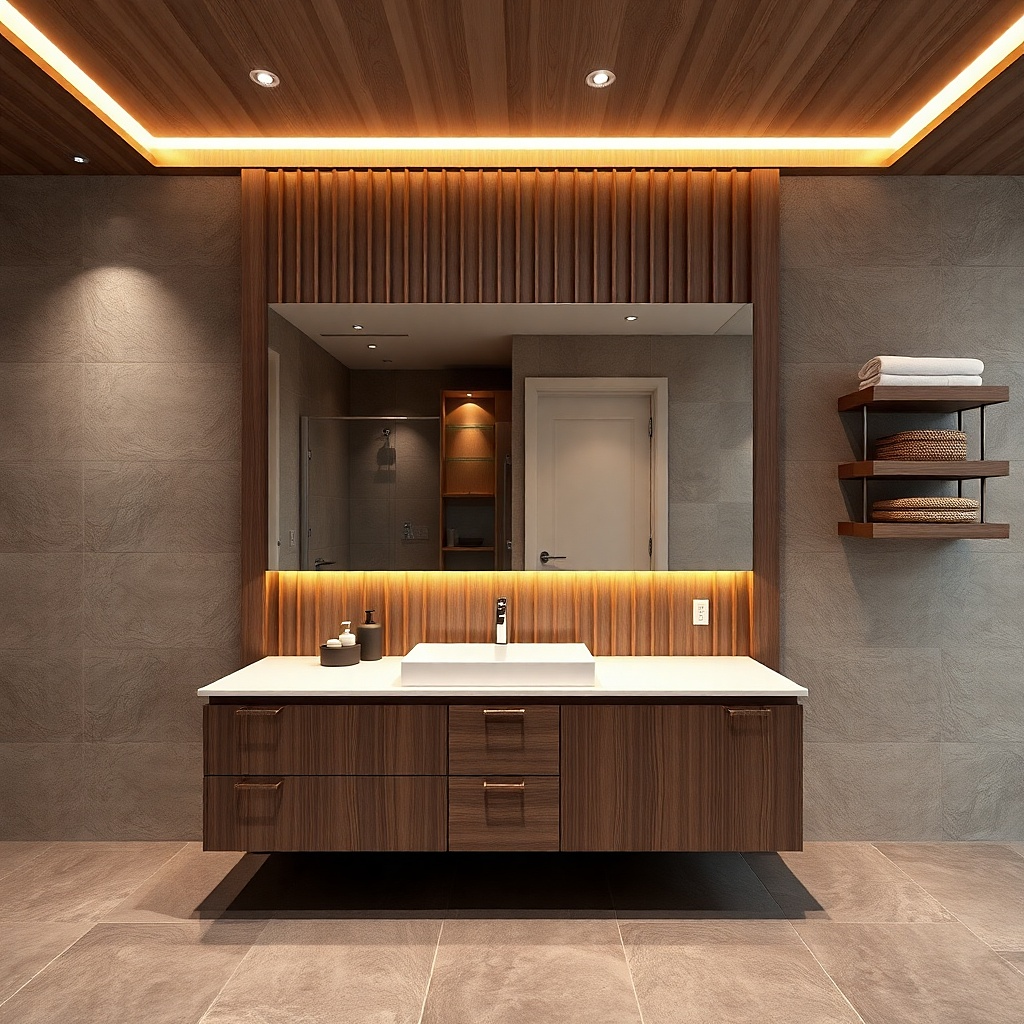
Vinyl-wrapped doors with a sealed finish are a practical low-maintenance option because they resist moisture better than many veneers, and they handle splashes without swelling. A dark wood-look hides tiny scuffs and water streaks better than light finishes, which is helpful in a high-traffic bathroom. The integrated backsplash matters because it gives you a wipeable vertical surface behind the faucet instead of exposed wall seams. Keep the countertop simple and smooth so daily cleaning stays fast.
Choose a vinyl-wrapped vanity with sealed edges and hardware that mounts cleanly without rough gaps. Then pick a countertop height and thickness that supports a backsplash panel; aim for a backsplash height around 4-6 inches above the counter. Finally, install and seal around the backsplash perimeter so water can’t creep behind it, then wipe the cabinet face with a damp cloth weekly.
Use a small caddy on the sink edge so bottles don’t get bumped into the backsplash seam.
Avoid a vanity that relies on exposed particleboard at the sides; it swells when seals fail.
7. Concrete-look resin countertop with matte cabinet doors
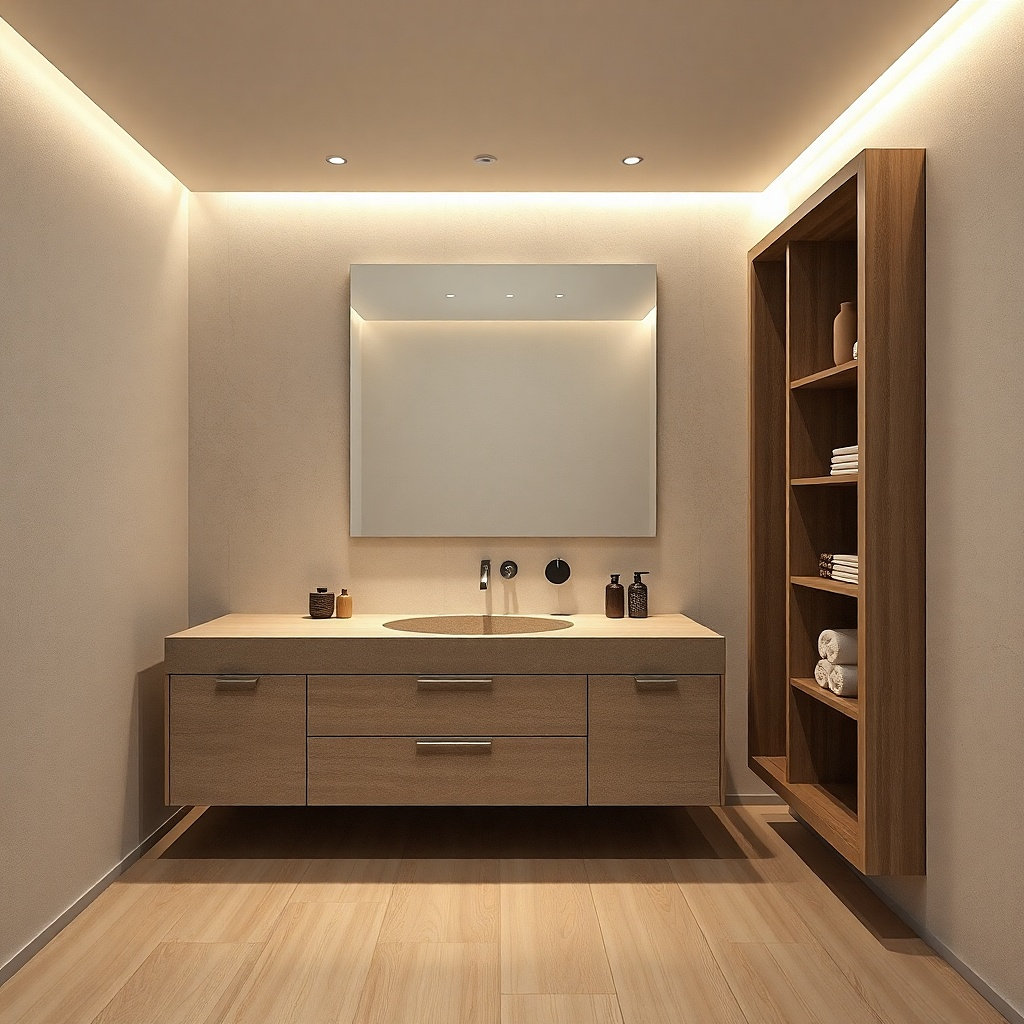
Concrete-look surfaces can be trouble if they’re porous, but resin-based countertops that are sealed and made for bathrooms are easier to maintain. The matte cabinet doors keep fingerprints from looking obvious, and they reduce the need for constant spot-cleaning. This combo works well for people who want a modern look without turning cleaning into a hobby. The key is choosing a countertop that resists staining from soap and toothpaste — the resin finish should wipe clean without re-sealing.
Pick a resin countertop labeled for bathroom use and verify it has a sealed, wipeable finish. Then choose matte cabinet doors in a neutral shade like greige, warm gray, or deep taupe to hide small marks. Finally, install a backsplash or wall splash guard and keep the caulk line continuous behind the faucet so water doesn’t soak into drywall paint.
Use a non-abrasive cleaner and avoid scouring pads; resin finishes can dull if you grind them.
Don’t pick a countertop that needs periodic sealing if you want low maintenance.
8. All-drawer vanity in medium gray with sealed interior dividers
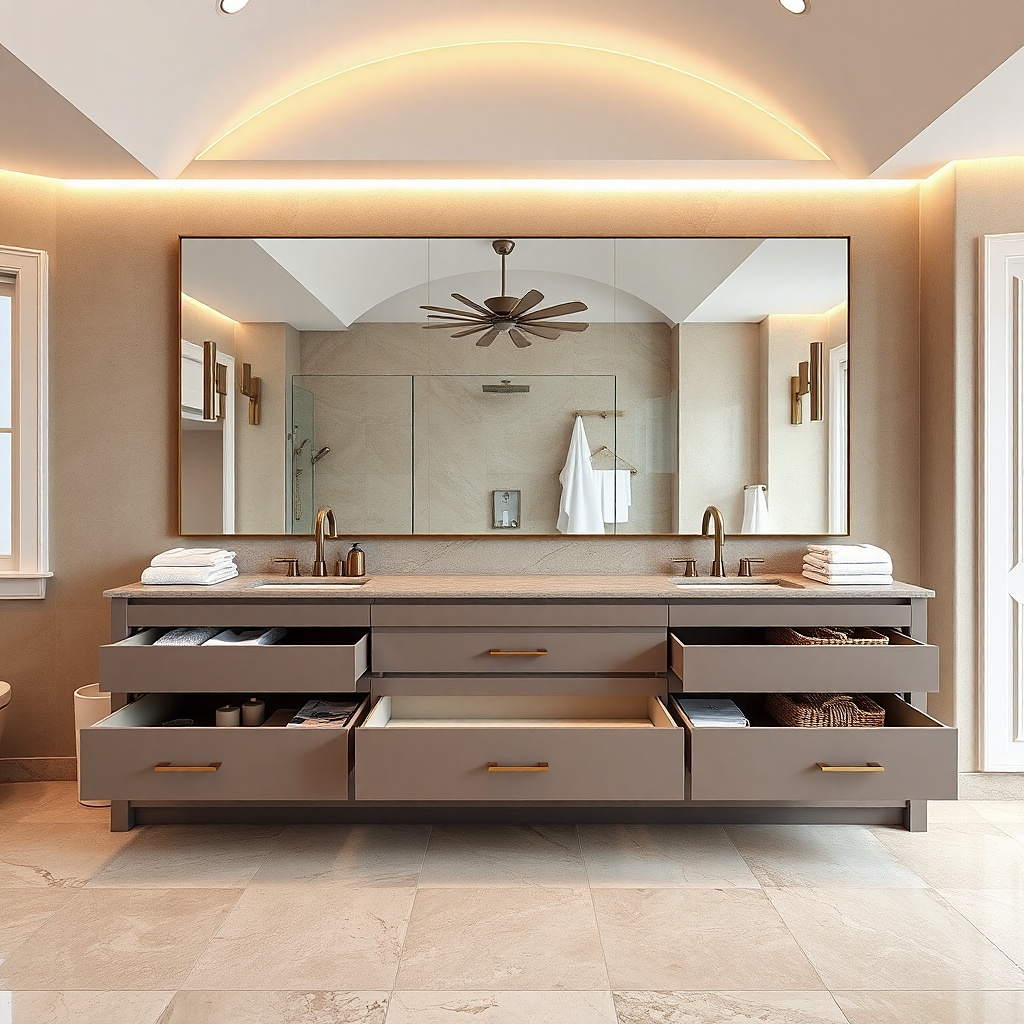
All-drawer vanities reduce the daily mess problem because doors don’t swing open and leave items sitting on the counter. When the interior has sealed dividers, you can wipe spills instead of hunting for hard-to-reach corners. Medium gray also hides minor water spots better than bright white. This layout is ideal for households that share the sink and need a place for every toothbrush, razor, and hair tool.
Choose a vanity with full-extension drawers and sealed interiors, then decide on divider spacing before install so the drawers fit your bottles and tools. Measure your tallest items and plan for vertical storage; leave about 1 inch of clearance above the tallest bottle so it doesn’t jam the drawer. Finally, set up one drawer for daily items and one for backups, and keep counter items to a single tray.
Try thisAdd felt or silicone drawer liners that are wipeable, not fuzzy — fuzzy liners trap water and smell.
Common mistakeAvoid mixed door-and-drawer layouts if your goal is fast cleanup; they encourage countertop stacking.
9. Compact 24-inch vanity with quartz top and corner-friendly plumbing access
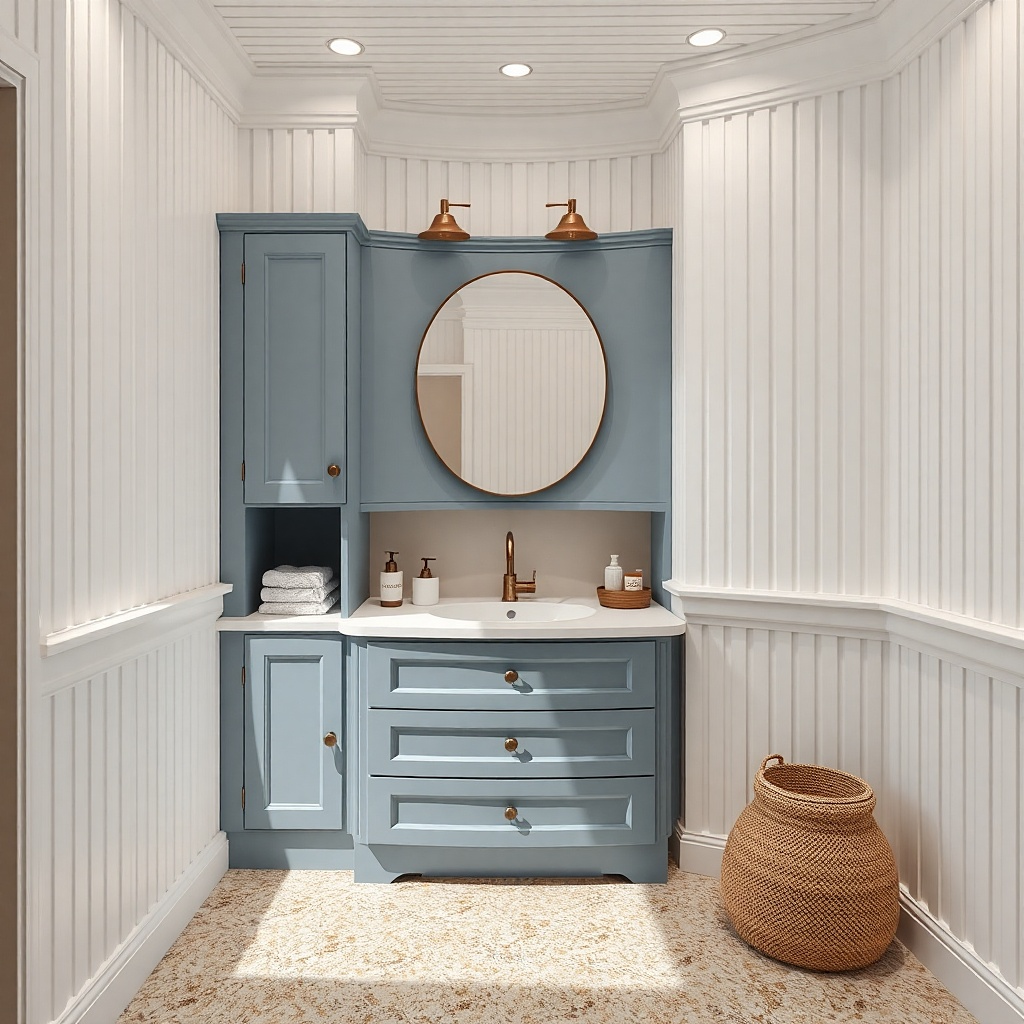
A compact 24-inch vanity keeps the sink area tight, and a quartz top gives you easy wipe-downs without stain worry. Look for designs where the cabinet opening gives reasonable access to the P-trap so a clog doesn’t become a weekend project. This idea is for powder rooms or bathrooms with limited counter space where you want the vanity to do the cleaning work, not you.
Choose a 24-inch vanity with a quartz countertop and confirm the faucet and drain placement matches your plumbing rough-in. Then plan storage realistically: use a shallow top drawer or a single wide drawer for daily items, and keep a small bin under the sink only for cleaning supplies. Finally, install with enough clearance behind the vanity so you can reach the shutoff valves without removing the unit.
Use a slim, wipeable organizer tray on the counter so water splashes don’t hit the cabinet face.
Avoid deep vanities in tight rooms; you’ll hate cleaning the back edge of the countertop.
10. Light-absorbing matte black hardware and sealed white shaker doors
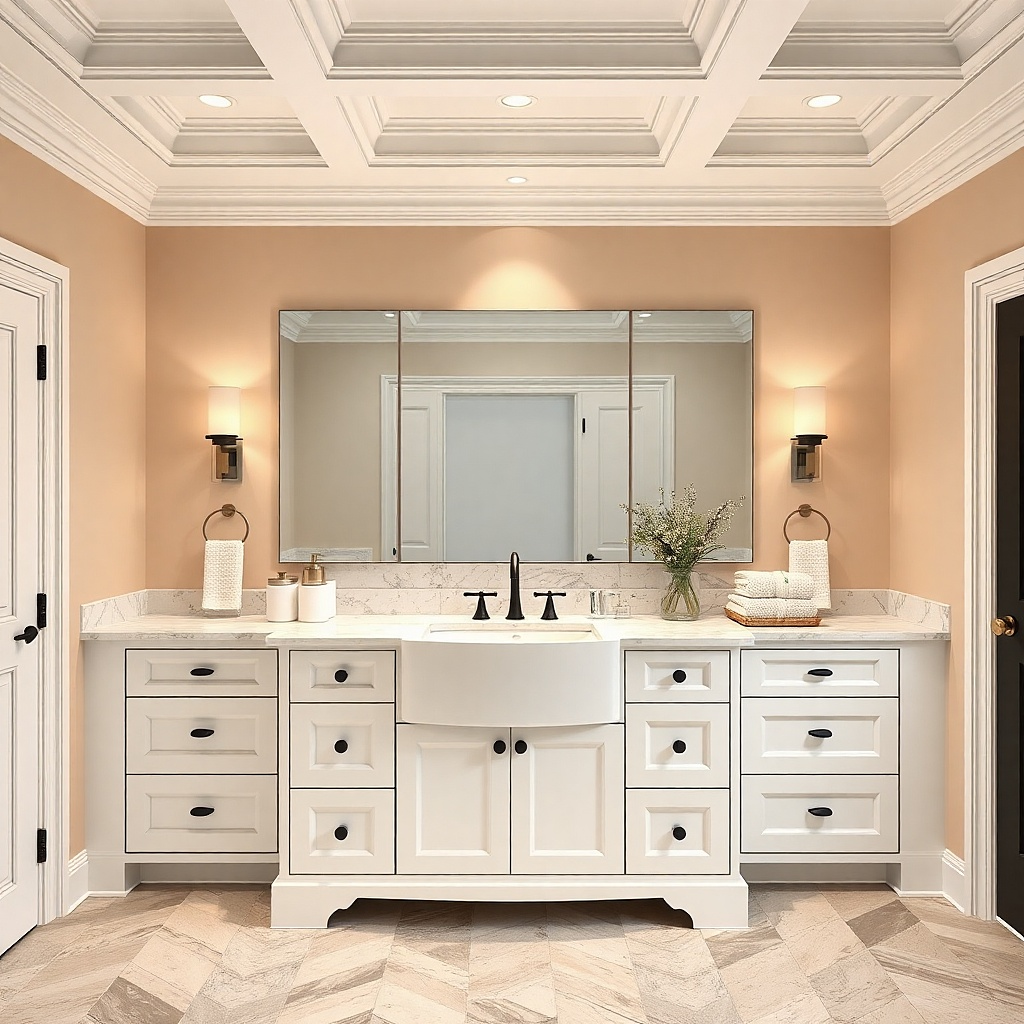
Hardware is where people lose the low-maintenance battle. Matte black pulls and knobs hide minor dust and water marks better than shiny chrome, and they wipe clean with fewer streaks. Pair that with sealed white shaker doors and a countertop that resists staining, and you get a look that stays tidy even when the bathroom gets busy. This setup works well for households that clean quickly but don’t want to chase grime around tiny hardware gaps.
Pick a vanity with sealed white painted doors and confirm the finish is rated for bathrooms. Then choose hardware with smooth edges and simple mounting — avoid ornate pulls with deep grooves. Finally, after installation, do a one-time caulk check around the countertop edges and wipe the hardware until it’s free of any residue from manufacturing.
Use a toothbrush only for the screw heads once a month; it keeps the hardware looking new without scrubbing the whole vanity.
Avoid antique-style hardware with lots of crevices if you want a wipe-and-go routine.
11. Stain-resistant laminate countertop with rounded edges and a vessel sink guard
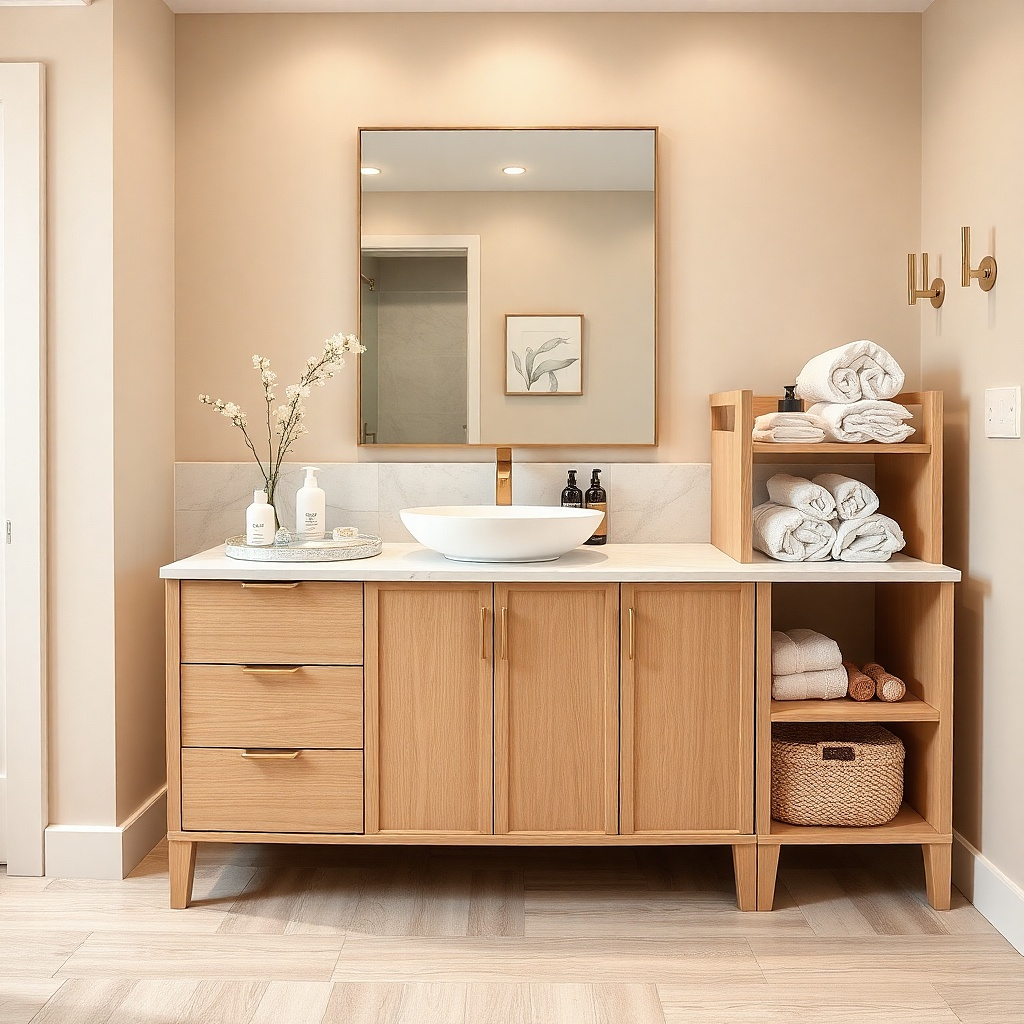
Vessel sinks can look great, but they’re messy if water splashes onto the cabinet top. The low-maintenance approach is a stain-resistant laminate countertop with rounded edges plus a splash guard accessory that limits spray. Rounded edges also make wiping easier because cloth slides over them instead of catching on corners. If you want vessel-sink style without the constant wipe-down, this is the path.
Choose a laminate countertop rated for bathrooms and pick a stain-resistant topcoat in a mid-tone (warm gray or taupe) so soap stains don’t show as easily. Then select a vessel sink with a splash guard or a sink that sits deep enough to reduce water landing on the counter. Finally, install the vanity with a clean caulk line around the sink and keep a small towel in reach for quick drying after shaving or brushing.
Try thisRinse the vessel rim after toothpaste use; that one step prevents crusting around the sink edge.
Common mistakeAvoid flat, open vessel-sink setups without a splash guard; they create countertop rings.
12. White oak-look sealed vanity with removable front panel for plumbing access
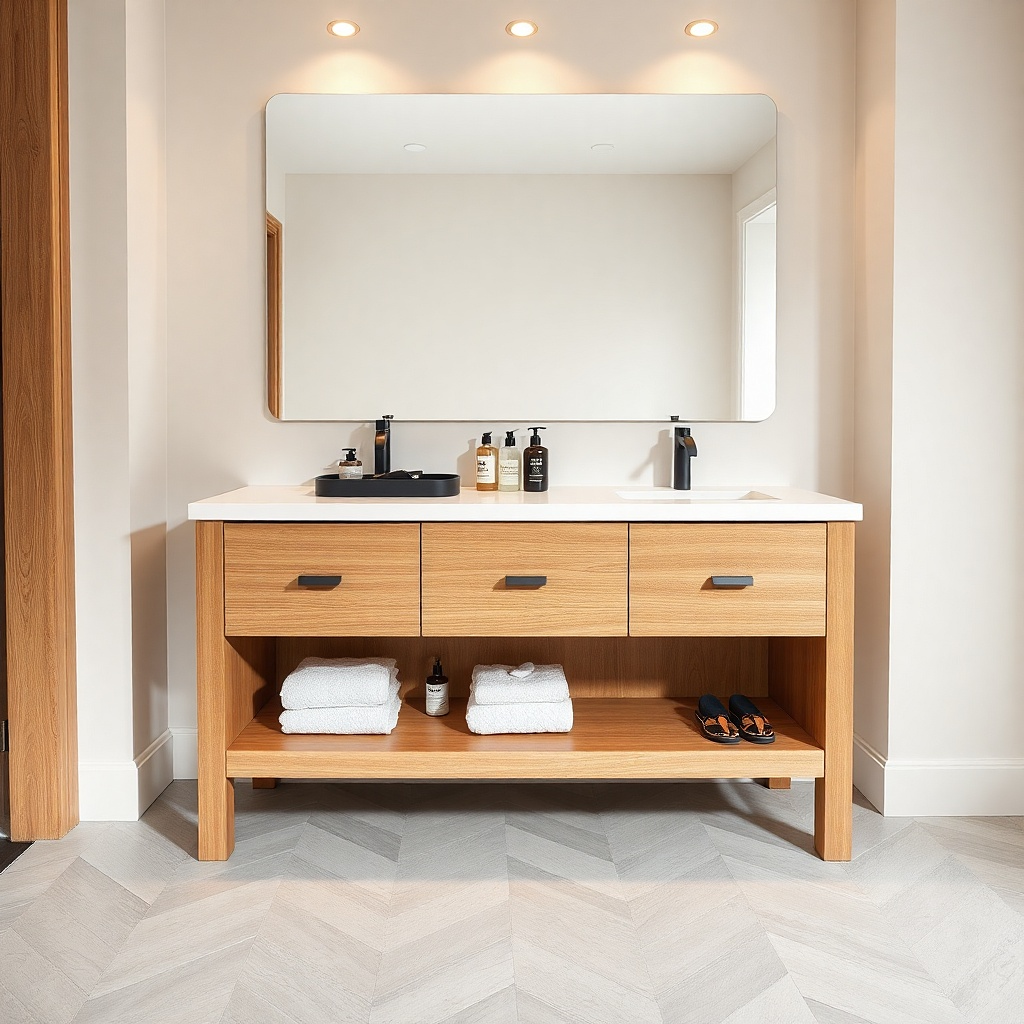
A vanity is only low-maintenance if you can reach the mess when something goes wrong. A sealed oak-look finish resists moisture better than untreated wood, and the removable front panel gives direct access to the plumbing without removing the entire vanity top. This matters because clogs and leaks don’t happen on a schedule, and fighting a complicated cabinet layout makes cleanup slower. The removable panel also makes it easier to wipe the underside and prevent mildew smells.
Choose a vanity with sealed oak-look surfaces and a cabinet design that has an access panel — check for magnetic catches or screws that you can remove quickly. Then install so the panel aligns with the plumbing area; take a moment to test the panel fit before you finish the wall. Finally, keep a small spill tray or absorbent mat inside the cabinet so minor leaks don’t soak into the base.
Add a small label on the access panel for the shutoff valve location so nobody guesses during an emergency.
Avoid vanities that block plumbing access behind fixed shelves if you want fast fixes.
13. One-piece solid surface vanity top with built-in backsplash and integrated drain
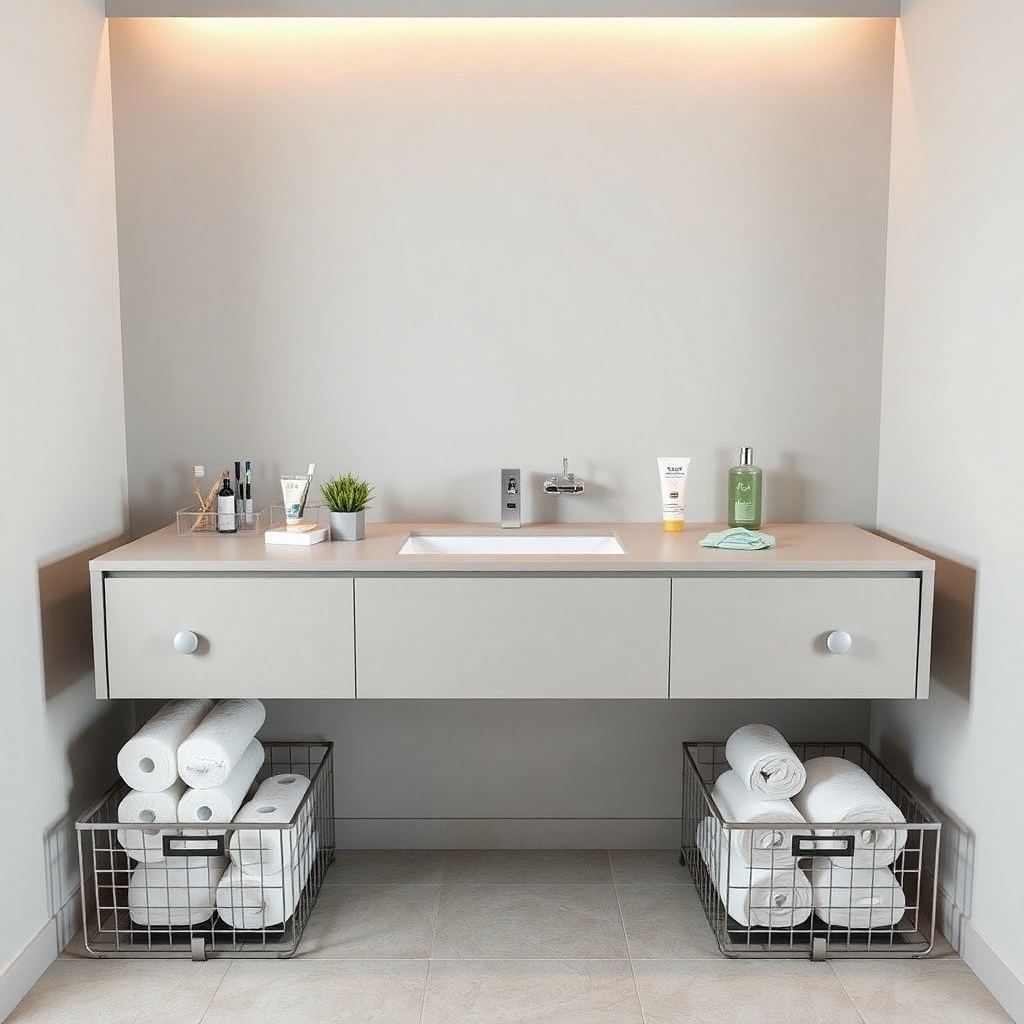
One-piece solid surface tops are the closest thing to a low-maintenance vanity system because there are fewer joints to clean. A built-in backsplash reduces wall splash and eliminates a lot of caulk lines that can discolor. Integrated drain designs also reduce the chance of grime sitting in tiny seams around the drain flange. This is a strong choice for busy households that want the sink area to look clean even when the rest of the bathroom is in motion.
Select a one-piece solid surface top with a built-in backsplash and confirm the drain is integrated or designed to minimize seams. Then order the correct base cabinet size and verify the top overhang matches your desired wipeable surface — aim for about 1 inch of overhang on each side. Finally, during installation, seal the contact points between the base and the top and wipe away excess caulk before it cures so it doesn’t collect dirt.
Try thisUse a squeegee on the countertop after showers; it keeps the solid surface from looking dull.
Common mistakeAvoid multi-piece tops with lots of seams if you’re chasing truly low maintenance.
14. Two-tone vanity: wipeable dark base with light, sealed drawers and a single-color countertop
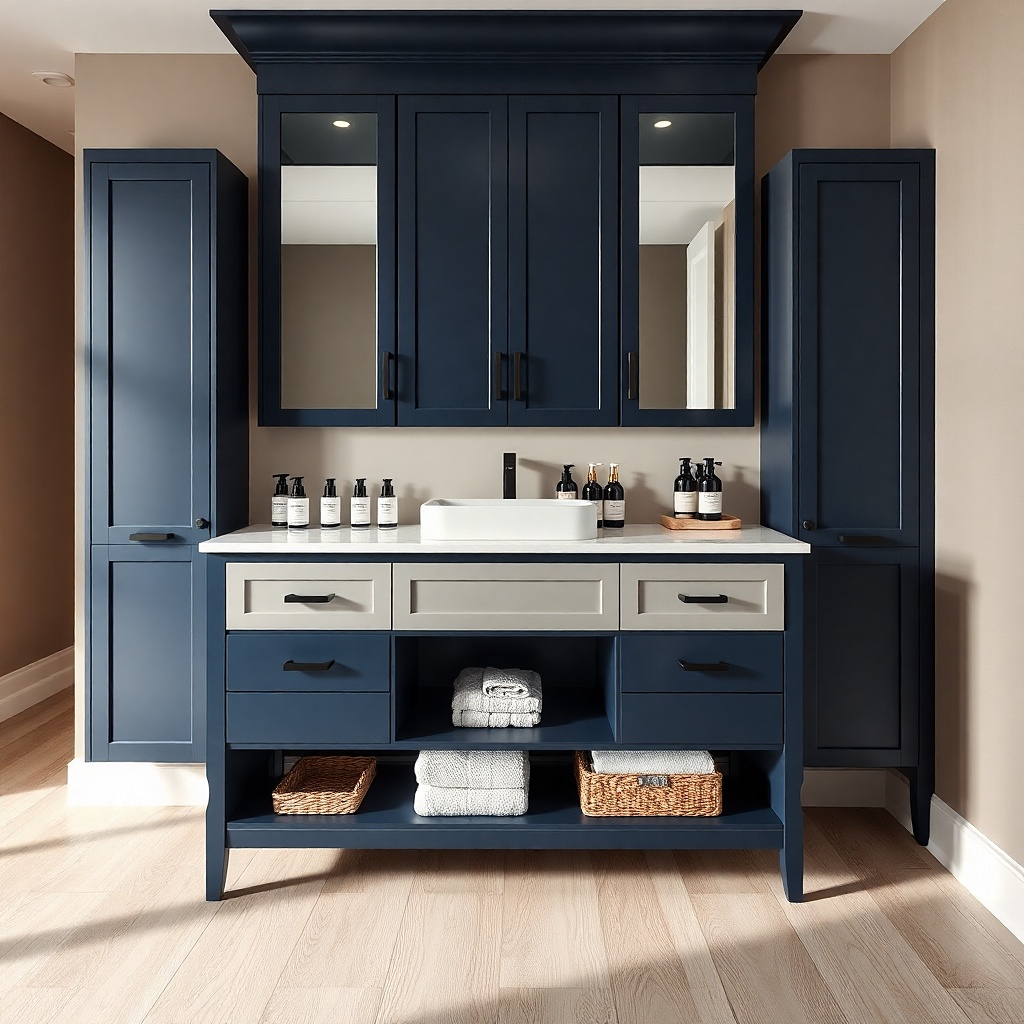
Two-tone vanities can stay low-maintenance when you pick the right surfaces: dark base for hiding scuffs and light sealed drawers for spotting missing items and keeping organization obvious. The countertop should be one color and easy to wipe so you don’t end up cleaning for contrast. This idea works well for families because drawers stay tidy even when the counter gets used heavily. The dark base also hides the occasional water splash that hits the lower cabinet front.
Choose a vanity where only the doors or base are dark and the drawers are a sealed light finish, both rated for bathroom moisture. Then keep the countertop color consistent and pick a material like quartz or sealed solid surface so you don’t have to treat it differently. Finally, install with clean caulk lines and set one tray on the counter that limits daily clutter to two items max — soap and a toothbrush holder.
Try thisUse the same color tray and accessories across both sinks if you have a double vanity; it makes mess look intentional.
Common mistakeDon’t mix too many textures on the cabinet fronts; embossed finishes trap water marks.