1. The too-wide runner that squeezes the walls
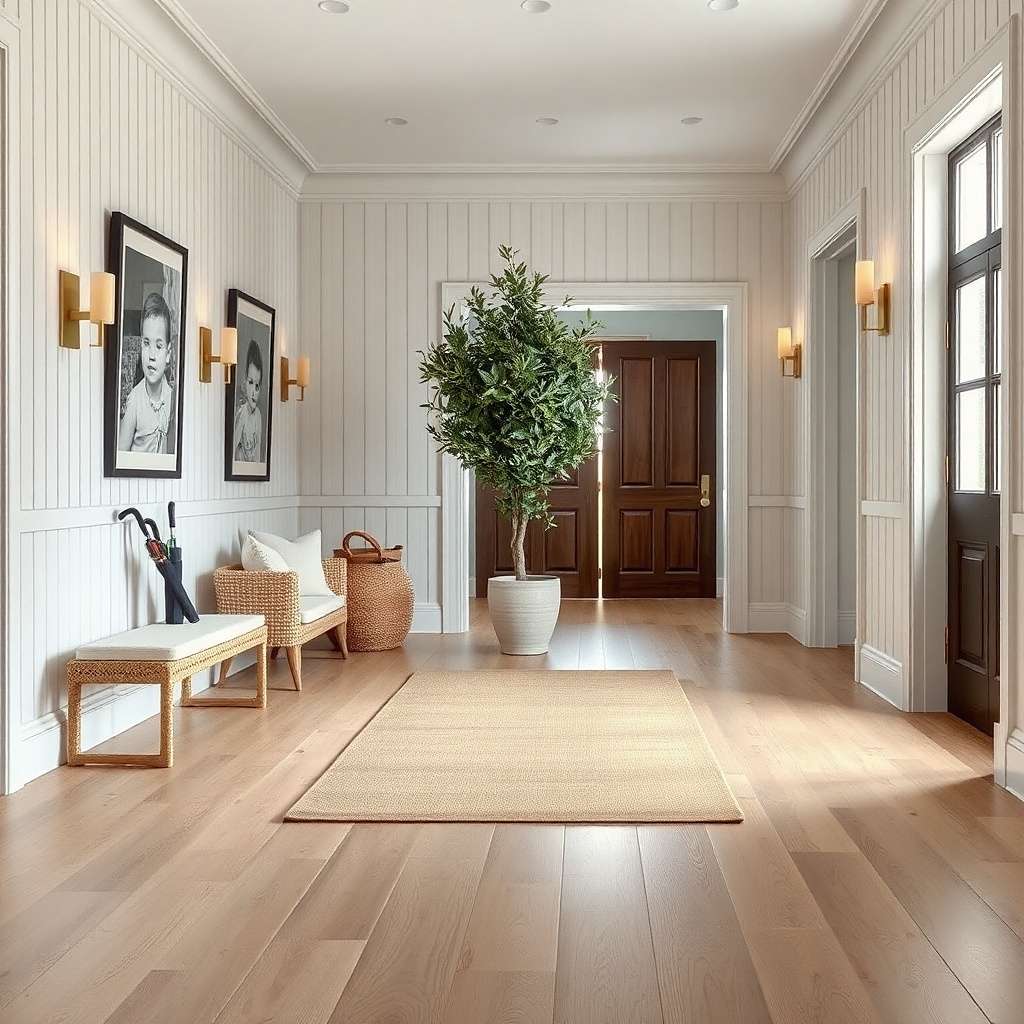
Start by measuring the narrowest point of the hallway, not the widest. Old houses drift, and baseboards steal more width than people expect. Then subtract 8 to 12 inches from that number to find your runner width. If your hall measures 38 inches wall to wall, the smart buy is a 26 inch wide runner, not a 30 inch one. Mark the width with painter’s tape before ordering so you can see the border from standing height.
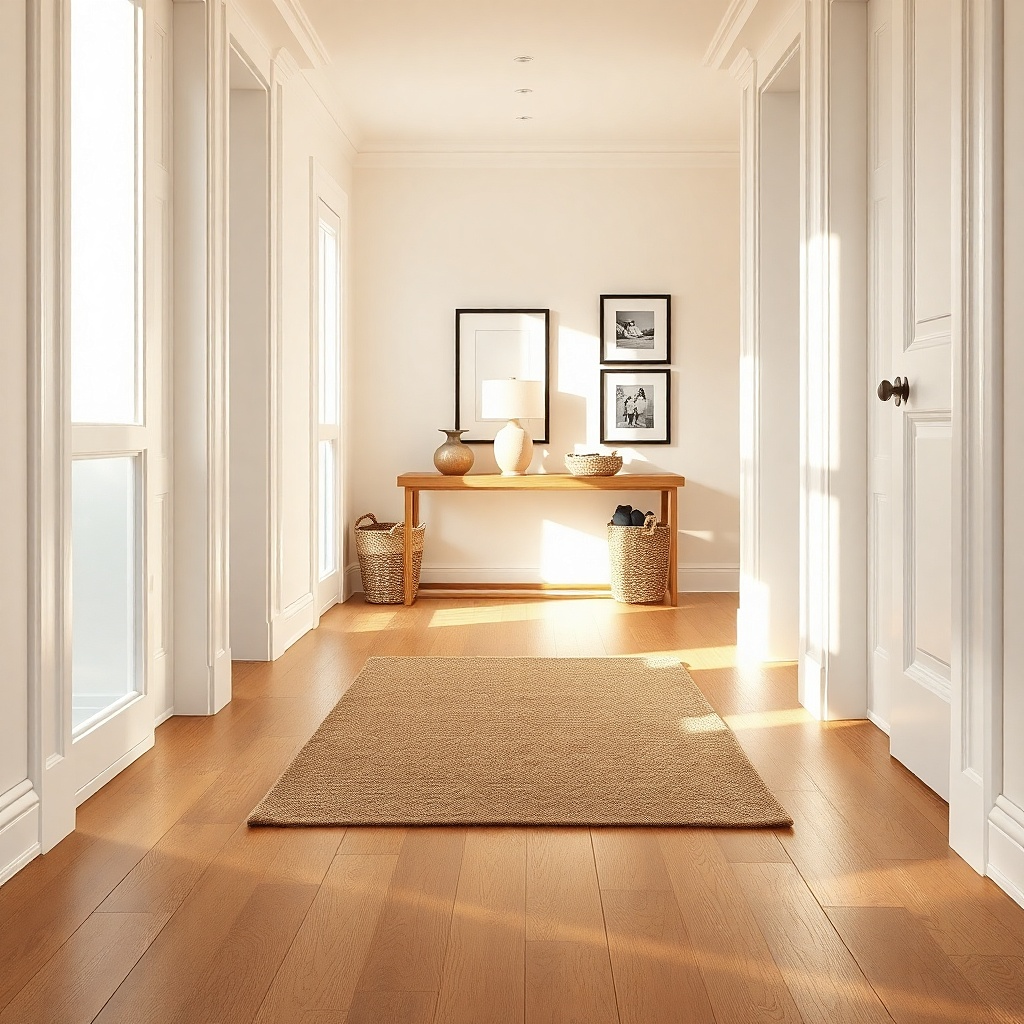
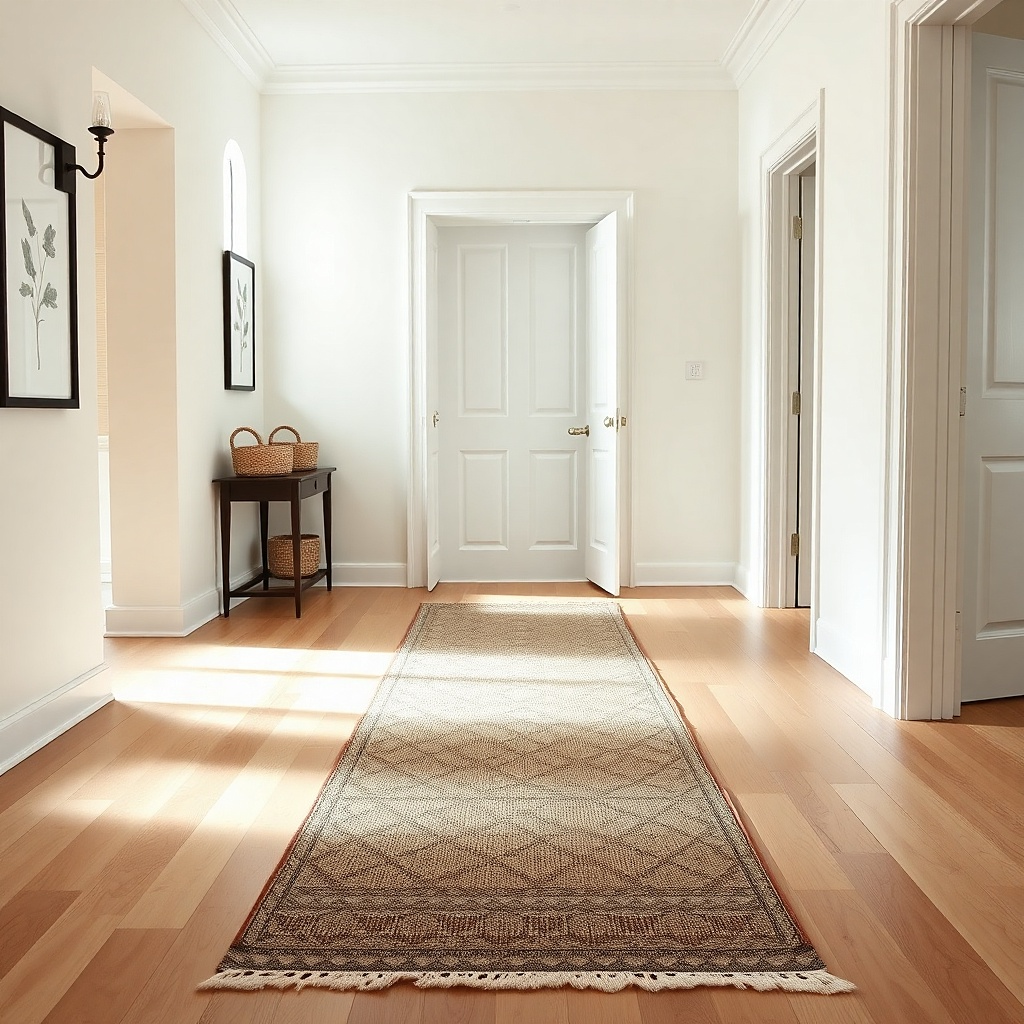
This is the most common sizing miss, and it ruins the look fast. When a runner leaves only an inch or two of floor on each side, the hallway feels tighter and the rug looks stuffed into place. The eye needs a visible border of flooring to read the runner as intentional. In a painted hallway with white baseboards and medium oak floors, that slim strip of exposed wood is what gives the rug its frame. For a clean, photogenic look, keep 4 to 6 inches of floor showing on both sides.
Common mistakeDo not buy a 2’6" runner for a hallway under 34 inches wide.
Try thisIf your hall has dark floors, a slightly lighter runner with a 5 inch border looks crisp and expensive because the floor edge stays visible.
2. The skinny runner that looks lost
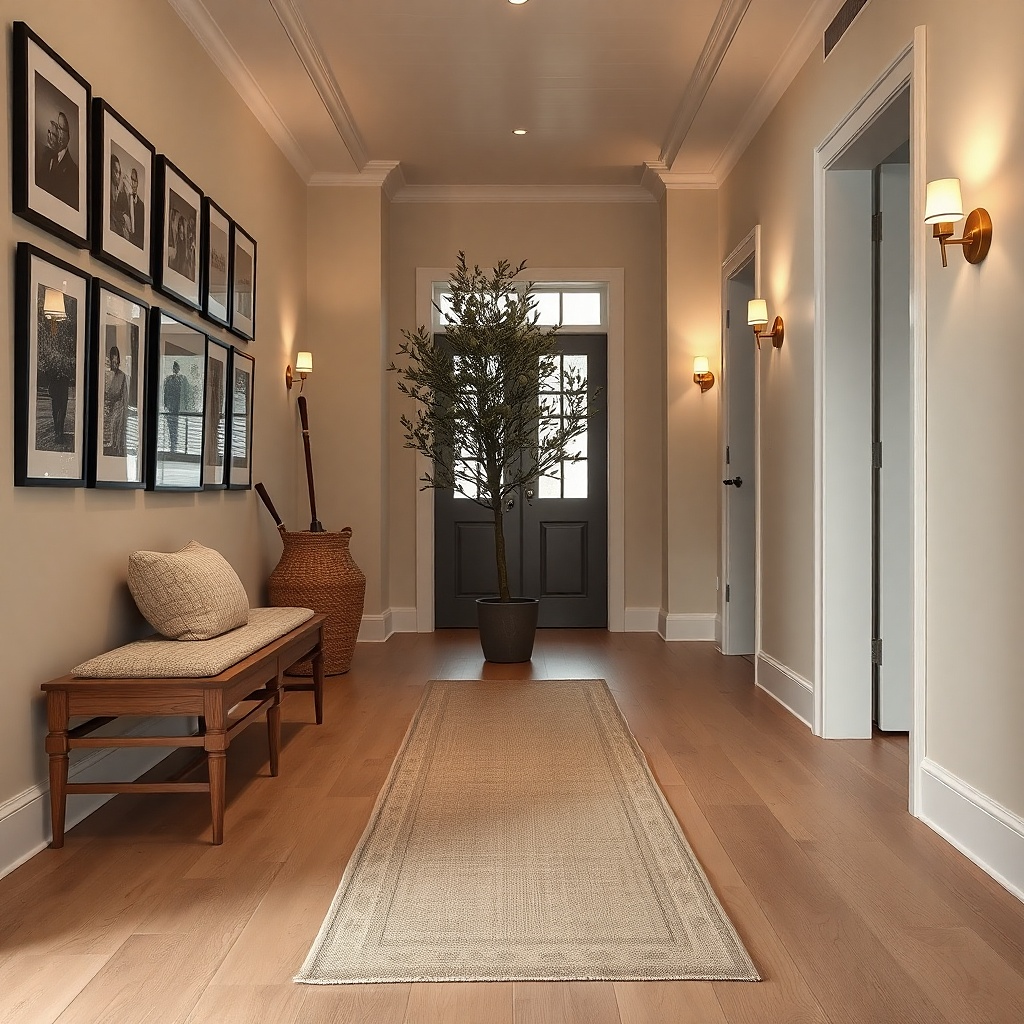
Measure the full hallway width, then test two tape outlines on the floor if the hall is wider than 42 inches. One outline should match a 24 inch runner and the other a 30 or 36 inch runner. Stand in the doorway and compare how much floor remains visible on each side. If each side has more than about 8 inches of bare floor, move up a width. Expect wider runners to cost more, but the visual payoff in a broad hall is worth it.
A runner can also be too narrow, and the result looks cheap in a different way. If there is a huge band of flooring on both sides, the rug stops anchoring the hall and starts looking like a bath mat stretched down the middle. This happens a lot in wider hallways where people buy a standard 2' runner out of habit. In a 44 to 48 inch hall, a 2’6" or 3' wide runner usually looks far better because it has enough presence to hold the center line. The hallway feels dressed instead of half-finished.
Common mistakeSkip extra-narrow runners in hallways wider than 42 inches unless you want the rug to disappear.
Try thisPair a wider runner with a low-profile weave such as flatweave or low loop so the hall still feels open.
3. The runner that stops awkwardly in the middle
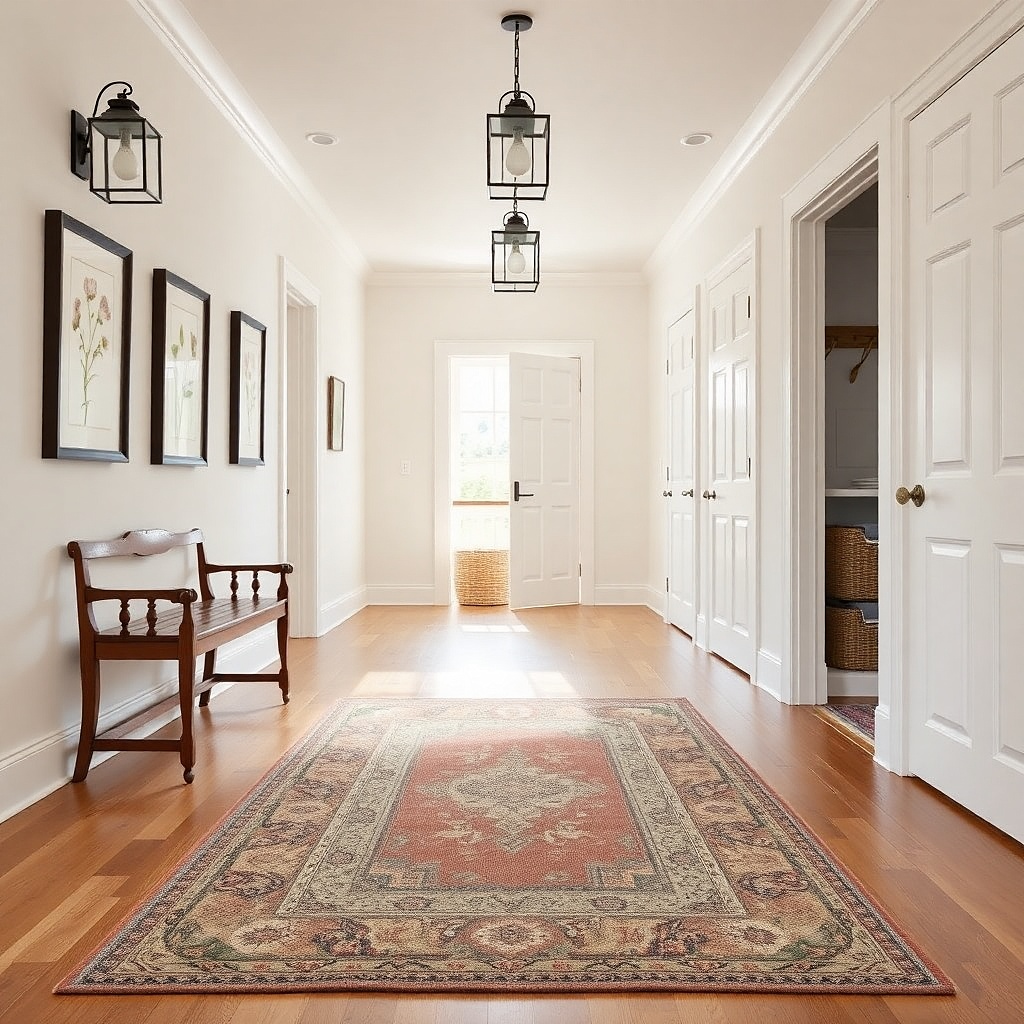
A runner that covers only the middle slice of a long hallway looks accidental. The empty floor at both ends starts to feel like dead space, and the hall loses rhythm. Long halls need a runner that reads as a continuous visual line. That line pulls the eye forward and makes the hallway look calmer and more finished. If the hall is 10 to 12 feet long, a runner around 8 to 10 feet usually lands better than a short 6 footer.
Measure the hall from the inside edge of one threshold to the inside edge of the other. Then subtract 8 to 24 inches total, depending on how much floor you want visible at the ends. In a 12 foot hallway, an 11 foot runner can look great if the doorways are open and the sightline is long, while a 10 foot runner gives you more breathing room. Tape the end points and check them from the connected rooms. If the runner looks stranded in the center, go longer.
In a straight hallway with good natural light, a longer runner makes floorboards look more orderly because the eye follows one clean strip.
Do not default to a 6 foot runner for a hallway over 9 feet long.
4. The end gaps that are too tiny to look intentional
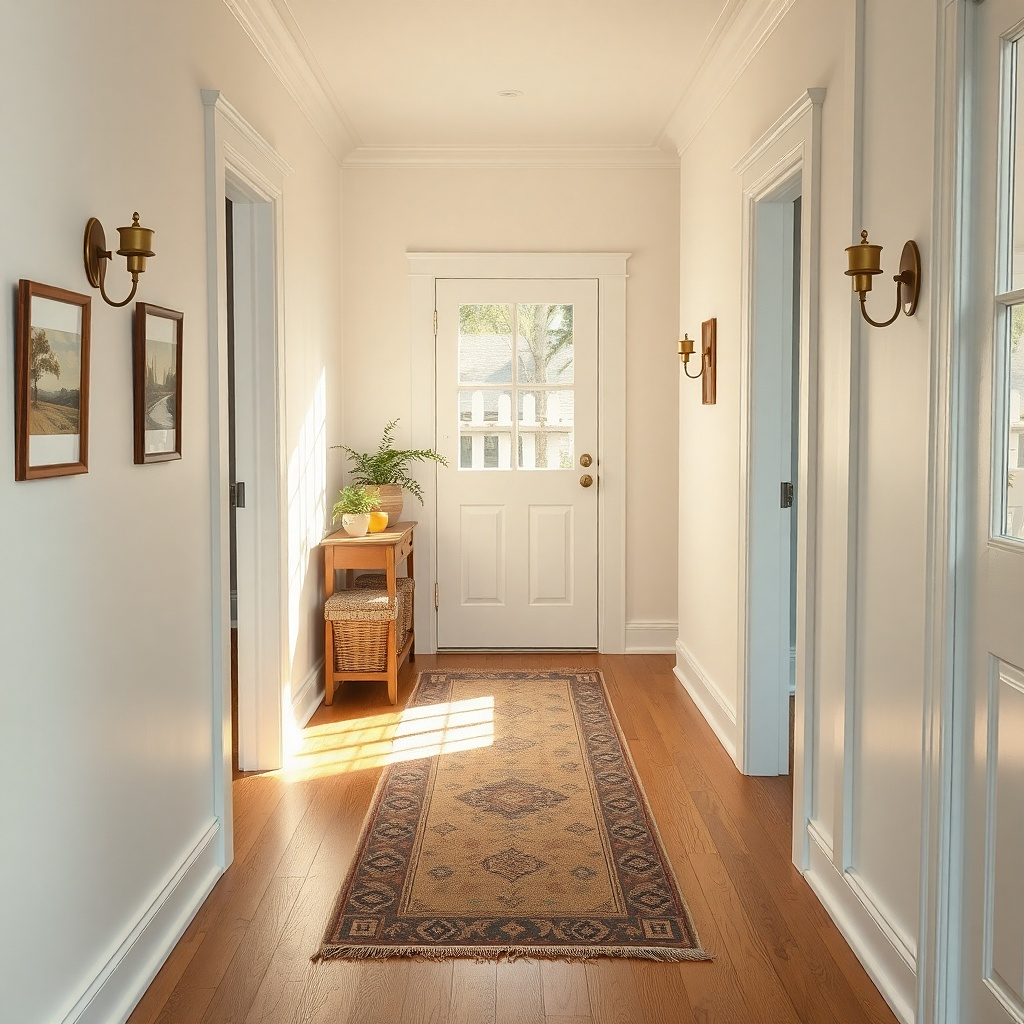
Start at one end of the hall and mark a 4 inch, 6 inch, and 10 inch gap with painter’s tape. Repeat at the other end, then lay out the runner size between those marks. This side-by-side test makes the right spacing obvious fast. In a compact hallway between bedrooms, keep the gaps tighter so the rug still feels substantial. In a front hall or long upstairs corridor, leave more floor for a sharper frame.
Tiny slivers of floor at the ends look like a measuring mistake. When a runner ends 1 or 2 inches from a threshold, the spacing feels cramped and visually noisy. You want enough floor at each end for the runner to read as placed, not wedged in. A gap of 4 to 6 inches works in short halls. In longer halls, 8 to 12 inches looks cleaner.
Common mistakeSkip placements where the runner nearly kisses the threshold or baseboard return.
Try thisMatch the end gap to the side border as a rough guide. A 5 inch side border looks good with about a 5 to 8 inch end gap.
5. The giant end gaps that chop up the hallway
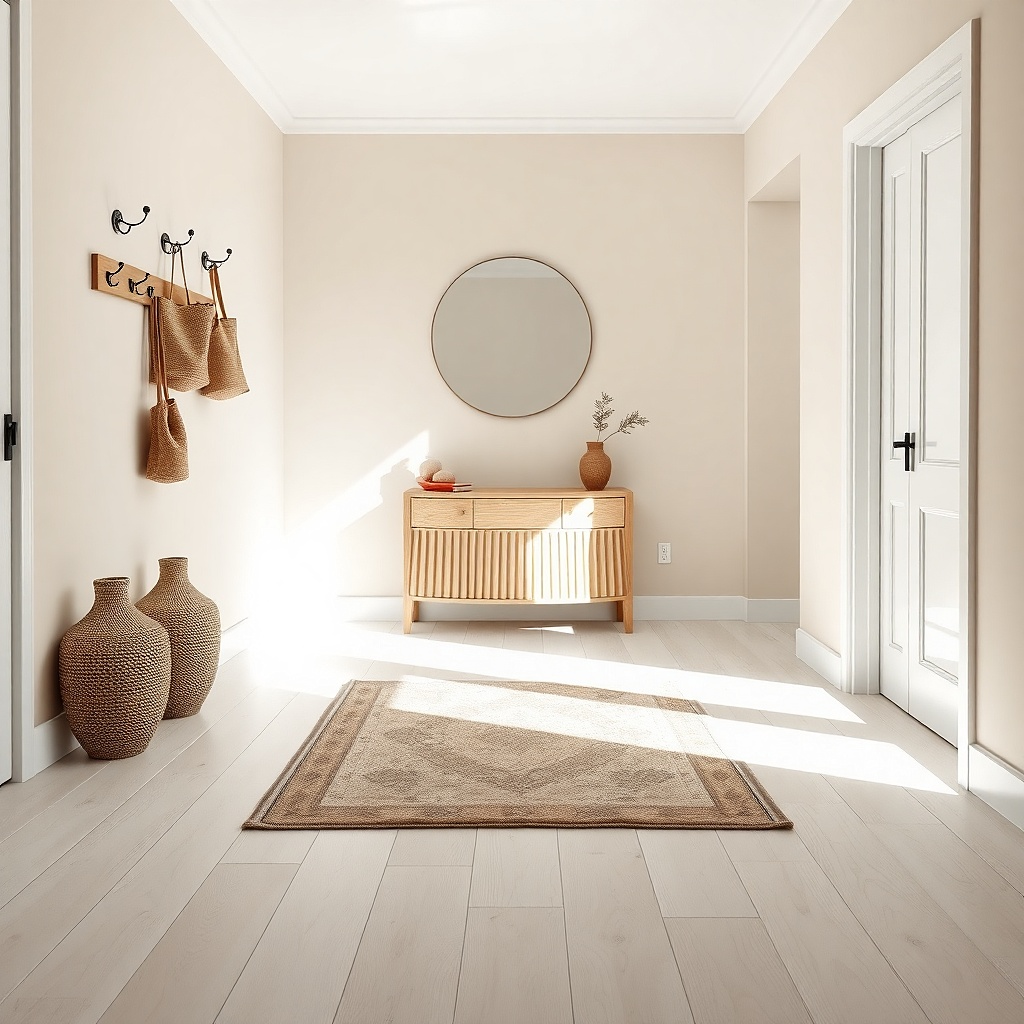
Measure the hallway length, then calculate the percentage the runner covers. If the rug covers much less than about 75 percent of the visible hall floor, it will probably look too short. For an 11 foot hall, that means looking at runners around 8' to 10' long, not 5' or 6'. If standard sizes miss the mark, check carpet stores that bind broadloom into custom runners. Basic binding adds cost, but it solves weird lengths cleanly.
Huge empty patches at the ends break the hallway into awkward pieces. Instead of one clean run, you get rug, blank floor, more rug-adjacent blank floor, then the next room. It looks especially bad in narrow halls because every inch is visible. The fix is simple — use a longer runner or move to a custom cut option if standard lengths leave too much exposed floor. The hall should read as one lane, not three disconnected zones.
Common mistakeDo not center a short decorative runner in a long hall just because the pattern is pretty.
Try thisA custom runner is worth the extra money in hallways with one long uninterrupted sightline because every size mistake shows.
6. The runner that blocks a door swing
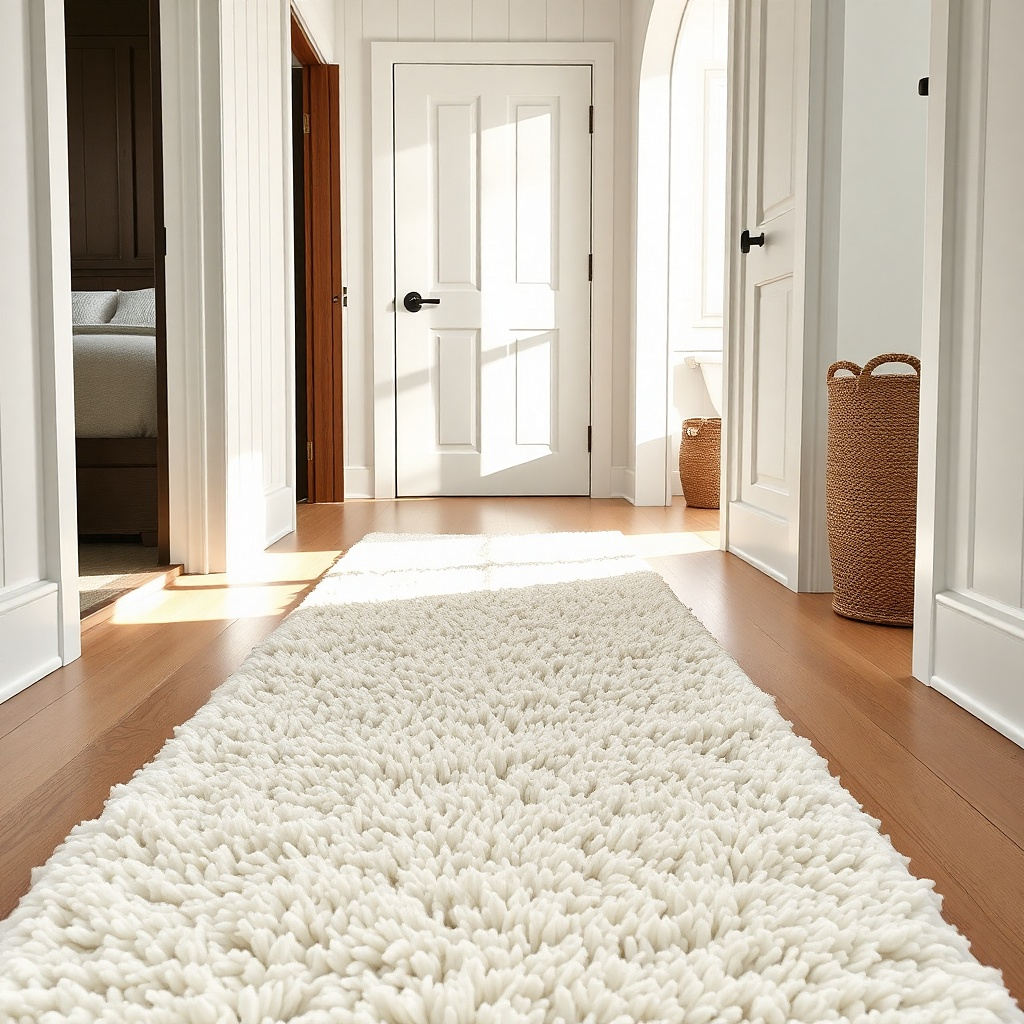
Measure the clearance under every door that opens over the runner path. Use a ruler or stack coins if you need a quick check. Then compare that number to the rug thickness plus rug pad thickness. If the door clearance is 0.5 inch, keep the combined rug and pad under about 0.35 inch so the door swings freely. Thin felt-rubber pads work better here than thick cushion pads.
Size is not only width and length. Pile height matters, especially near bedroom, bathroom, or closet doors that swing into the hall. A plush runner that looks fine on paper can still scrape, bunch, or stop a door short. That creates wear at the edge and makes the whole setup feel poorly planned. In busy hallways, low-pile wool, cotton flatweave, or washable polyester styles under 0.35 inch thick are the safe choice.
Common mistakeSkip high-pile shag or tufted runners in any hallway with inward-swinging doors.
Try thisCheck closet doors too. They are easy to forget, and bifold doors catch rug edges fast.
7. The runner that ignores a radiator vent or floor register
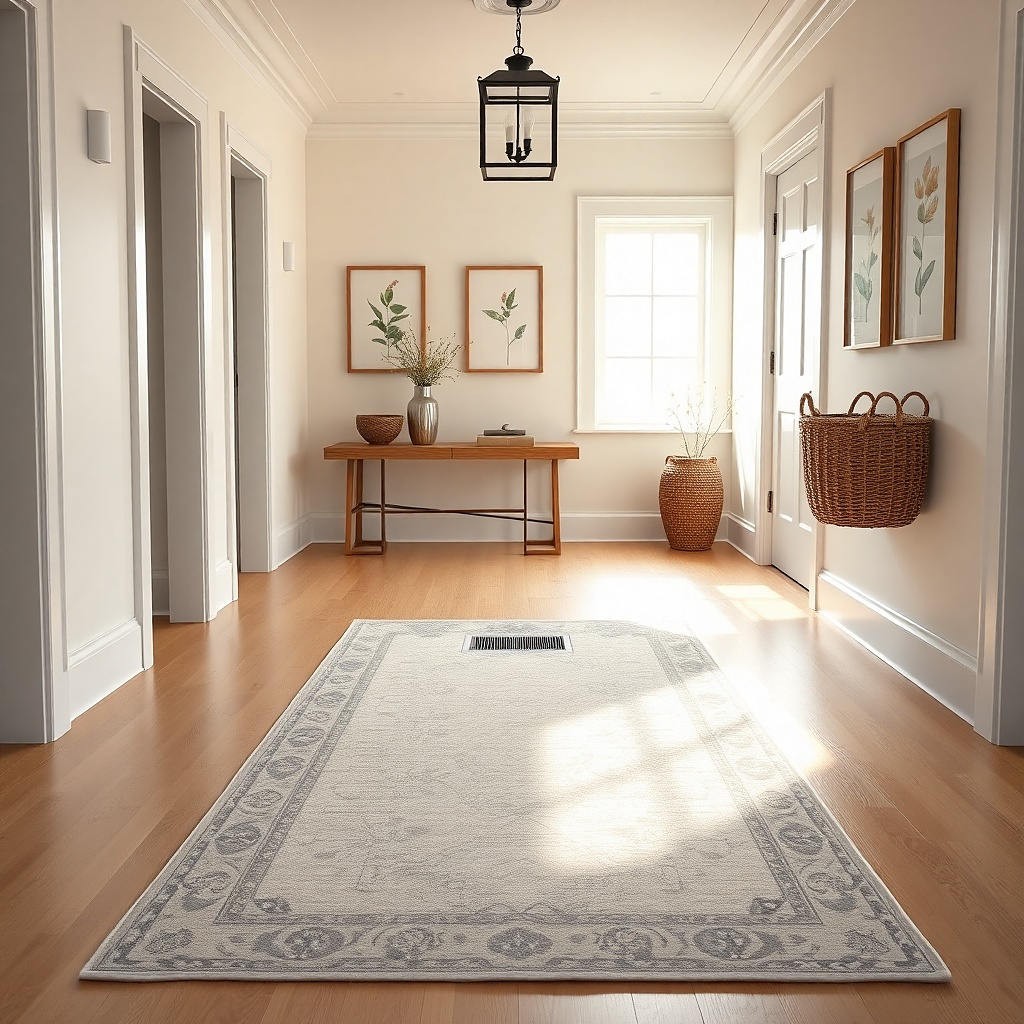
Mark every vent, return, and floor outlet before you settle on runner length. Then tape the rug outline and check whether the vent falls under the rug, partly under it, or just beyond the edge. Aim for one of two clean outcomes — fully clear by at least 2 inches, or fully covered only if the vent is unused and you are using a vent-safe solution elsewhere. Most of the time, clear is better. If one standard length always lands badly, shift to a custom length or choose two separate runners.
A runner that covers a floor register or lands awkwardly against a vent grille looks sloppy and causes practical problems. Airflow drops, the runner shifts, and the pattern line gets broken by a hard metal rectangle. In a hall where every detail is exposed, that kind of interruption stands out. The better move is to size the runner so the vent stays fully clear or sits neatly outside the rug edge. This keeps the floor pattern and the rug border looking deliberate.
Common mistakeDo not let the end of the runner cut across half of a floor vent.
Try thisA striped runner makes vent misalignment more obvious, so be extra strict with placement if the pattern has strong lines.
8. The one-size-fits-all 2x8 assumption
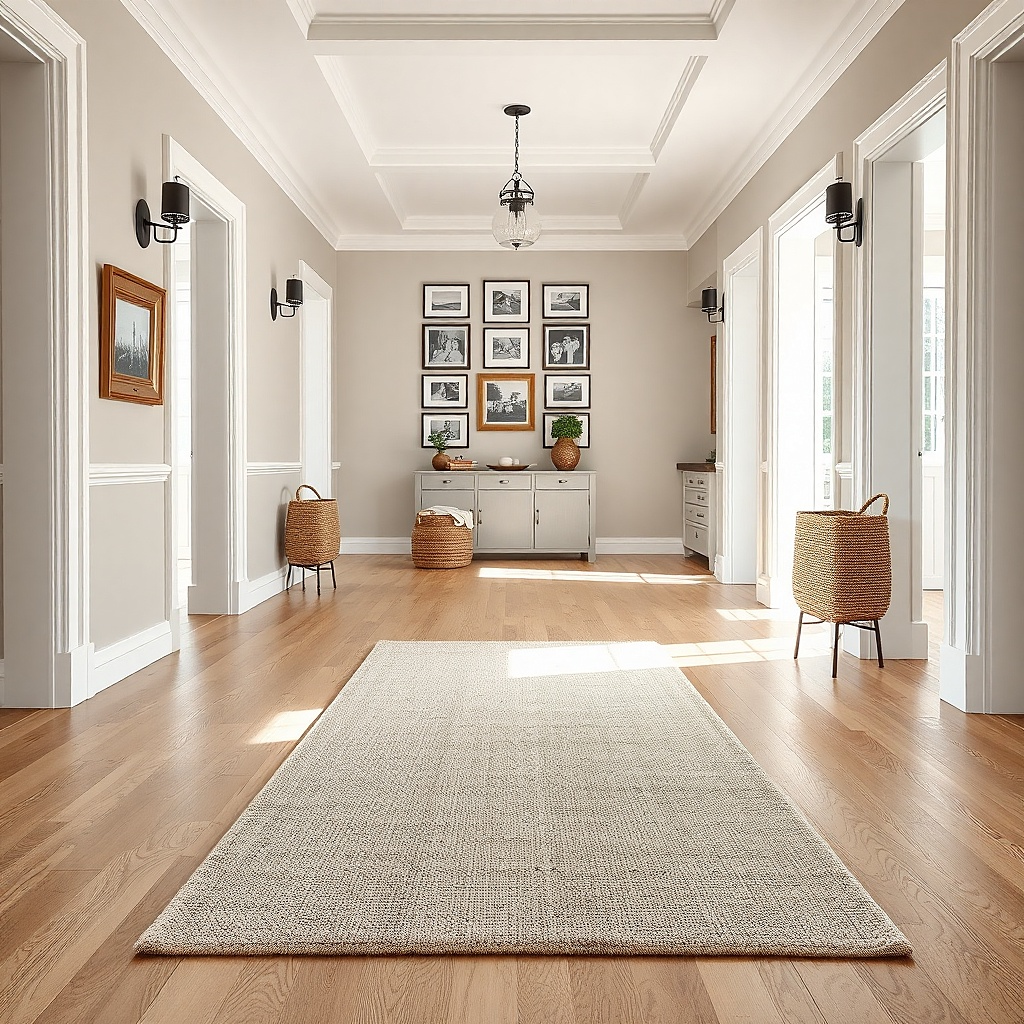
The 2' x 8' runner is popular because stores push it, not because it fits every hallway. In some homes it is perfect. In others it is too narrow, too short, or both. Hallways vary more than people think, especially with thick baseboards, offset doorways, and open ends. Treating 2x8 as the default is one of the fastest ways to buy the wrong rug.
Write down your exact hallway width and visible hallway length before you browse. Then compare those numbers to standard runner sizes — 2x6, 2’6"x8', 2’6"x10', 3x12, and custom lengths. If your hall is 40 inches wide and 13 feet long, a 2x8 will look undersized. A 2’6"x10' or 2’6"x12' will make more sense. Shopping from measurements first cuts out half the bad options.
Save runner sizes in your phone notes before shopping so you do not rely on memory in the store.
Do not buy a 2x8 runner just because it is the most common listing.
9. The off-center placement that makes the hall look crooked
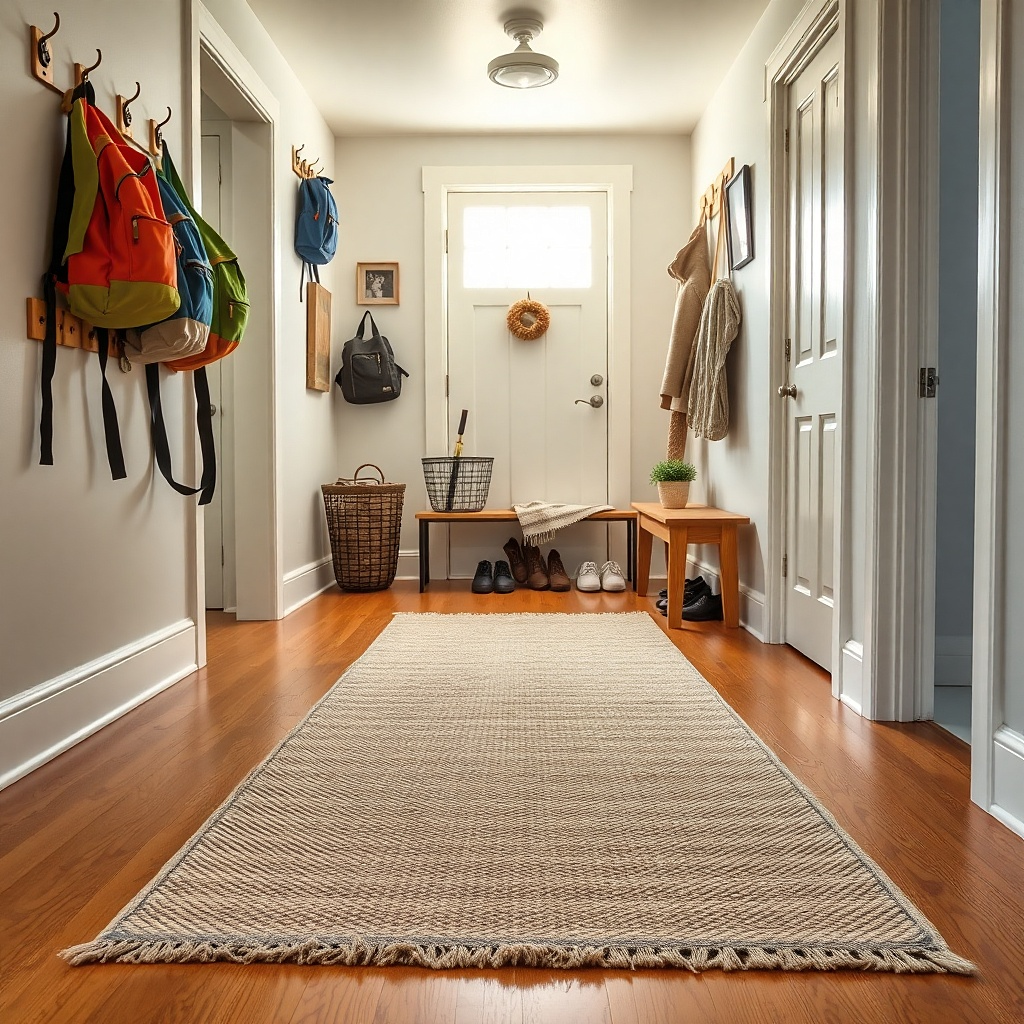
Even a correctly sized runner looks wrong if it is not centered. Hallways exaggerate small errors because the walls run in parallel lines and the eye catches drift immediately. A runner that sits 2 inches closer to one wall reads as crooked from the far end. This matters even more with geometric patterns, borders, or stripes. Symmetry is what makes a hallway runner look expensive.
Measure from each wall to the runner edge at three points — top, middle, and bottom. Do not trust your eyes alone, especially on old floors with uneven boards. Adjust until both side borders match within a quarter inch. Then lock it in with a rug pad cut slightly smaller than the runner on all sides. A non-slip pad keeps the spacing from wandering over time.
If your hallway walls are visibly uneven, center the runner to the sightline from the main approach, not to the wonkiest wall section.
Skip eyeballing the placement and calling it done.
10. The thick border pattern that shrinks the rug visually
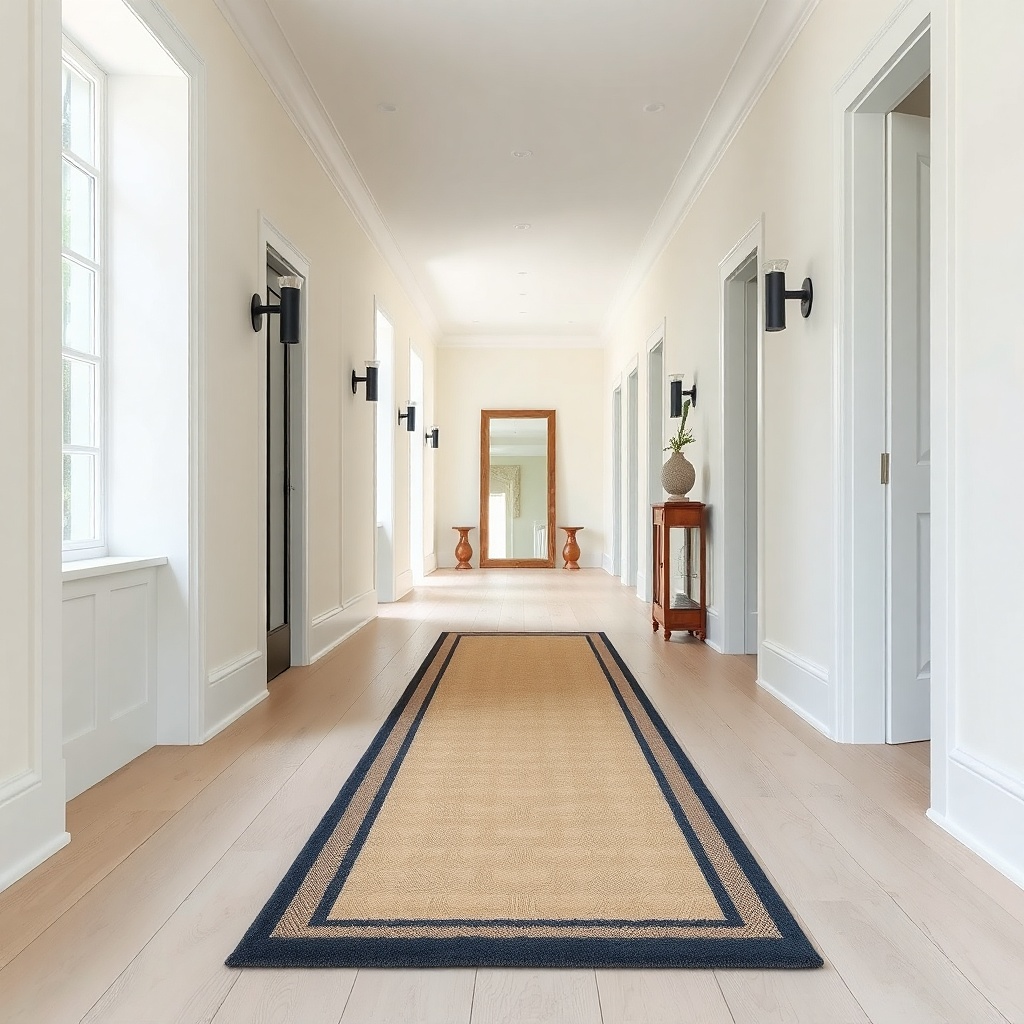
When you compare runner styles, look at the usable center field, not just the listed dimensions. If a 30 inch runner has a 3 inch border on each side, the visual center shrinks to 24 inches. That is a big difference in a small hall. Choose border widths under 1.5 inches if the hallway is narrow. If you want contrast, get it from color and texture rather than a thick frame.
Some runners are technically the right size but still look too small because the pattern steals visual width. A heavy dark border around the edge makes the center field look narrower and shorter, which is the last thing a tight hallway needs. In narrow halls, a runner with an allover pattern or a slim border keeps the rug reading fuller. Soft linear motifs, faded Persian-style fields, and small-scale checks all work well. The hallway looks longer and less boxed in.
Common mistakeDo not pick a runner with a bold, wide border for a hallway that already feels narrow.
Try thisA subtle pattern that runs the full width hides lint and footprints better than a pale solid center panel.
11. The layered pad mistake that changes the fit
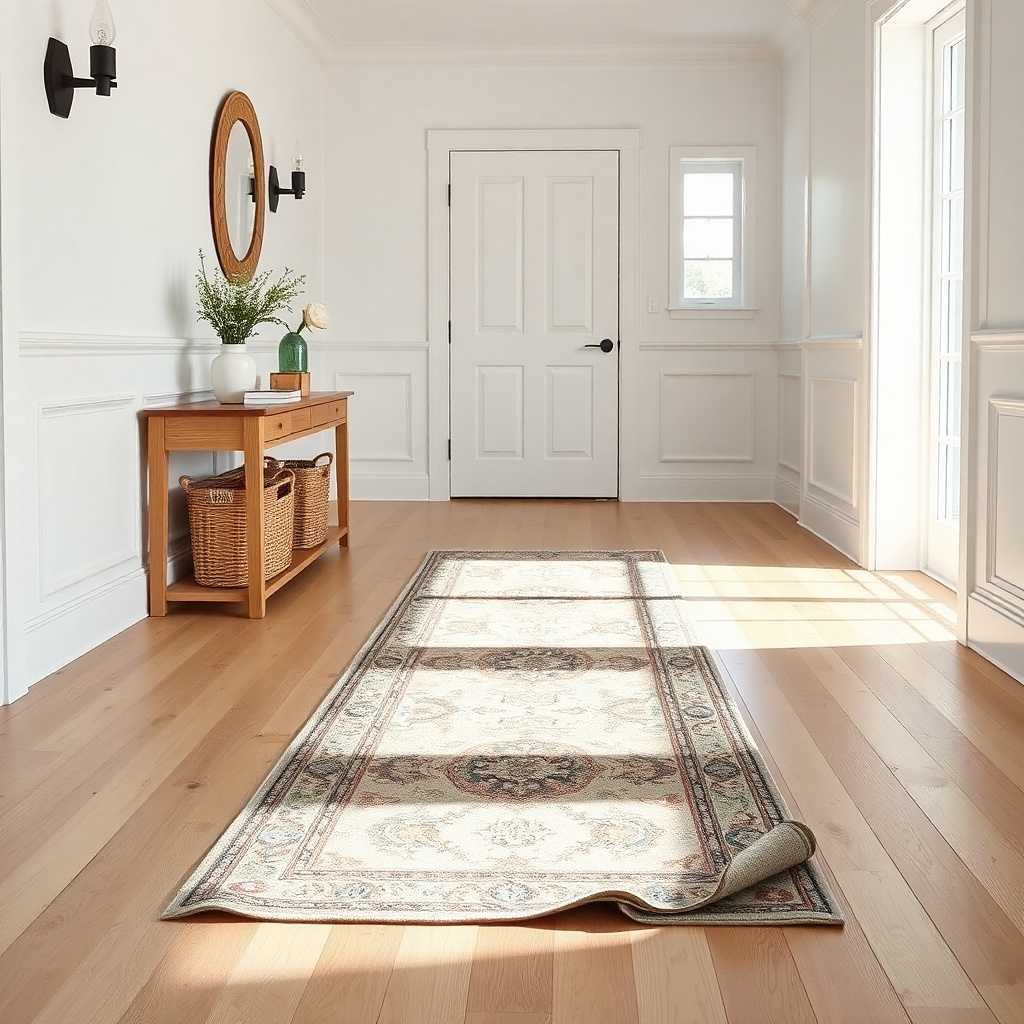
Buy a pad 1 inch smaller than the runner on every side, or trim it yourself with heavy scissors. For a 2’6" x 8' runner, cut the pad to about 28 by 94 inches. Lay the pad first, center it, then place the runner over it and smooth from the middle outward. Use a thin rubber-felt pad for hardwood and a grippy rubber pad for tile. The job takes fifteen minutes.
People measure for the runner and forget the pad, then wonder why the edges lift or the runner creeps toward the wall. A pad that is too large changes the final footprint and makes the rug look poorly fitted. In a hallway, where every edge is visible, that extra half inch matters. The pad should sit fully hidden and stop short of the rug edge. Clean edges are what make the runner look tailored to the space.
Common mistakeDo not let the pad peek out at the ends or sides.
Try thisTape the corners of the pad lightly to the floor if the hallway gets hard daily traffic from kids or pets.
12. The split-hallway mistake where one runner should be two
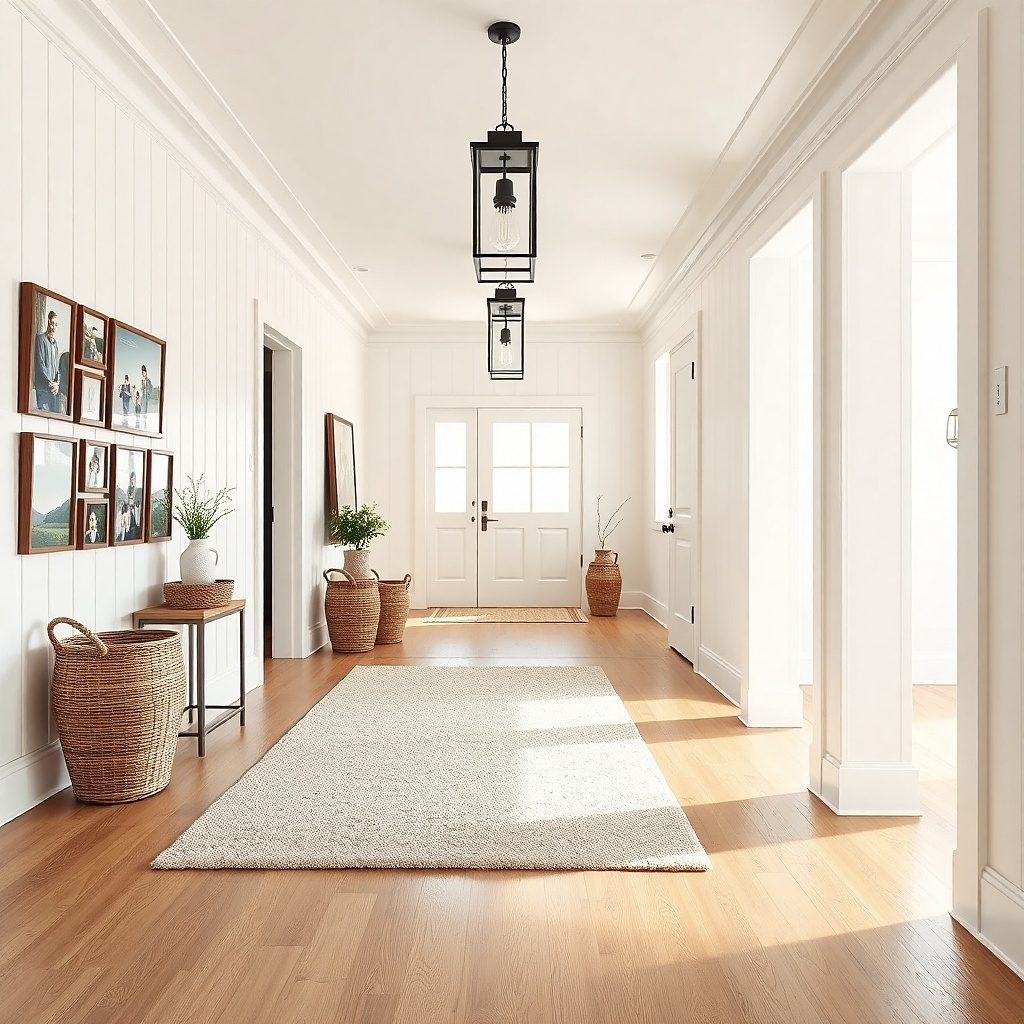
Measure each leg of the hallway separately and leave the same side border on both runs. Then leave a neat gap at the corner, usually 4 to 8 inches, so the rugs do not crowd each other. A common pairing is a 2’6"x8' runner on the long side and a 2’6"x4' or 2’6"x6' runner on the short side. If you want a linked look, buy from the same collection in two lengths. Washable collections make this easy because sizes repeat.
An L-shaped hallway rarely looks right with one standard runner forced into the long leg. The turn creates a visual break, and a single rug can make one section feel ignored. Two coordinated runners usually solve the proportions better — one for the main stretch and one for the shorter branch. This keeps the floor borders consistent and makes the shape of the hall feel planned. Matching color and pile matter more than matching the exact pattern.
Common mistakeDo not force one long runner through an L-shaped hall and leave the side branch bare.
Try thisKeep both runners the same width even if one hall leg is slightly wider. Mixed widths look accidental.
13. The open-entry hallway that needs a visual start point
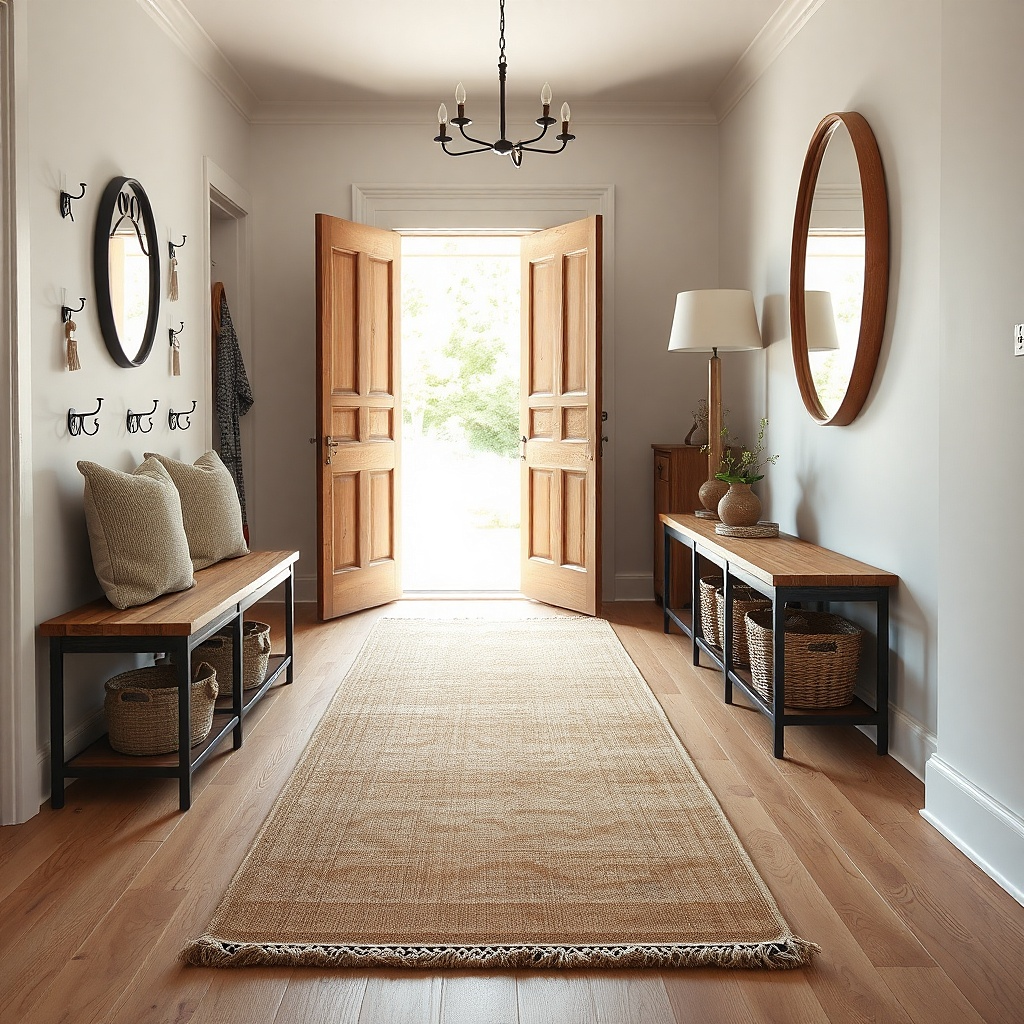
Stand where the foyer or room meets the hallway and identify the visual break point, usually the inside line of a casing, corner, or flooring seam. Start the runner 4 to 8 inches past that line so the hall has a clean beginning. Then size the remaining length from there, keeping the far end balanced with a similar or slightly larger gap. In open layouts, tape this first because perspective changes everything. What looks short on paper often looks just right in person.
A hallway that opens straight off a foyer or living room needs a clear starting line. If the runner begins too far into the hall, the opening feels empty and the hallway loses definition. If it starts right at the room transition, it can look abrupt. The best placement leaves a modest strip of floor — enough to separate zones without creating a dead patch. This is one of the easiest ways to make an open plan feel more polished.
Common mistakeSkip placements where the runner starts a foot or more after the hall opening unless the architecture creates a real break.
Try thisA runner with a defined center pattern works well here because it pulls the eye down the hall from the open room.
14. The washable runner bought too short because shrink fear took over
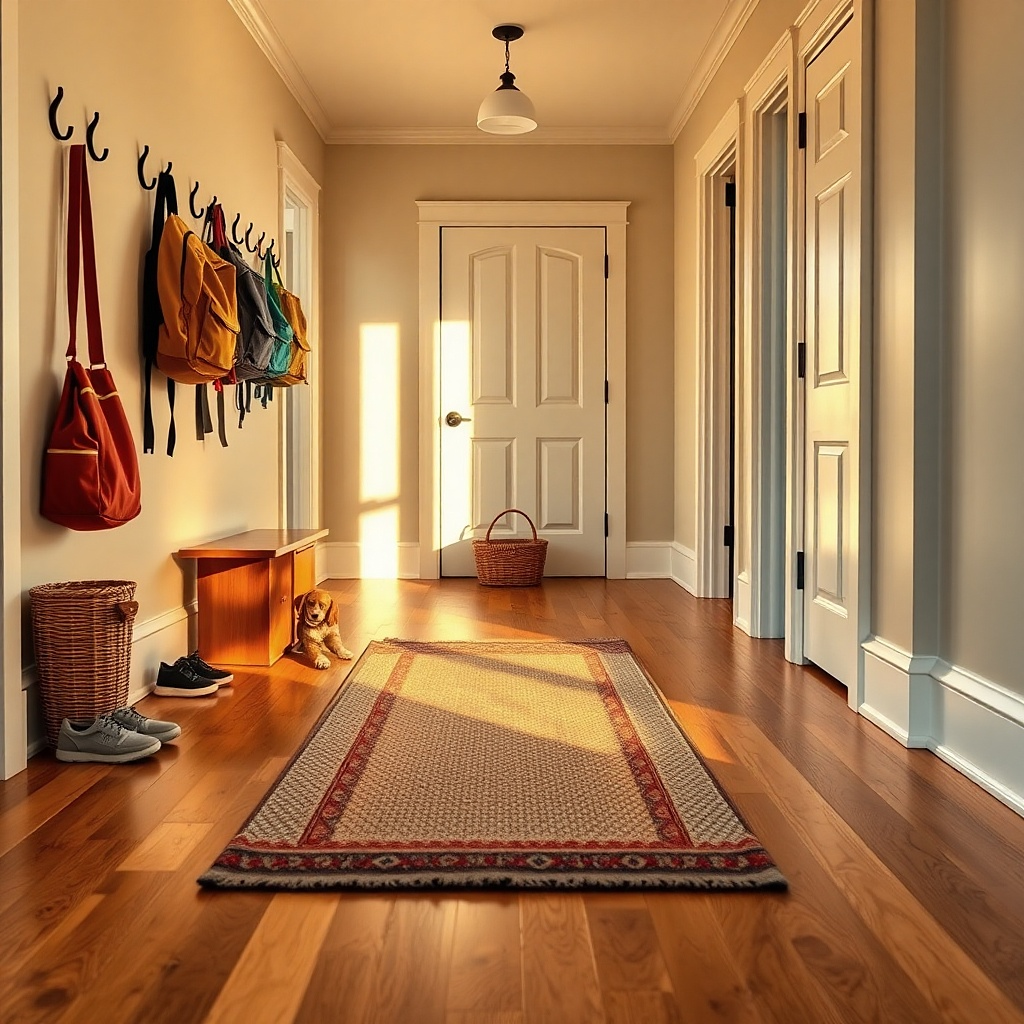
Pick the runner size from your taped floor plan, not from fear of shrinkage. Then check the brand’s care notes for exact washing limits and drying method before you buy. Washable polyester runners from major home brands are built to hold shape far better than old cotton rag rugs. If your hall needs a 2’6"x10', buy that size and use a pad to keep it flat after washing. The pad also reduces edge curl, which is what people often mistake for size trouble.
Washable runners tempt people to size down because they worry about fit after laundering. That caution usually backfires. A too-short washable runner still looks too short every day, which matters more than the small size shifts that come with care. The better move is to choose the right dimensions first, then follow care instructions closely and air-dry flat if the brand allows it. A good-looking hallway should not be compromised by laundry anxiety.
Common mistakeDo not drop down a full size just because the rug is washable.
Try thisChoose a washable runner with a printed pattern rather than a chunky stitched texture if the hallway gets heavy traffic and frequent cleaning.
15. The custom-length opportunity people ignore
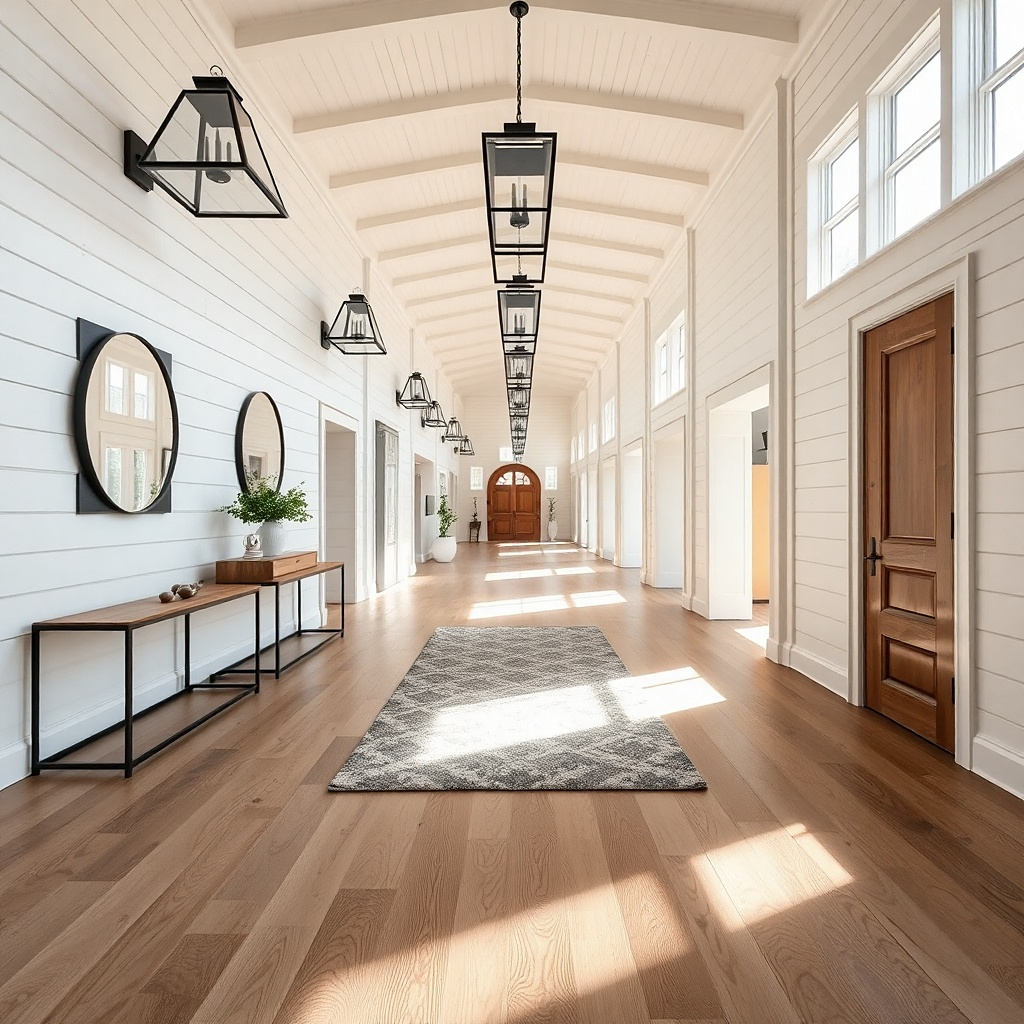
Measure the exact visible floor run and decide your target end gaps first. Then order a bound broadloom runner or a custom-cut synthetic runner to those numbers. Carpet workrooms and flooring stores can bind wool, sisal-look polypropylene, and low-pile nylon into hallway runners in precise lengths. Expect to pay more than off-the-shelf stock, but the fit is exact and the hall looks finished in a way standard sizes rarely match. Ask for a low, tight binding in a matching tone for the cleanest edge.
Some hallways are awkward enough that no standard runner will ever look right. That is when a custom-length runner stops being a luxury and starts being the sensible choice. A hall that is 17 feet long with one uninterrupted sightline will expose every bad proportion. A custom runner lets you keep even side borders, balanced end gaps, and a scale that suits the architecture. The finished look is much calmer than trying to fake it with a too-short standard rug.
Common mistakeDo not keep forcing standard sizes into a hallway with obviously awkward proportions.
Try thisFor busy family halls, a custom polypropylene runner in a heathered taupe or warm charcoal hides dirt better than pale cream wool.